











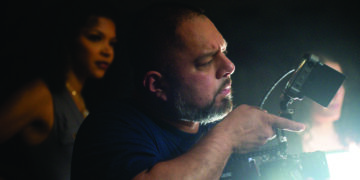



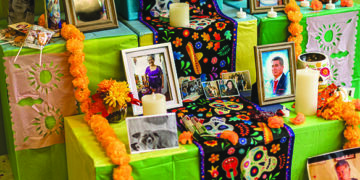





Chain theaters owned by Hollywood show superhero franchises, horror releases, and Oscar bait. What they rarely or never show is Mexican cinema. There’s no regular series, no consistent programming, nothing for the thousands of Mexican and Mexican-American residents in Southwest Detroit who want to see stories that reflect their lives and culture. Last Wednesday’s five-hour program at Mexicantown CDC was what many attendees said was their only chance this year to see contemporary Mexican films on a screen (with people to talk about them afterward) anywhere near the neighborhood or metro Detroit. One afternoon filling a year-long gap.
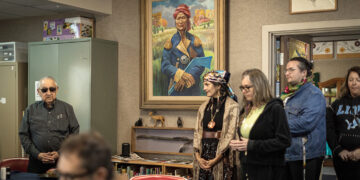
Dr. Reyna Esquivel-King tried to change that. The Wayne State Assistant Professor of History and film historian organized the free October 15 event to bring Mexican cinema out of the university and into the neighborhood. “I wanted to create this community event so that people outside the ivory tower can witness film,” she explained. “We’re not a huge population, but we still are here, and so we should come together to celebrate.”
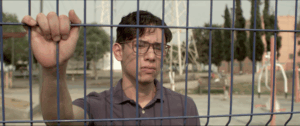
Working with the Consulate of Mexico in Detroit, she programmed films about deportation, disability, Indigenous women’s suffrage, and rural family survival. She chose films that showed different regions, classes, and perspectives from Mexican cinema. The consulate gets films through IMCINE, Mexico’s national film institute. Dr. Esquivel-King led discussions after each screening.
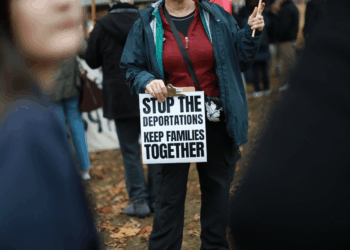
Accidental Expat (2025), director Alan Barr’s feature debut, opened the program with a story about what deportation means for someone who grew up American. “We have undocumented students. I feel this gives them maybe hope. If something does happen, God forbid, don’t let it be the end of you.”
A representative from the Mexican Consulate during the post-film discussion shared, “what we say at the consulate is, ‘You’re going back home. And you don’t have to be afraid.’”
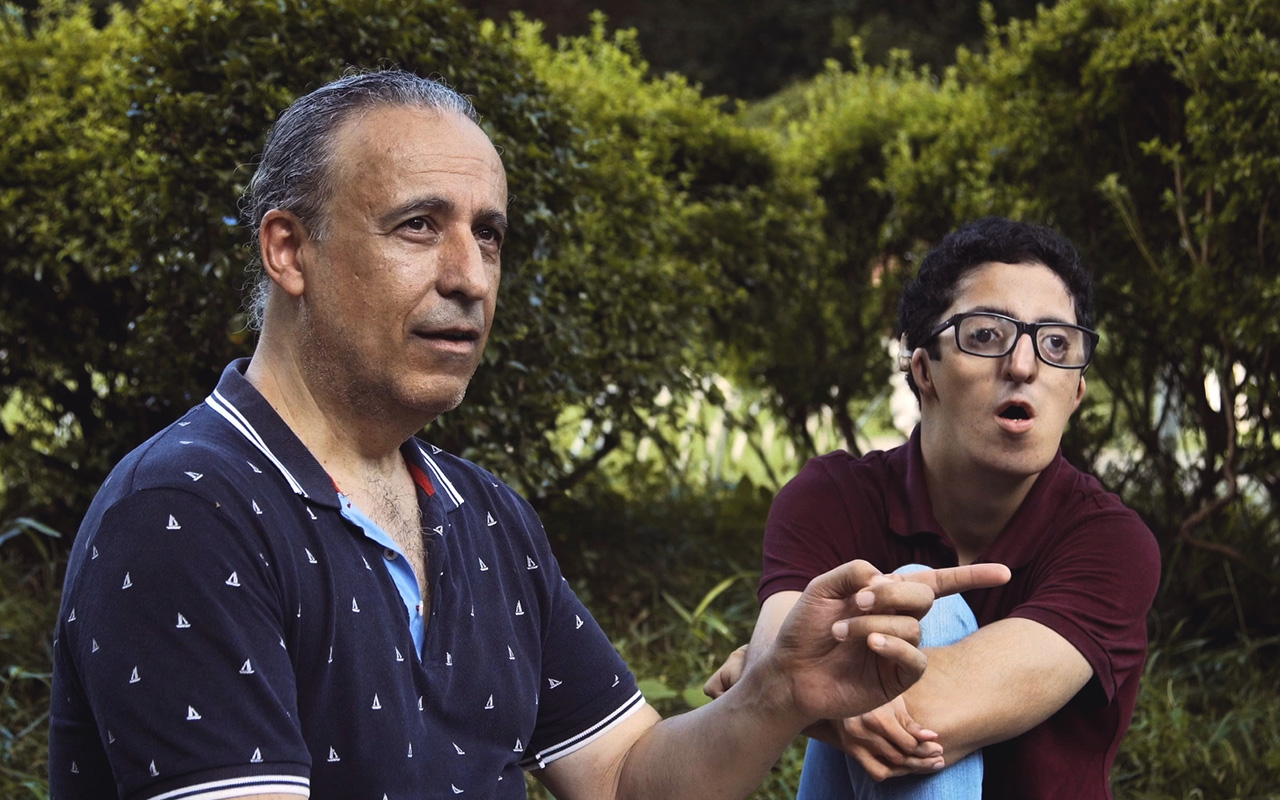
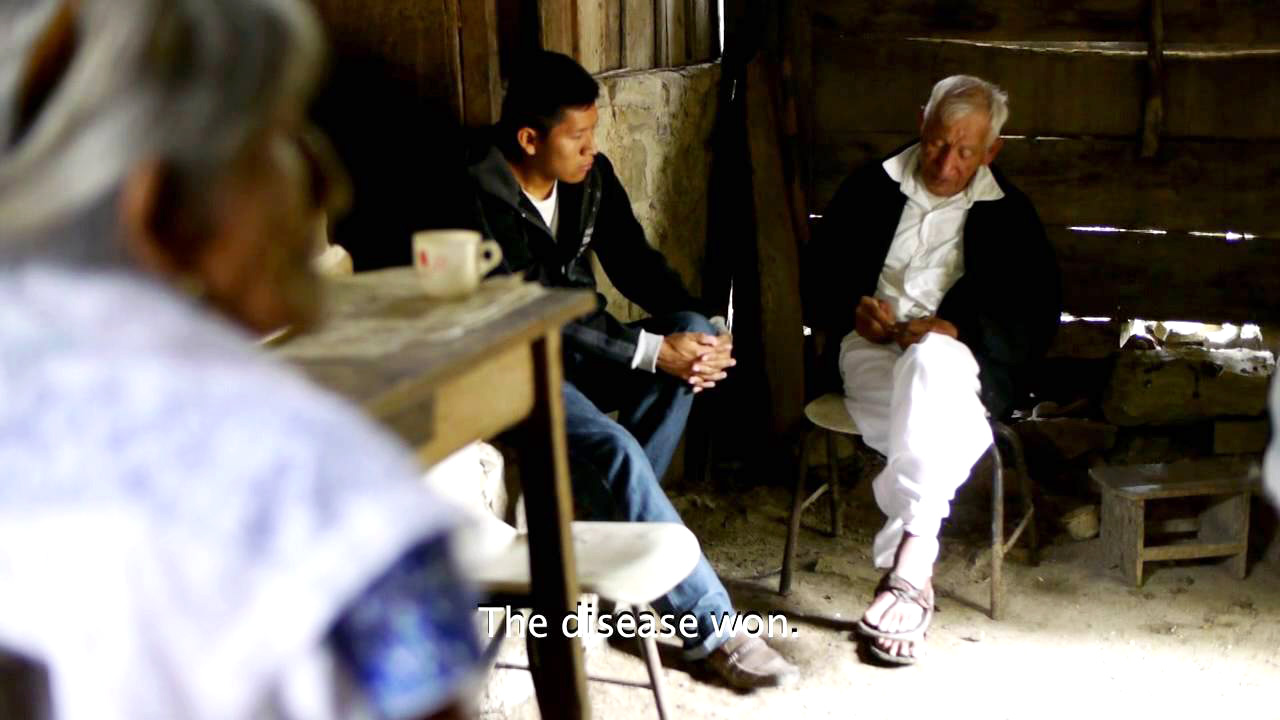
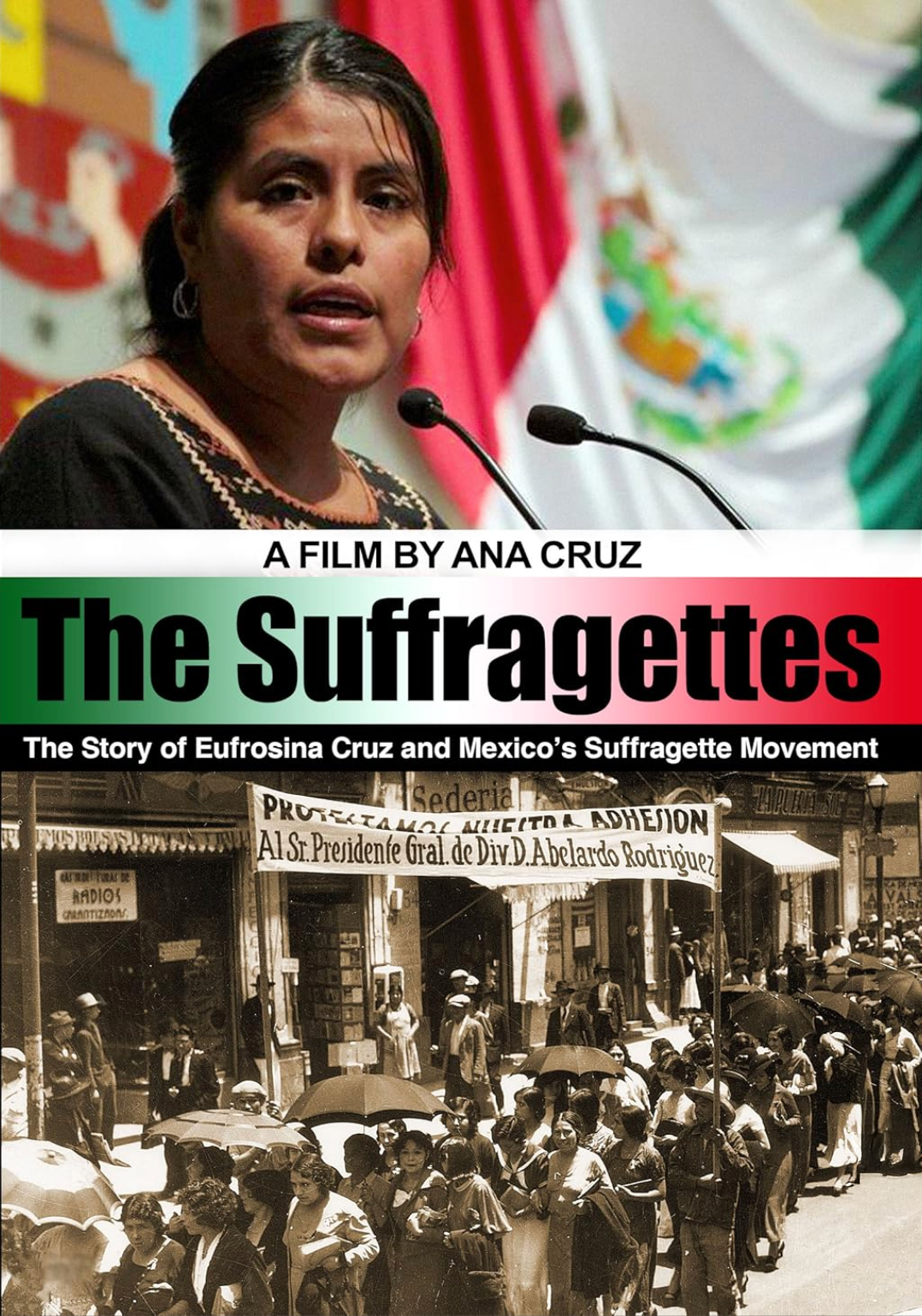
Clips from Concierto para otras manos (2024) depicted David, a young pianist in Jalisco whose father initially thought his son’s four-fingered hands made piano impossible. Las Sufragistas (2012) traced women’s political rights through Eufrosina Cruz, a Zapotec activist who became the first woman Congress President in Oaxaca. Café: Cantos de Humo (2014) followed a rural Mexican family dealing with money problems and painful decisions about the future. It was exactly the kind of story Dr. Esquivel-King argues people need to see. “My first book is all about how Mexican cinema is a gateway for brown people and people from Latin America to have an alternative to just Hollywood films that tend to denigrate Hispanics,” she said. “You see people that look like you, that understand you, that are speaking Spanish, that get the culture.”

The programming succeeded even as execution had issues. A one-second audio-video delay made watching difficult, and the midday Wednesday time excluded those working typical hours. The films deserved an evening or weekend slot with better equipment, and there are already plans to make that happen for next year’s iteration.
For those who couldn’t make it, Dr. Esquivel-King has the films and is open to showing them again. The consulate wants to work with more groups, and while the gap in regular programming remains, it’s clear that people need to see stories about themselves on screen, in their own neighborhood, with others who understand what those stories mean.
Los cines comerciales de Hollywood proyectan franquicias de superhéroes, estrenos de terror y películas hechas para ganar premios Oscar. Lo que casi nunca muestran es cine mexicano. No hay una serie regular, ni programación constante, ni nada para los miles de residentes mexicanos y mexicoamericanos de Southwest que quieren ver historias que reflejen sus vidas y su cultura. El programa de cinco horas presentado el pasado miércoles en Mexicantown CDC fue, para muchos asistentes, su única oportunidad en todo el año de ver cine mexicano contemporáneo en una pantalla grande, y con gente para comentarlo después, cerca de su barrio o en el área metropolitana de Detroit. Una sola tarde llenando un vacío de doce meses.
La Dra. Reyna Esquivel-King quiso cambiar eso. La profesora asistente de Historia en Wayne State University y especialista en cine organizó el evento gratuito del 15 de octubre con la intención de sacar el cine mexicano de la universidad y llevarlo al vecindario. “Quería crear este evento comunitario para que la gente fuera de la torre de marfil también pudiera vivir el cine,” explicó. “No somos una población enorme, pero estamos aquí, y debemos reunirnos para celebrar.”
En colaboración con el Consulado de México en Detroit, programó películas sobre deportación, discapacidad, el derecho al voto de las mujeres indígenas y la supervivencia de familias rurales. Eligió cintas que mostraran distintas regiones, clases sociales y perspectivas dentro del cine mexicano. El consulado obtiene las películas a través del IMCINE, el instituto nacional de cine de México. La Dra. Esquivel-King dirigió conversaciones después de cada proyección.
Accidental Expat (2025), ópera prima del director Alan Barr, abrió el programa con una historia sobre lo que significa la deportación para alguien que creció en Estados Unidos. “Tenemos estudiantes indocumentados. Siento que esta película puede darles esperanza. Si algo llegara a pasar —Dios no lo quiera— que no sea el fin para ellos.”
Durante la charla posterior, una representante del Consulado de México comentó: “Lo que decimos en el consulado es: ‘Estás regresando a casa. Y no tienes por qué tener miedo.’”
Fragmentos de Concierto para otras manos (2024) mostraron a David, un joven pianista de Jalisco cuyo padre pensó al principio que las manos de su hijo, con solo cuatro dedos, harían imposible tocar el piano. Las Sufragistas (2012) siguió la lucha por los derechos políticos de las mujeres a través de Eufrosina Cruz, una activista zapoteca que se convirtió en la primera presidenta del Congreso en Oaxaca. Café: Cantos de Humo (2014) retrató a una familia rural enfrentando problemas económicos y decisiones dolorosas sobre su futuro. Era justo el tipo de historia que, según la Dra. Esquivel-King, la gente necesita ver. “Mi primer libro trata precisamente de cómo el cine mexicano es una puerta de entrada para que las personas morenas y de América Latina encuentren una alternativa al cine de Hollywood, que tiende a denigrar a los hispanos,” explicó. “Ves a personas que se parecen a ti, que te entienden, que hablan español, que comparten tu cultura.”
La programación fue un éxito, aunque con algunos problemas técnicos. Un retraso de un segundo entre el audio y la imagen dificultó la proyección, y el horario de mediodía en miércoles impidió que asistieran quienes trabajan horas regulares. Las películas merecían presentarse en la tarde o el fin de semana, con mejor equipo, y ya existen planes para hacerlo en la edición del próximo año.
Para quienes no pudieron asistir, la Dra. Esquivel-King aún tiene las películas y está abierta a proyectarlas nuevamente. El consulado quiere colaborar con más organizaciones, y aunque todavía hay un vacío en la programación regular, quedó claro que la comunidad necesita ver sus propias historias en pantalla, en su propio barrio, rodeada de personas que entienden lo que esas historias significan.