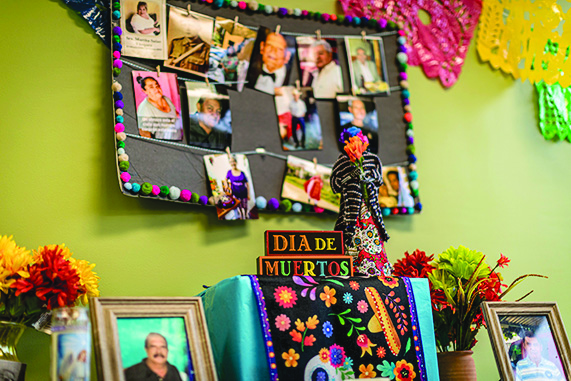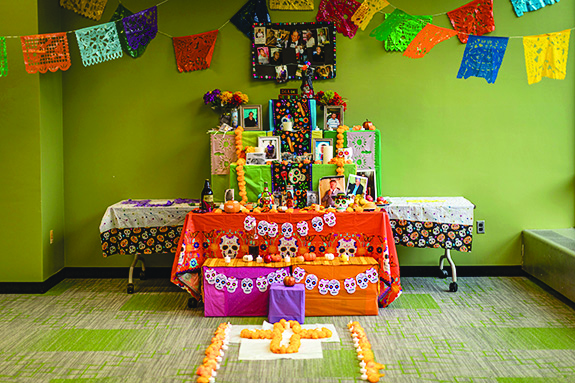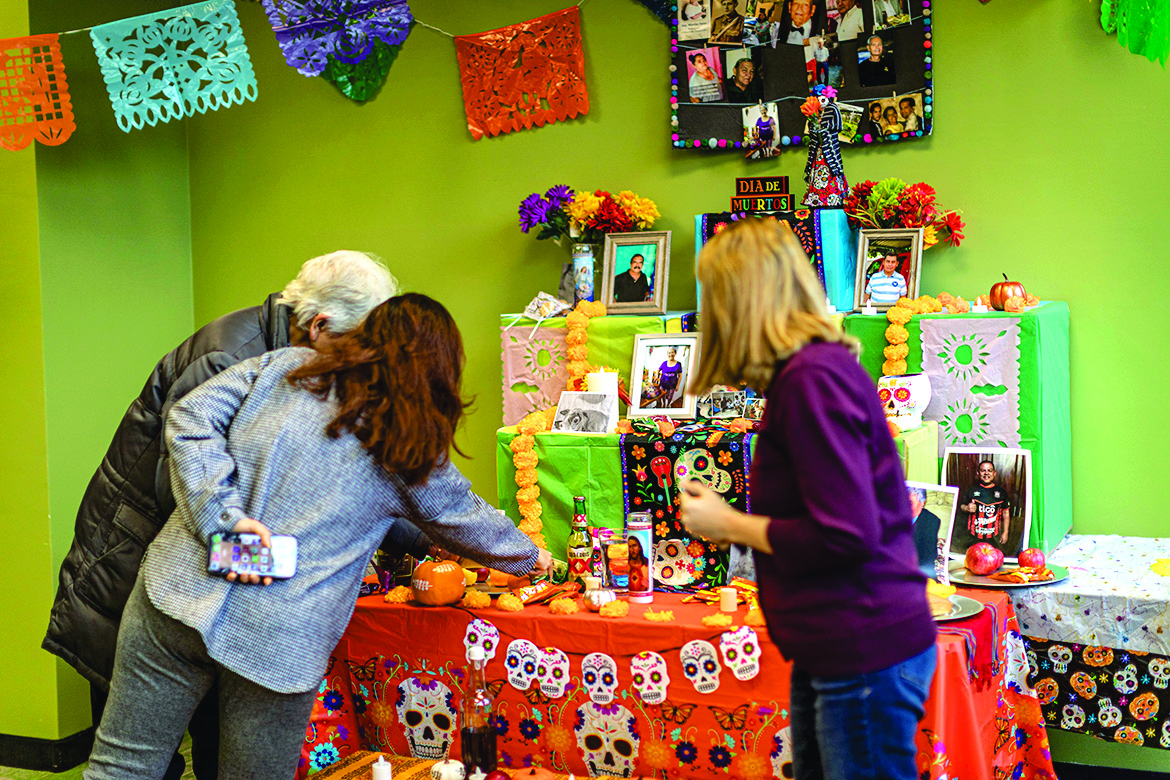











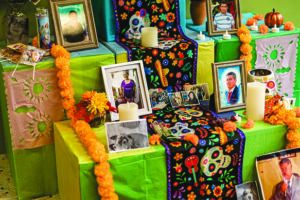
Marigold flowers and small skulls were placed on a small table, which receives photographs of deceased relatives from anyone who wishes to place theirs. Candles, snacks, and drinks also adorned the table as part of the offerings, filling every space on the table. This is the altar built by Michigan State University Latin American students for the Day of the Dead celebration.
Alejandra Granados, a Salvadoran PhD student in physics, has been bringing her father’s photo every year since she began studying at MSU three years ago. “I forgot his favorite things this time, but I still want him to be here, like every year,” Alejandra said.
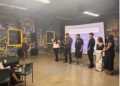
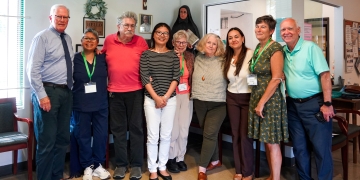
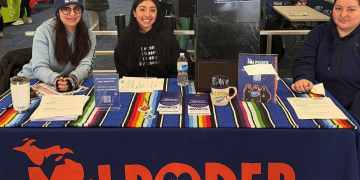
On Friday, October 24, the Latino organization, Comunidad, in collaboration with the Office of International Students and Scholars (OISS), hosted a coffee hour at the International Center to unveil the altar, which will remain open to the public for a week. Dozens of students and community members contributed photos and spent time together sharing, teaching, and learning about the significance of the celebration.

The Day of the Dead isn’t a tradition originally celebrated in the United States; it is primarily celebrated in several Latin American countries on the first days of November.
In some places, like Mexico, Ecuador, and Peru, the celebration takes more than one day, where people visit their deceased loved ones in cemeteries accompanied by music and food, in addition to family and communal altars in houses, schools, and work.
Through this celebration, international students maintain their connection with their traditions during their years studying and working abroad.
“It’s like being able to bring a little piece of your home with you wherever you go,” said Ana Ponce, a Mexican PhD student in Hispanic Cultural Studies, who brought the photo of her maternal grandfather to the altar.
“I think the feeling is a little bit bitter and sweet because you feel close to your culture, to your family, to your home, but at the same time, you feel the distance. It’s something that I miss a lot from my country,” she explained.
This semester, foreign students represent 8.8% of the total MSU population, according to MSU data, and these events have great significance. According to Comunidad vice-president, Luis Torres, it helps to teach about these traditions to the public and create stronger bonds among students from different backgrounds.
“This is a region where there aren’t a lot of Latin Americans compared to other states. So, the challenge to find us is bigger, but we’ll always find the way,” Torres said. “However, this is important as a space of sharing for the international community, not only Latin Americans.”
According to a State News report, the international student population at MSU has steadily declined over the past decade. Furthermore, the hostile environment created by the federal government toward international students, such as the temporary suspension of student visa interviews during the summer, the termination of visa records in the spring, and the issuance of fewer visas before the start of the school year, may have contributed to the 3.8% decline this fall semester.
Christian Yañez, OISS International Student Advisor, emphasized that despite the tense political environment surrounding international students, OISS will continue to support them through funding, spaces for cultural events, and advice on their future decisions.
“I know there’s a lot of anxiety about what’s being experienced, heard, and seen, but we try to remind them that we’re here to support them,” said Yañez. “International students contribute so much academically, culturally, and socially. Spaces like this are meant exactly for that, to encourage cultural exchange within the community.”