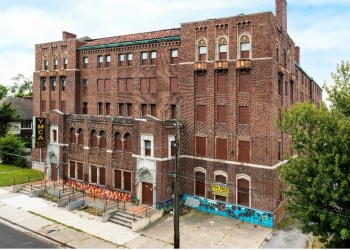




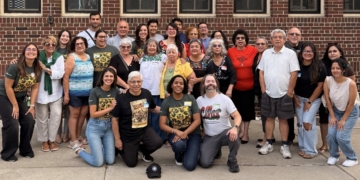







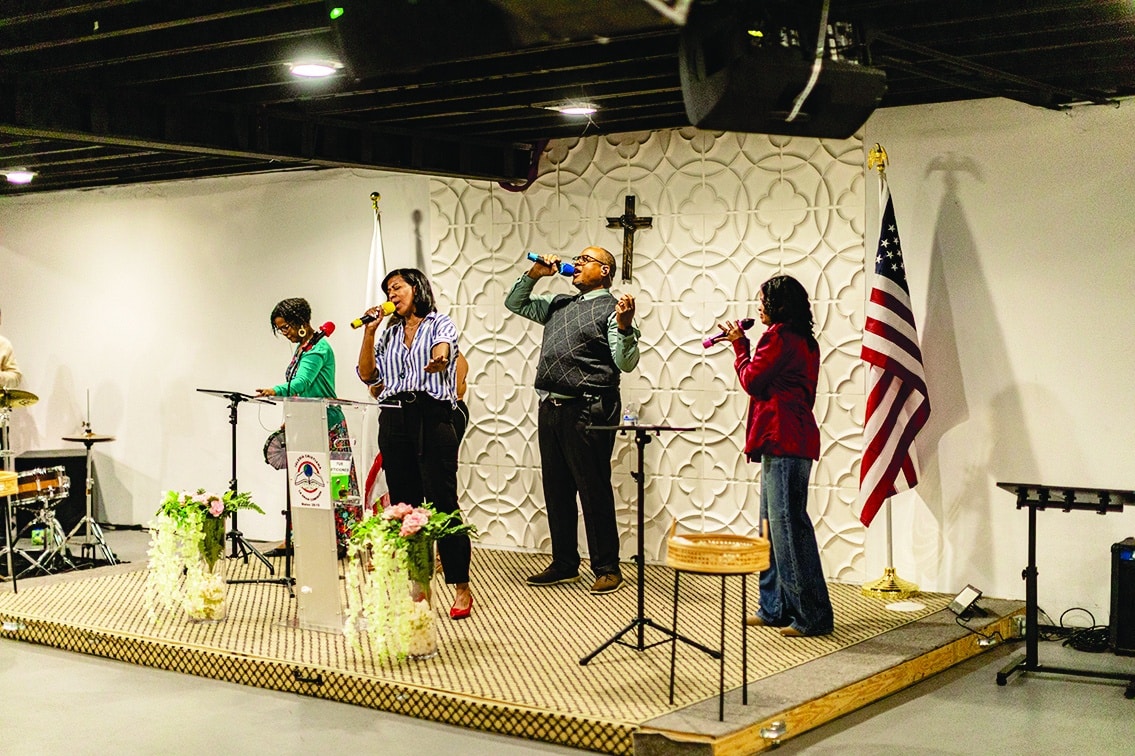
At the La Gran Comisión Christian Church in Detroit, the reverend begins asking the congregation. It is a regular Sunday service.
“Who would you like to ask God for?” he asks.
“For our countries that are at war!” someone responds.
“For immigration cases!” says a woman.
“For the detainees!” a voice is heard from the back.
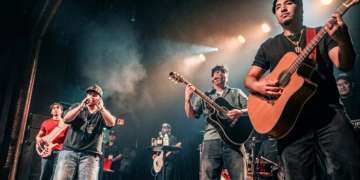
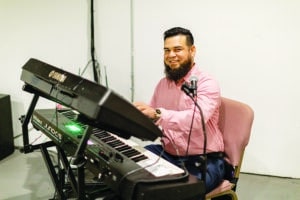
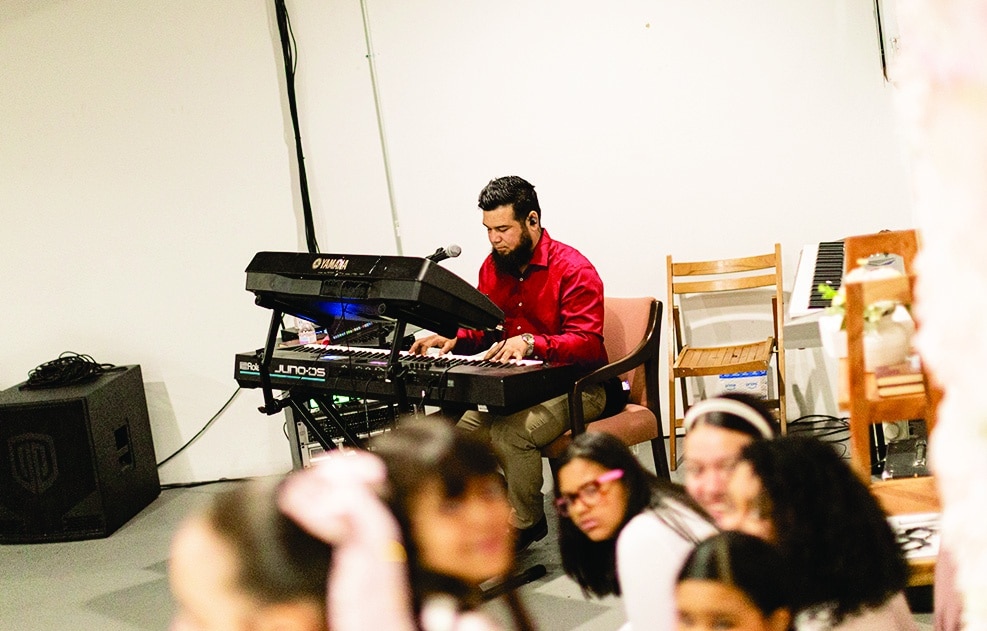
Sitting at the church’s sound mixer, 33-year-old Willians Molina did not say it deliberately. Molina was detained for nearly two months at ICE’s North Lake Processing Center in Baldwin, MI and is now free; he is in charge of the church’s sound system and plays the keyboard during church concerts. His wife and two children watch him from the pews; they will return together to their home in Detroit.
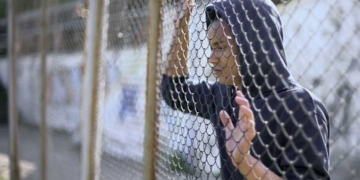
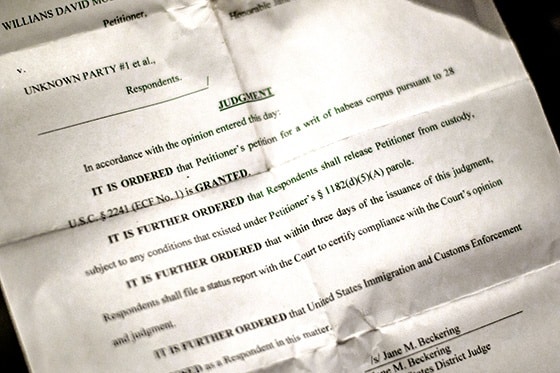
Upon returning, memories of the lack of medical care inside the facility, the guards who would not let people sleep, the hard and uncomfortable bed, the daily head counts, the hard beans served with meals, and the roommates who were frequently changed still come to mind. But he also remembers the friends he made, the domino games with fellow detainees, and those who shouted, “Where are you taking him?” on the day a guard who did not speak Spanish escorted him out upon his release on April 2 thanks to a habeas corpus petition.
“When I got home, my wife asked me, ‘What do you want to eat?’ and I told her, ‘I want an arepa,’ and she made me an arepa,” recalls Molina, who still remembers the bland food he received while detained.
“I felt comfortable, I felt delighted. I was able to use scented soap because the soap there has no smell. I shaved, though not all of my beard because I like my beard. I was able to sleep comfortably in a bed because sleeping there was uncomfortable. The joy of seeing my little daughter, hugging her, my son, my wife, talking with them.”
But the first thing, Molina also says, was catching up on payments. Electricity and water bills, rent, and phone bills had accumulated into thousands of dollars. Month after month, families of immigrants detained for several months struggle to cover rent, food, and medical expenses as immigration agents arrest families’ bread winners, while donations from activist groups and churches help offset the costs.
“I was the only one working. My wife was left alone with our daughter and son,” says Molina. “During the time I was imprisoned, the debts piled up,” he adds.
Molina has many jobs, or as they would say in Peru, the country where he lived with his family for six years, he is a thousand jobs person. Mechanic, musician, and delivery driver are the jobs that helped support his family before he was arrested by ICE and that continue to support them now that he is free.
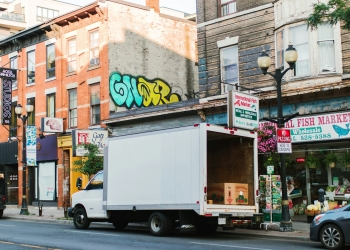
Like many immigrants in Michigan, immigration agents arrested Molina while he was working. Driving through Southwest Detroit, stopped at a red light, four SUVs with tinted windows boxed him in. Molina saw lights in front and behind him. “They had been following me,” he recalls.
He did not resist even though the officer with a covered face who approached his window spoke to him abruptly, repeatedly demanding “Status,” while another tried to open the passenger door. Molina was able to call his wife, and that same day he was sent to North Lake.
“There I saw pregnant women,” says Molina. “Women who were arrested while taking their children to school. They would arrest them and leave their children behind with someone who wasn’t even a relative. It shouldn’t be that way.”
For Molina, deportation would’ve been a nightmare for his family and all they did to be where they are. He never thought about self-deportation. Molina and his family passed through several countries to reach the United States, crossing some of them on foot. Born in Maracay and raised in Zaraza, Venezuela, Molina decided to leave, fleeing the dictatorship and economic crisis affecting his country, together with his wife and first child; they went to Peru.
In the Andean country, near the capital, they lived for six years, where he worked as a mechanic, small business owner, and musician. It was during a visit to Venezuela that they decided to pursue the American dream by crossing the Darién Gap, the dense jungle that divides Colombia and Panama and where thousands of migrants have perished amid the hostile jungle, drug trafficking, paramilitary guerrillas, and human trafficking.
Upon reaching the U.S. border, he and his family entered as asylum seekers. A few months later, he would set foot in Detroit for the first time on the recommendation of a fellow Venezuelan after trying, unsuccessfully, to make a life in Texas.
“I had a Social Security number, a work permit, and a driver’s license,” he adds. “Not a single ticket in all the years I’ve been driving here, paying my taxes, behaving myself, trying to do everything legally so people would respect me. And well, look.”
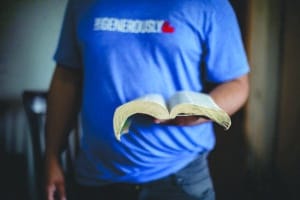
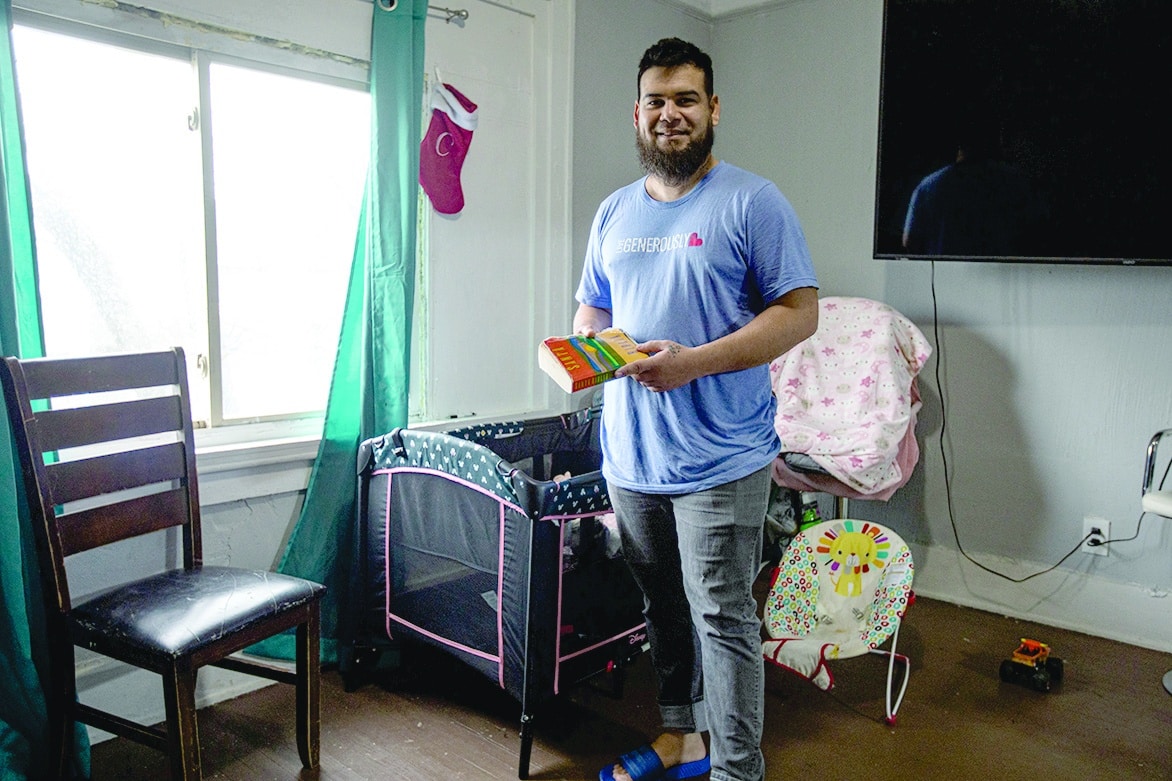
From North Lake prison, Molina brought back a Bible whose pages are filled with notes. He used it when a priest visited the detainees or read it religiously every day inside his cell.
After his release, Molina celebrated his 33rd birthday with his family; now he can pick up his son from school and was there for his graduation. And although seeing large vehicles with tinted windows near him still makes him nervous and he still fears being arrested again, he is grateful every day for being far from the cold cells of North Lake.
En el local de la iglesia cristiana La Gran Comisión en Detroit, el reverendo comienza a preguntar a los fieles. Es una misa de domingo.
“¿Por quienes le quieren pedir a Dios?”, pregunta.
“¡Por nuestros países que están en guerra!” Se escucha.
“¡Por los procesos migratorios!”, dice una mujer.
“¡Por los detenidos!” se escuchó desde el fondo.
Sentado en el mezclador de sonido de la iglesia, Willians Molina de 33 años, no lo dijo deliberadamente. Molina estuvo detenido casi dos meses en el centro de procesamiento de ICE, North Lake, en Baldwin, y ahora está libre; es el encargado de sonido de la iglesia y toca el órgano durante los conciertos. Su esposa y sus dos hijos lo observan desde los asientos, volverán juntos a su casa en Detroit.
A su regreso, los recuerdos de escasa atención médica dentro del recinto, los guardias que no dejaban dormir, la cama dura e incomoda, los conteos diarios, los frijoles duros de la comida y los compañeros de cuarto que eran cambiado de forma seguida, aun les saludan la mente. Pero también recuerda los amigos que hizo, los juegos de dominó con sus compañeros, o aquellos que reclamaron “A donde lo llevas” el día que un guardia que no hablaba español se lo llevó a su liberación un dos de abril gracias a un habeas corpus.
“Cuando volví a casa, mi mujer me dijo ¿qué quieres comer? y yo le dije quiero arepa y ella me preparó arepa”, recuerda Molina, quien aún recuerda la insípida comida que recibía en su detención. “Me sentí cómodo, me sentí encantado. Pude usar jabón de olor, porque los jabones allá no tienen olor. Me afeité no toda la barba porque A mí me gusta mi barba. Pude dormir cómodo en una cama, porque allí dormir era incómodo. La alegría de ver a mi hijita, abrazarla, a mi hijo, a mi esposa, hablar con ellos.”
Pero lo primero también, dice Molina, fue ponerse al día en los pagos. Servicios de luz y agua, la renta y el teléfono que se estaban acumulando en miles de dólares. Al mes, familias de inmigrantes detenidos por varios meses batallan para contener los gastos de renta, alimento y medicina, donde donaciones de grupos activistas e iglesias ayudan a solventar.
“Yo era el único que trabajaba. Mi esposa quedó sola con la niña y el niño,” dice Molina. “En ese tiempo estuve preso, se acumularon las deudas”, menciona. Molina tiene muchos trabajos, o como dirían en Perú, país en el que vivió 6 años con su familia, un mil oficios. Mecánico, músico y conductor delivery son los trabajos que le ayudaron a mantener a su familia antes de ser arrestado por ICE y que le siguen manteniendo ahora que está libre.
Como a muchos inmigrantes en Michigan, agentes migratorios apresaron a Molina mientras trabajaba. Manejando por el sur de Detroit, en un semáforo en rojo, 4 SUV de lunas polarizadas lo encajonaron, Molina observó luces adelante y atrás. “Me habían estado siguiendo,” recuerda. No mostró resistencia a pesar de que el oficial con el rostro cubierto que se acercó a su ventana se dirigió a él de forma brusca pidiéndole “Estatus” repetidamente y otro intentaba abrir la puerta del copiloto. Molina pudo llamar a su esposa y ese mismo día fue enviado a North Lake.
“Allí pude ver a mujeres embarazadas,” dice Molina. “Mujeres que fueron arrestadas mientras llevaban a sus hijos a la escuela. Las agarraban y dejaban a sus hijos botados junto a alguien que no es familiar suyo. Eso no debería de ser así.
Molina y su familia pasaron por varios países para llegar a los Estados Unidos, en algunos los atravesó a pie. Nacido en Maracay y criado en Zaraza en Venezuela, Molina decidió salir, escapando de la dictadura y la crisis económica que atravesaba su país, junto a su esposa y su primer hijo; se fueron a Perú. En el país andino, cerca a la capital, vivieron 6 años donde trabajó de mecánico y músico.
Fue una visita a Venezuela donde tomaron la decisión de perseguir el sueño americano atravesando el Tapón de Darién, esa tupida selva que divide Colombia y Panamá y donde miles de inmigrantes han perecido entre la hostil selva, el narcotrafico, guerrilleros paramilitares y la trata de personas. Al llegar a la frontera, él y su familia entraron como así antes del asilo. Unos meses después, pisaría Detroit por primera vez por recomendación de un compatriota después de probar suerte, aunque sin éxito, en Texas.
“Yo con social security, permiso de trabajo y licencia”, agrega. “Ni un ticket en todos los años que he tenido aquí manejando, declarando mis impuestos, portándome bien, tratando, haciendo todo legalmente para que me respeten. Y bueno, fíjate.”
De la prisión North Lake, Molina se trajo una biblia cuyo interior esta lleno de apuntes. El la usaba cuando un padre visitaba a los internos o la leía todos los días religiosamente dentro de su celda. Después de salir, Molina celebró con su familia su cumpleaños 33; ahora puede recoger a su hijo de la escuela, estuvo con él su graduación. Y aunque aún le generan nervios ver autos grandes con lunas polarizadas cerca de él y aun tema ser arrestado nuevamente, agradece cada día como una bendición estar lejos de las frías celdas de North Lake.