



















The City of Detroit is introducing a new food truck ordinance, an act that could recodify existing standards on temporary permits and also introduce a new, permanent option for food truck owners.
“The ability to operate under a building permit will provide food truck operators with greater business stability and predictability, reducing administrative costs and uncertainties associated with temporary permits,” said Christopher Gulock, Deputy Director at the City of Detroit Planning Commission.
According to the city website, Detroit offers two types of temporary permits. Food trucks must either qualify as A) Mobile Food Establishment or B) Special Transitory Food Unit. Both of these must be renewed yearly. To qualify as a mobile food establishment, Act 29 of 2000 states that a food truck, food trailer, or boat must return daily to a central kitchen or depot where it is cleaned, supplied with fresh ingredients, and serviced. On the other hand, a Special Transitory Food Unit is not required to return to its home base every day.
“We want to add it as a permanent land use. We really need to add it to regulate them properly,” Gulock said
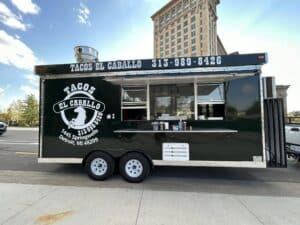
Part of the current regulations allow food trucks in residential areas only for permitted special events. A checklist can be found on the website for the City of Detroit. Chapter 50 of the 2019 Detroit City Code is the city’s official Zoning Ordinance. Gulock said that other than special events, he would not allow resident zones or downtown near Campus Martius to be zoned for food trucks. Zone M4 (Intensive Industrial District) and zone M5 Special Industrial District) would not be zoned for food trucks.
Apart from zoning and an update on types of permits, the new ordinance would tackle food truck pods. How many food trucks allowed in a pod would be dictated by the size of the lot to determine safe capacity.
“It wouldn’t be like the wild west. A site plan review is required,” Gulock said.
While this can all seem overwhelming, Gulock stated that there will be a city-wide mailing soon which city officials are currently working on. He hopes that in July or August, there will be a public hearing at the City Planning Commission, followed by a second hearing at City Council in the fall. If passed, the ordinance will be followed by an education campaign.
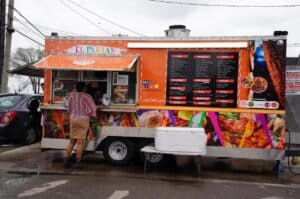
Gulock stressed another important addition. Building an accessory structure such as a small gazebo or restrooms nearby would be allowed under the new ordinance, offering permanence where none existed before for food trucks in Detroit.
While city officials say the ordinance would provide greater stability for food truck operators, questions remain about how the new regulations could affect nearby businesses in terms of competition.
La Ciudad de Detroit está presentando una nueva ordenanza para los food trucks, una medida que podría recodificar los estándares actuales sobre permisos temporales y también introducir una nueva opción permanente para los propietarios de estos negocios.
“La posibilidad de operar bajo un permiso de construcción brindará a los operadores de food trucks una mayor estabilidad y previsibilidad para sus negocios, reduciendo los costos administrativos y la incertidumbre asociada con los permisos temporales”, dijo Christopher Gulock, subdirector de la Detroit Planning Commission.
Según el sitio web de la ciudad, Detroit ofrece dos tipos de permisos temporales. Los food trucks deben calificar como: A) Mobile Food Establishment o B) Special Transitory Food Unit. Ambos permisos deben renovarse cada año.
Para calificar como Mobile Food Establishment, la Ley 29 del año 2000 establece que un food truck, remolque de comida o embarcación debe regresar diariamente a una cocina central o depósito donde se limpia, se abastece con ingredientes frescos y recibe mantenimiento. Por otro lado, un Special Transitory Food Unit no está obligado a regresar a su base todos los días.
“Queremos agregarlo como un uso permanente del suelo. Realmente necesitamos incluirlo para poder regularlos adecuadamente”, dijo Gulock.
Parte de las regulaciones actuales permite la operación de food trucks en zonas residenciales únicamente durante eventos especiales autorizados. En el sitio web de la Ciudad de Detroit se puede consultar una lista de requisitos. El Capítulo 50 del Código Municipal de Detroit de 2019 es la ordenanza oficial de zonificación de la ciudad.
Gulock señaló que, aparte de los eventos especiales, no permitiría que las zonas residenciales ni el área del centro cerca de Campus Martius fueran designadas para food trucks. Tampoco se permitirían en la Zona M4 (Intensive Industrial District) ni en la Zona M5 (Special Industrial District).
Además de la zonificación y la actualización de los tipos de permisos, la nueva ordenanza abordaría los llamados “food truck pods”, o agrupaciones de food trucks. La cantidad de unidades permitidas en cada grupo dependería del tamaño del terreno para determinar una capacidad segura.
“No sería como el viejo oeste. Se requerirá una revisión del plan del sitio”, dijo Gulock.
Aunque todo esto puede parecer abrumador, Gulock indicó que próximamente se enviará información por correo a nivel municipal, un esfuerzo en el que actualmente trabajan las autoridades de la ciudad.
Espera que en julio o agosto se realice una audiencia pública ante la City Planning Commission, seguida de una segunda audiencia ante el City Council durante el otoño. Si la ordenanza es aprobada, se pondrá en marcha una campaña educativa para informar a la comunidad.
Gulock destacó otra incorporación importante. La nueva ordenanza permitiría construir estructuras complementarias, como pequeños gazebos o baños cercanos, ofreciendo una permanencia que hasta ahora no existía para los food trucks en Detroit.
Aunque las autoridades municipales afirman que la ordenanza proporcionaría una mayor estabilidad para los operadores de food trucks, aún existen interrogantes sobre cómo las nuevas regulaciones podrían afectar a los negocios cercanos en términos de competencia.