

















In the Catholic Church’s celebrations, Lent is the most important, as it represents Jesus’ preparation for the greatest miracle: the resurrection. Jesus was baptized when he was approximately 30 years old, and for the next three years, until he turned 33, he dedicated himself to the people, sharing the teachings of God’s mercy through his words, deeds, and miracles during his life in the Levant region, on the southeastern edge of the Mediterranean Sea.
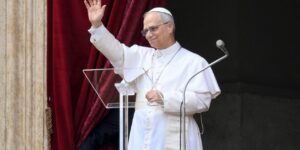
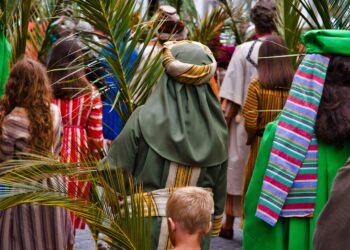
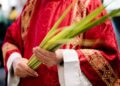
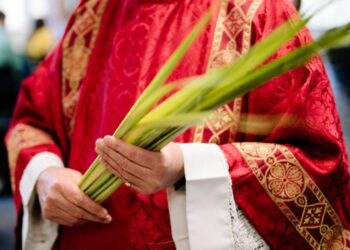
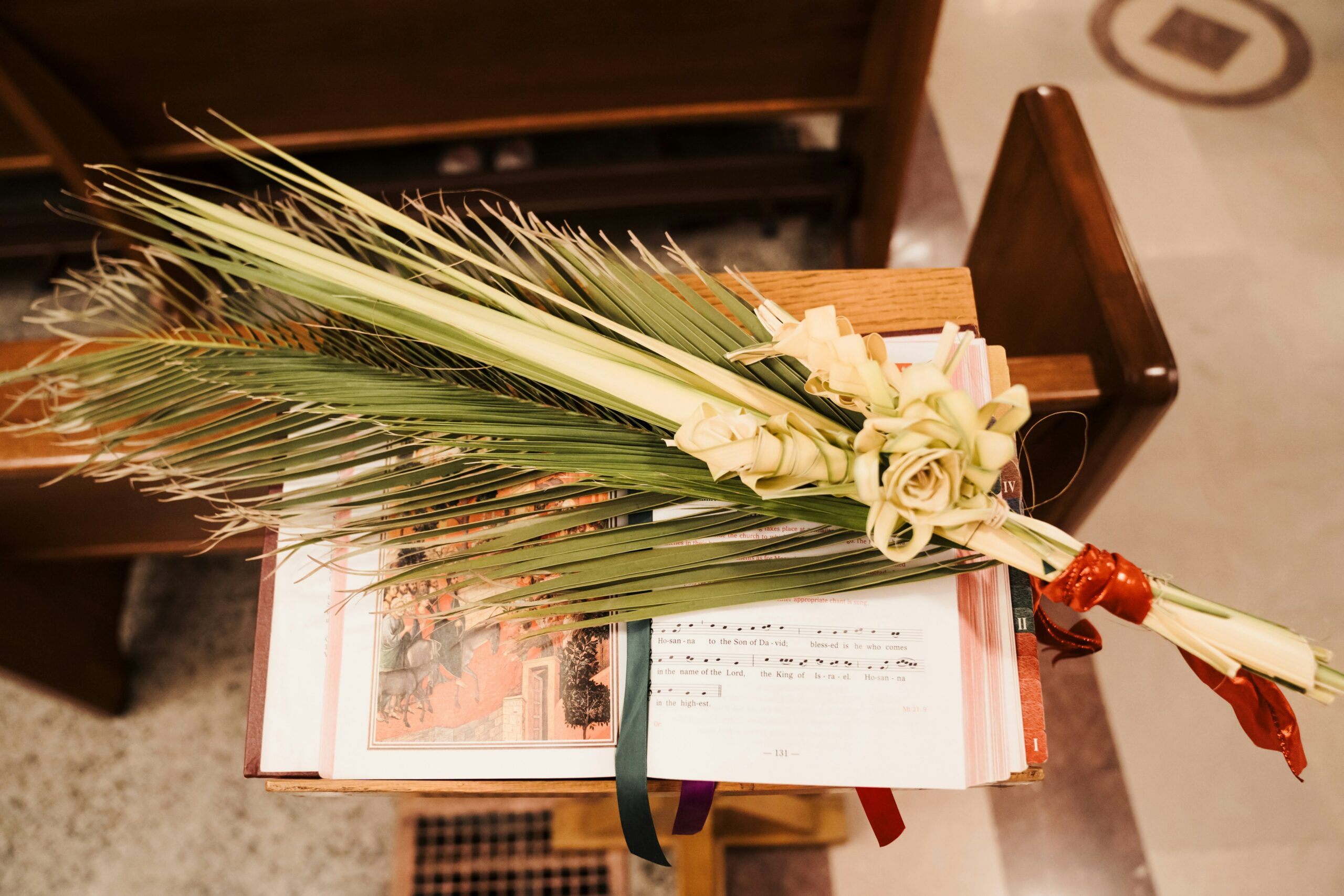
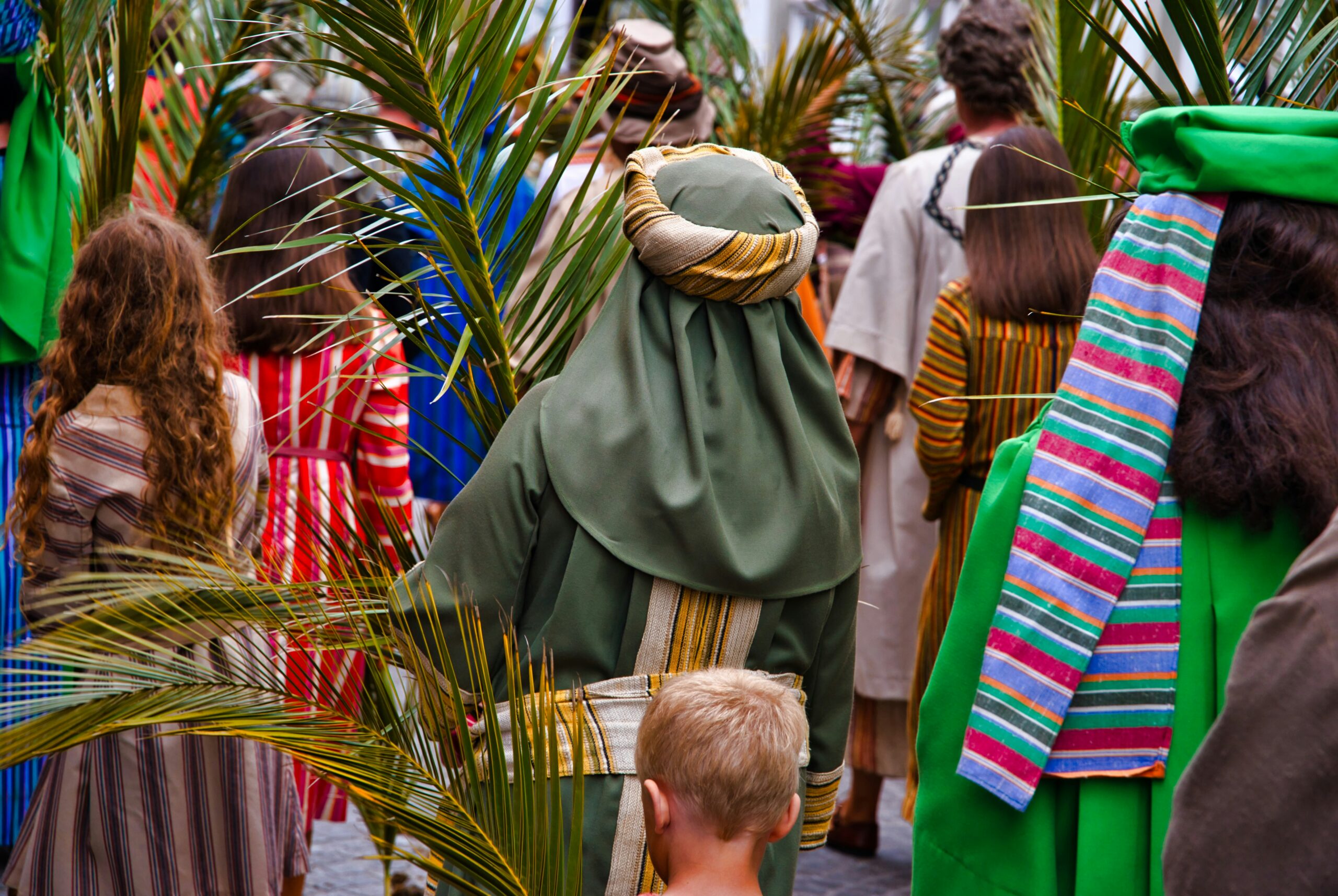
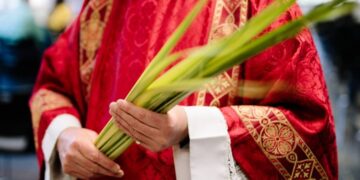
This year, Pope Leo XIV will lead the commemoration of the Passion of Christ, following his election as Pope in May 2025. The Passion of Christ refers to the series of the most important episodes in the life of Jesus narrated in the Gospels, which include Jesus’ entry into Jerusalem (Palm Sunday), the Last Supper, the crucifixion, death, burial, and resurrection. Palm Sunday, when Jesus enters Jerusalem on a donkey, symbolizes that his entry is one of peace, not war. He is received with palm and olive branches to recognize him as the savior. It is here that Jesus carries out his triumphant entry, as some call it, and it is also here that what Christians know as the Passion of Jesus begins—the culmination of the mystery of Christ.
Jesus had already performed his miracles, fulfilling his promises. Although there are differing accounts of whether there were 37 or 42, these miracles refer to the same acts.
Before arriving in Jerusalem, Jesus stops and asks his apostles to untie a donkey so he can ride it into the city. Upon his arrival, the people greet him not only with palm and olive branches but also spread out cloths on the ground to carpet his path, just as they did for kings. As he passed by, they shouted, “Blessed is he who comes in the name of the Lord!” and “Peace in heaven and glory in the highest!”
It is worth noting that the life of Jesus was recorded in the biblical texts of the New Testament, comprised of the four Gospels of Matthew, Mark, Luke, and John, along with the testimonies of the apostles, the Epistles, and the Book of Revelation. We must remember that the Catholic Bible consists of two parts: the Old Testament, which compiles the most important books of the Jewish tradition, followed by the New Testament, which we have just mentioned.
En las celebraciones de la iglesia católica, la cuaresma es la más importante, pues es la preparación de Jesús para llevar a cabo el milagro más grande, la resurrección. Si bien, Jesús fue bautizado cuando tenía aproximadamente 30 años y durante los siguiente tres años, hasta que cumplió los 33 años se dedicó al pueblo compartiendo las enseñanzas de la misericordia de Dios a través de sus palabras, actos y milagros durante su vida en la región de Levante, al extremo suroriente del Mar Mediterráneo.
Este año, el Papa León XIV liderará la conmemoración de la Pasión de Cristo tras su designación como Papa en mayo del año pasado 2025. La Pasión de Cristo es como se le llama al conjunto de episodios más importantes de la vida de Jesús narrados en los evangelios, los cuales constituyen la entrada de Jesús a Jerusalén (Domingo de Ramos), la última cena, la crucifixión, muerte, entierro y resurrección.
El Domingo de Ramos, es cuando Jesús entra a Jerusalén en un asno es un símbolo de que su entrada es una entrada de paz, no de guerra, siendo así recibido con ramos de palmas y olivos para reconocerle como el salvador. Y es aquí, cuando Jesús lleva a cabo su entrada triunfante, como algunos le llaman, y es aquí también cuando se da inicio a lo que se conoce para los cristianos La Pasión de Jesús, el fin del cumplimiento del misterio de Cristo.
Jesús había realizado ya sus milagros, había cumplido, que, aunque hay divergencias entre si fueron 37 o 42, estos refieren a los mismos actos.
Antes de llegar Jesús a Jerusalén, se detiene antes de entrar a Jerusalén donde les pide a sus apóstoles que vayan a desatar un burro al que se montará para entrar a Jerusalén. Al llegar las personas le reciben no sólo con los ramos de palmas y olivos, sino que tienden en el suelo para su paso prendas de tela que alfombraran su paso, tal como lo hacían para los reyes. A su paso gritaban: “¡Bendito el que viene en el nombre del Señor!”, “¡Paz en el cielo y gloria en las alturas!”.
Cabe destacar que la vida de Jesús quedó grabada en los textos bíblicos del Nuevo Testamento, constituido por los cuatro libros de los evangelios de Mateo, Marcos, Lucas y Juan, aunado a los testimonios de los apóstoles, las epístolas, así como el apocalipsis. Debemos recordar que la biblia católica está constituida por dos partes, el Antiguo Testamento que recopila los libros más importantes de la tradición judía, al que le sigue el Nuevo Testamento que acabamos de mencionar.