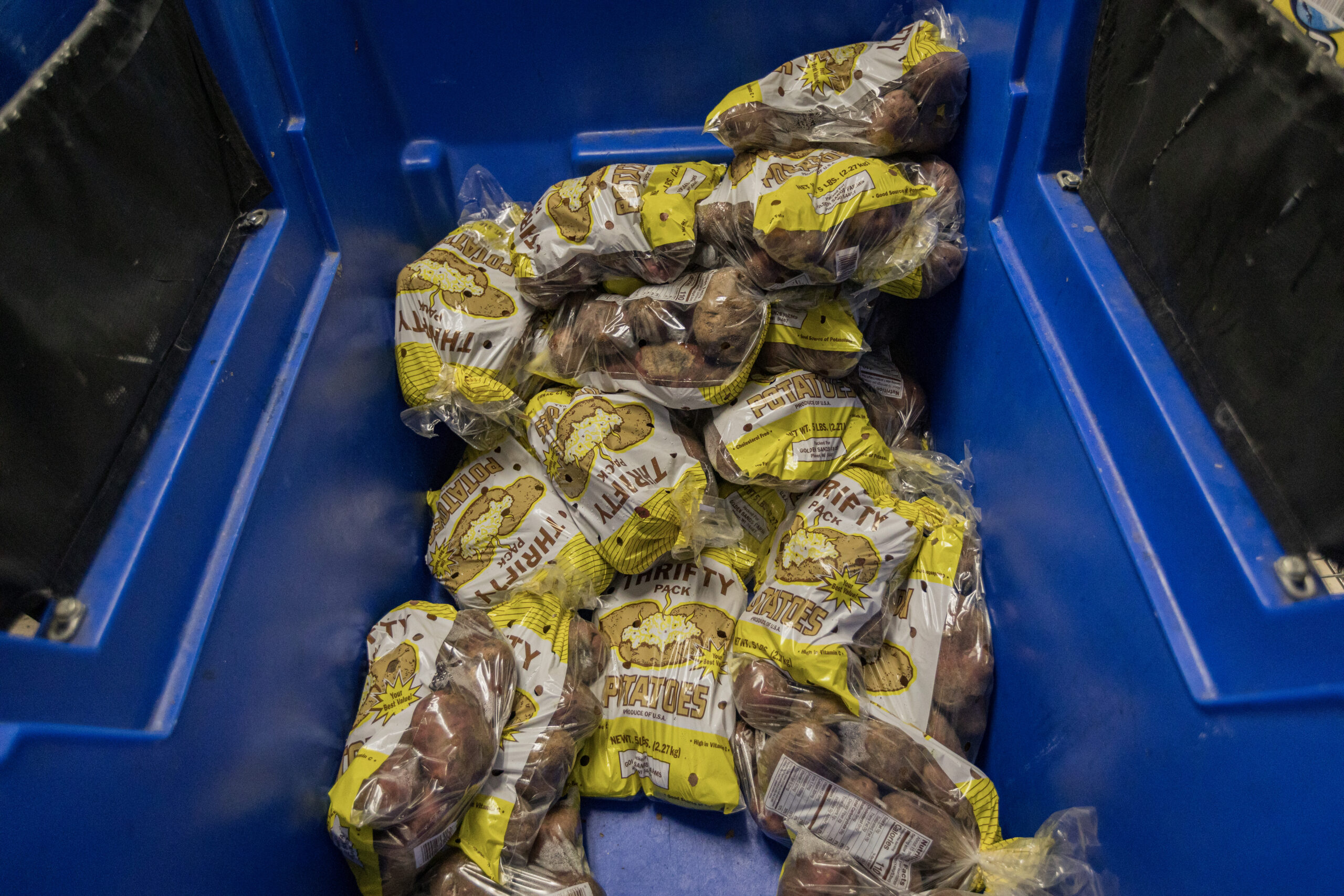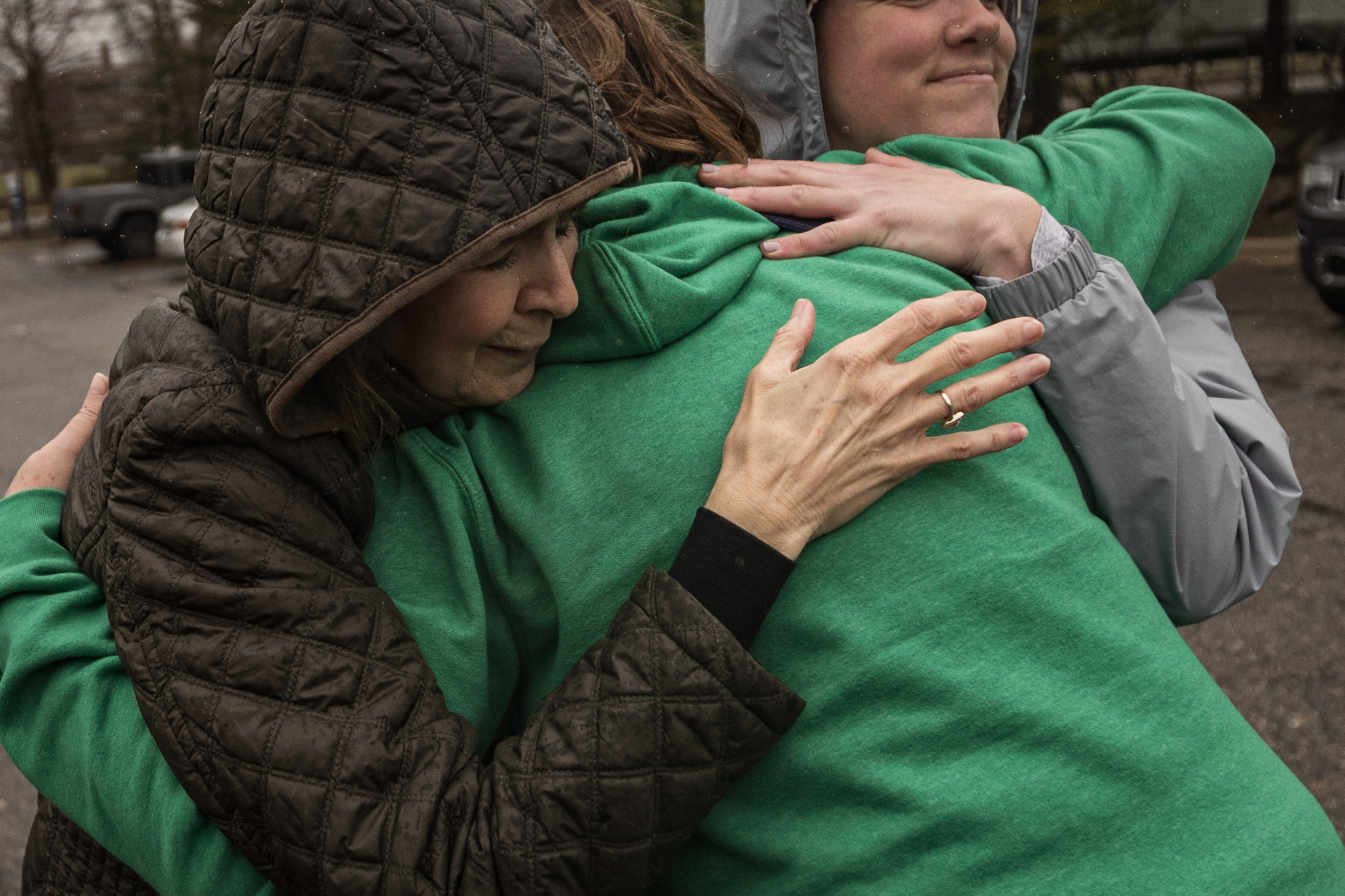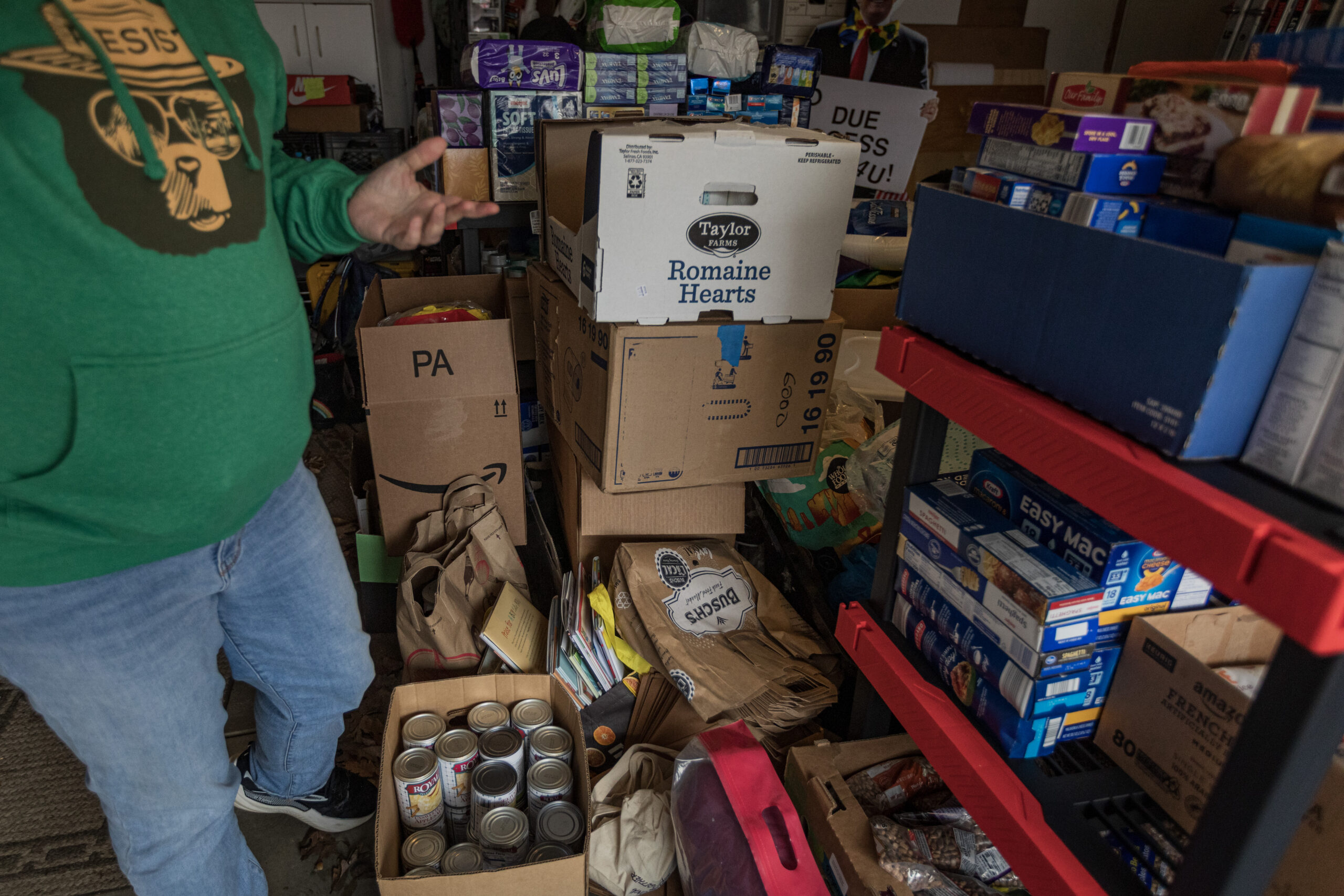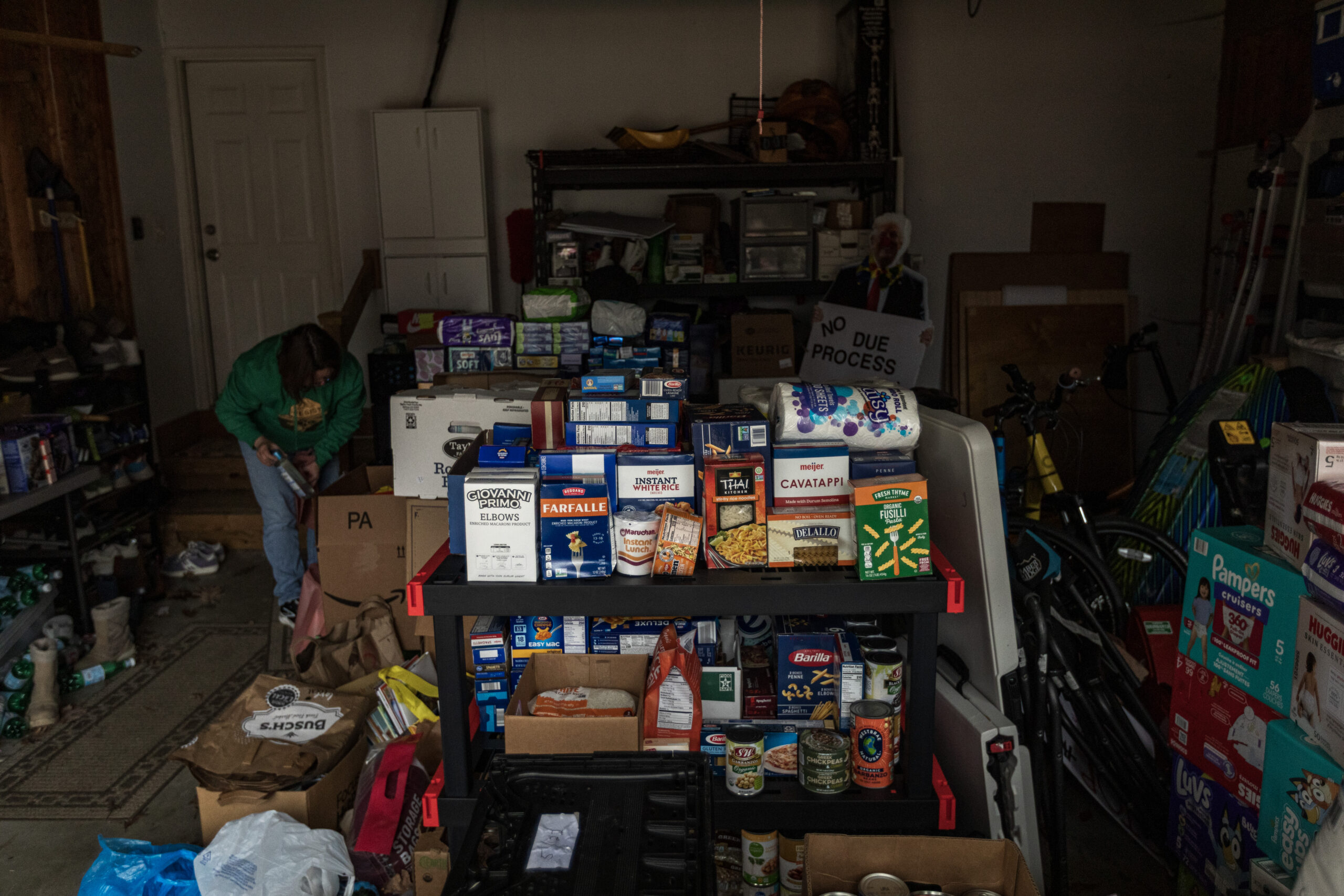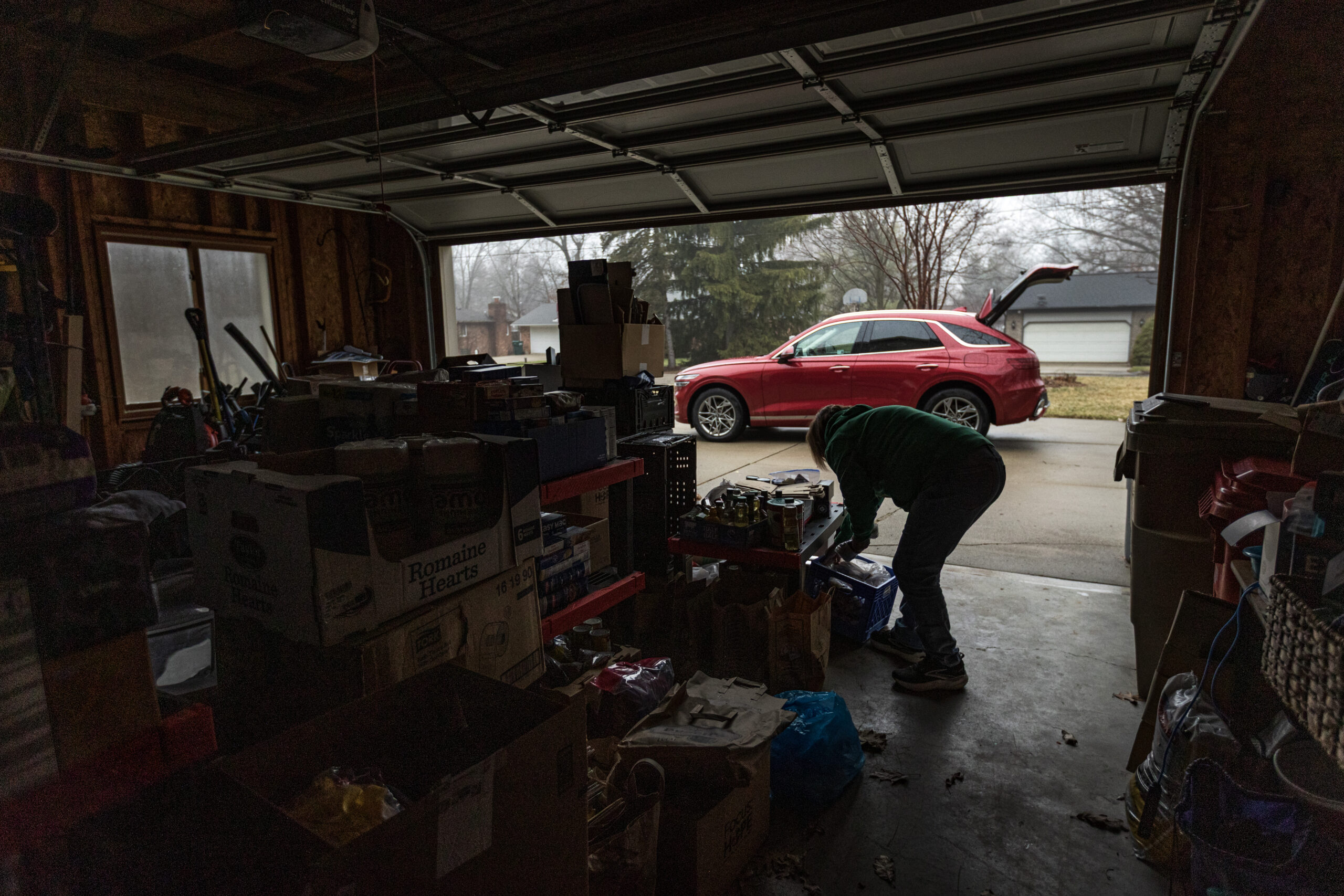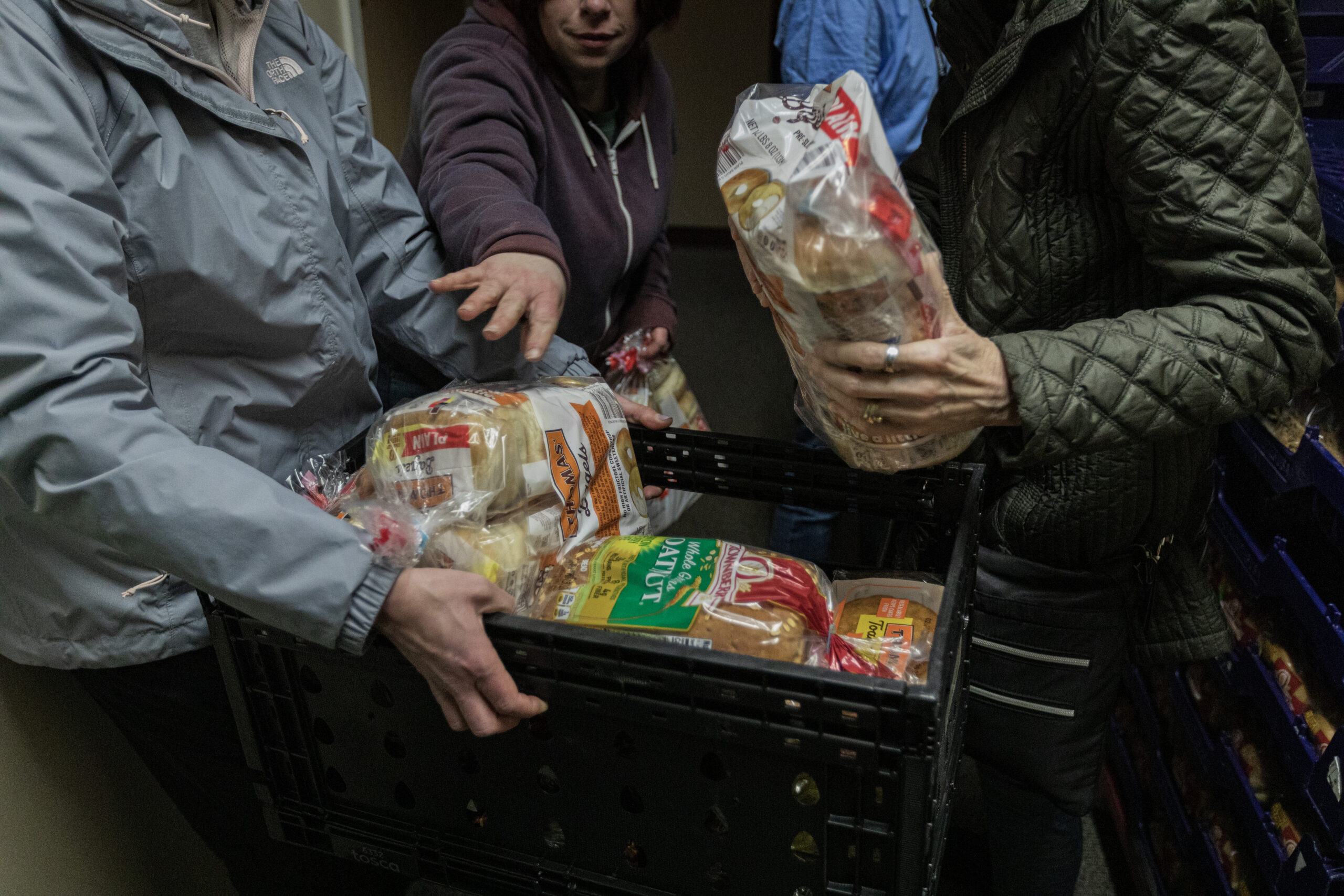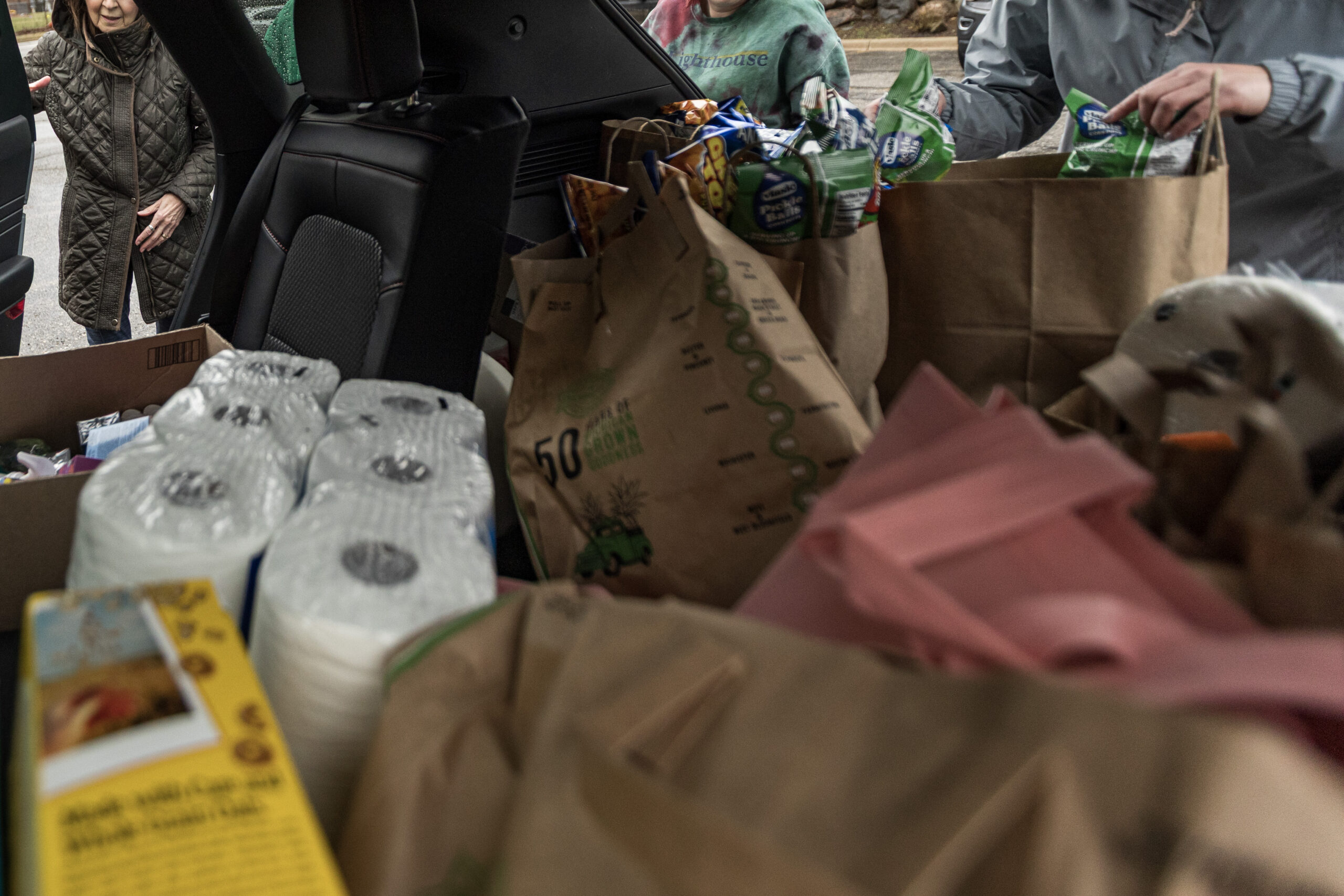



















The car trunks are overflowing with bags, and the back seats are equally packed. The contents are varied, but essential for everyone. Cans of beans, bags of bread, milk, fruit bags, paper towels, potatoes, fruits, and important hygiene products are packed by Holly Helterhoff, 55, and two other volunteers in two cars on their delivery route through the districts of Pontiac, where the immigrant population is large and has been “hammered” by immigration arrests. Before starting, they hug and wish each other luck on the road.
The goal is to keep immigrant neighbors inside their houses as much as possible to avoid being arrested by immigration agents or, in other cases, to provide support to families whose breadwinners were arrested or deported, leaving them without money to survive.
“Many families are broken up during this immigration crackdown,” says Helterhoff, who started delivering food last summer, as part of a volunteer network for immigrant families. “Food becomes a way to provide some survival and some comfort. Food is important, but safety is more important.”
The initiative was born early last summer, spearheaded by Community Aid for Empowerment — a Pontiac-based activist group that assists immigrant families. And although it began with just a handful of volunteers and up to five families per week, Helterhoff states that since October of last year, the volume has surged to 30 families per week that are helped once per week. Happily, the network has also grown to include as many as 20 volunteers.
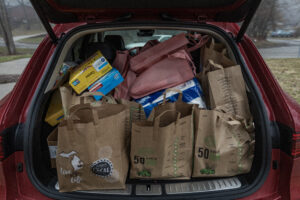
The routes are already familiar to most of the volunteers; they cover houses, apartments, and mobile homes in Latino neighborhoods where ICE has been highly active. Arrested on the way to or from the supermarket; while withdrawing cash from the Chase ATM on Baldwin Ave; or while leaving early for work—during those two minutes between the front door and public transit—where immigration agents suddenly appear.
“Sometimes we get emergency calls, particularly if someone has just been detained and part of their family is left behind with kids and stuff,” Helterhoff said. “And I might use the side food I have access to through donations, and also need to run to the grocery store to get some basics.”
Families reach this volunteer network through church mutual aid, word of mouth, recommendations, or their hotline, where they also provide bilingual communication. Volunteers remove people from the list—as they decide to self-deport or leave Michigan for any reason—while new ones are added, she says.
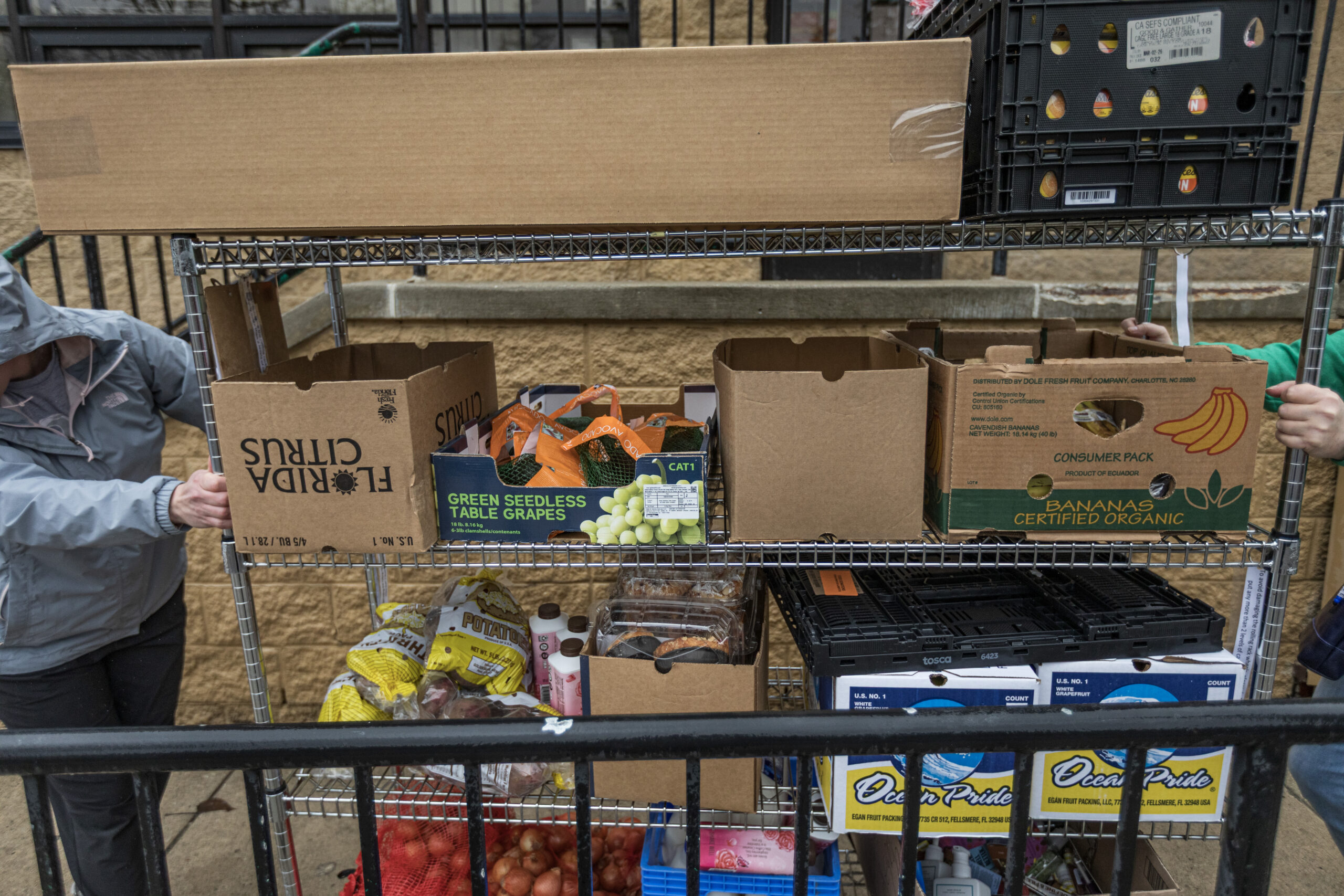
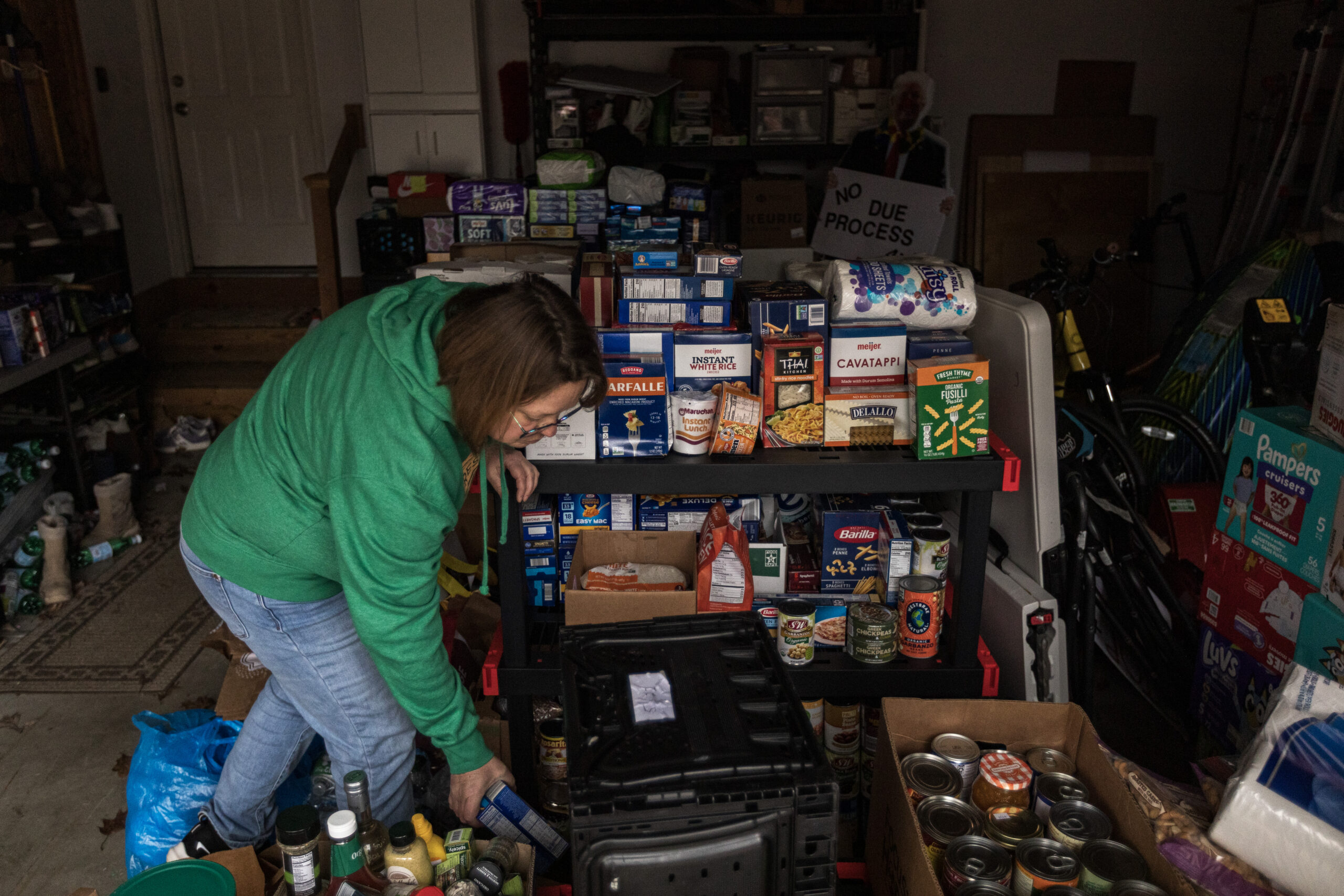
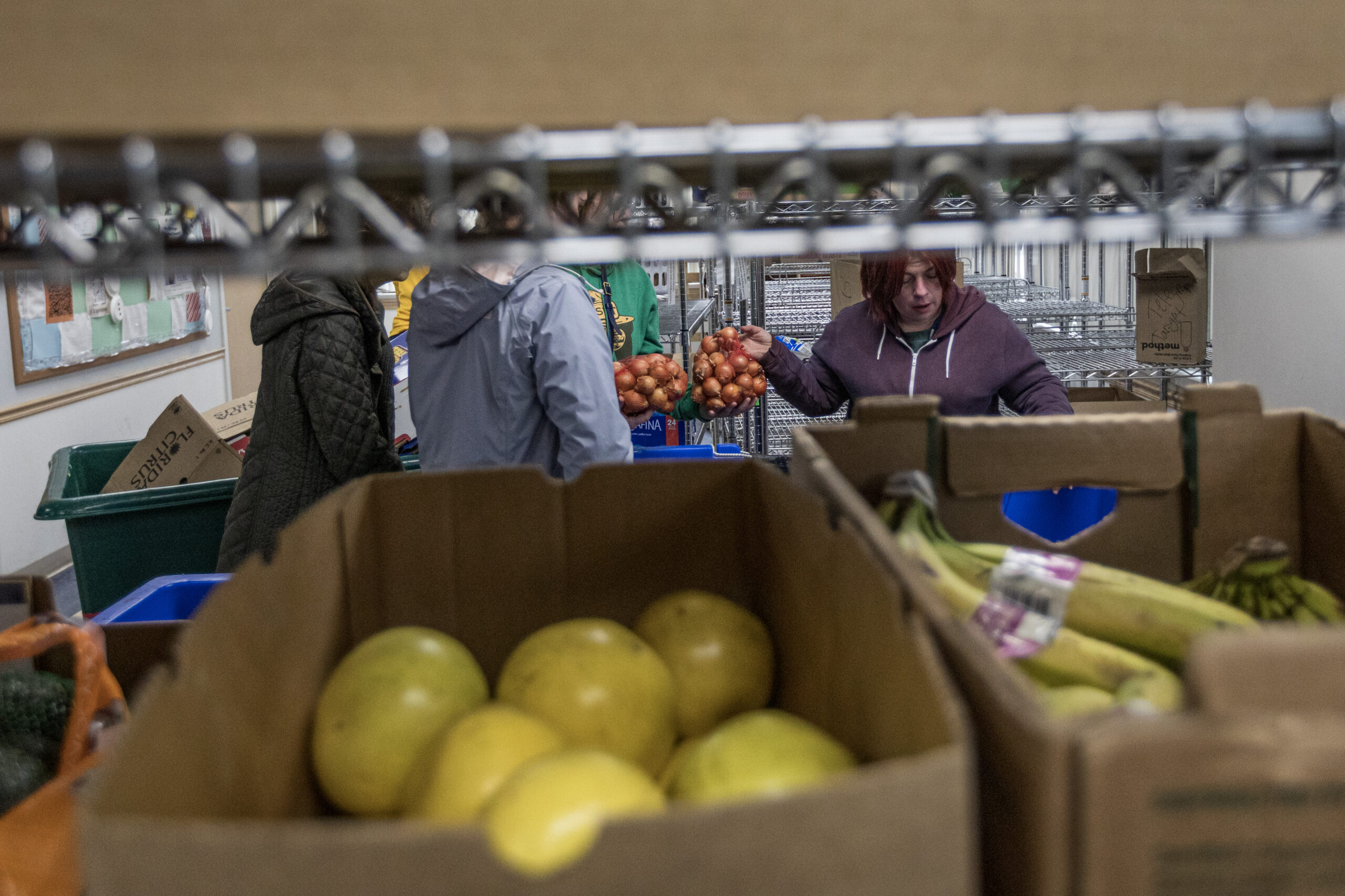
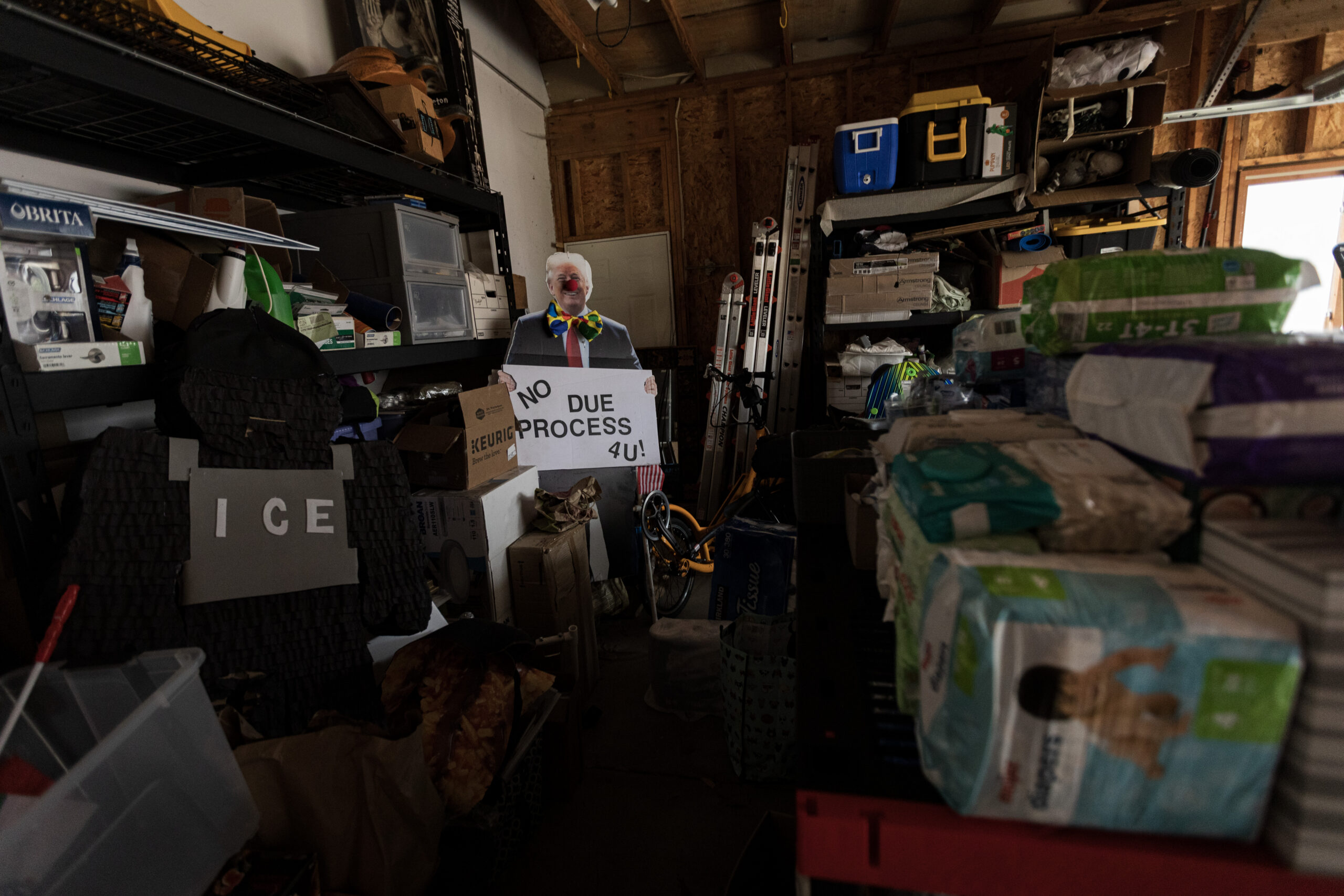
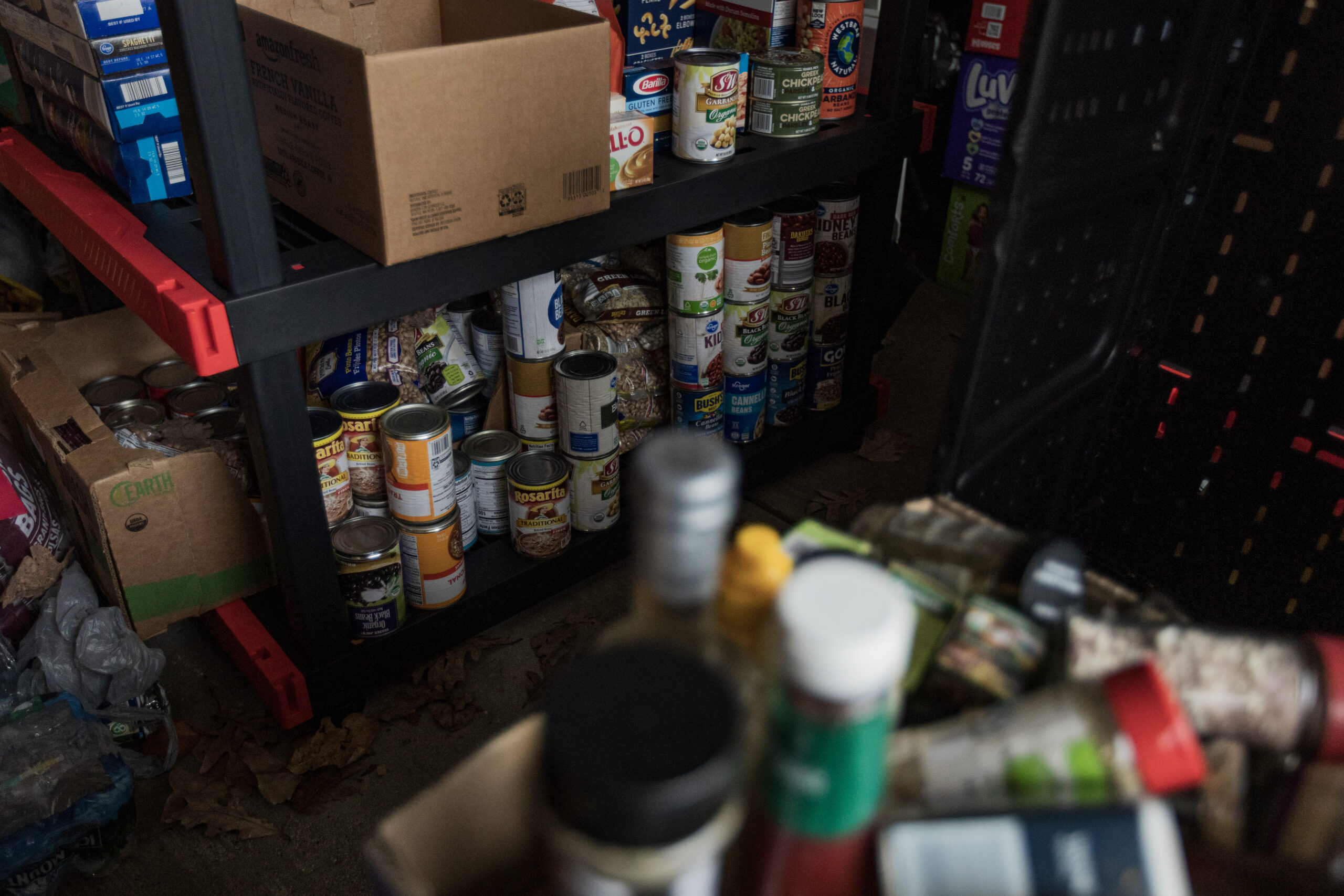
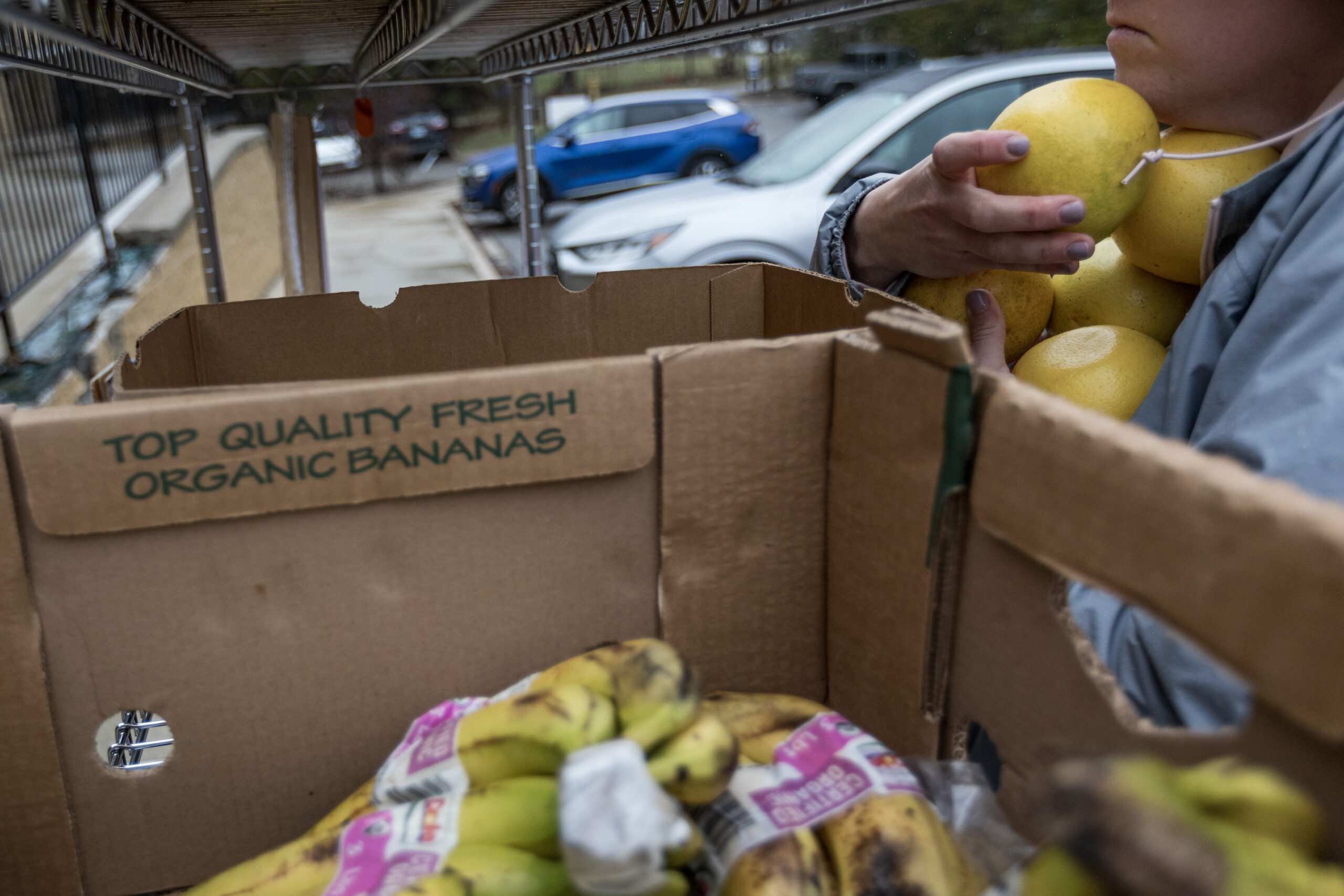
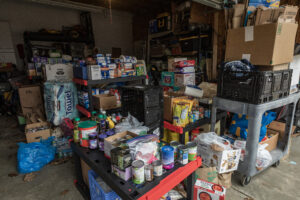
Before leaving, Helterhoff takes one last look at her garage—more than half of which is occupied by donations of food and hygiene products that she can store. The car is ready, but today, she isn’t using hers; it’s rented. “To throw off the ICE a little,” she says. “A lot of it is so no one is keeping track of me. Because I don’t want any of us to guide ICE to someone’s home accidentally.” Her first stop will be a local food pantry to round out the list of necessities with fresh items such as vegetables, fruits, and bread.
“Most of the families aren’t eligible for food stamps either because of their immigration status, or they have chosen not to be on those lists for safety. Which puts them at more risk,” She adds.
Volunteers not only learn the routes to the homes they must visit, but also undergo days of training to recognize ICE vehicles and avoid confrontations or being followed. This measure was implemented following the deaths of two ICE watchers, Renne Good and Alex Pretty, at the hands of federal agents in Minneapolis earlier this year.
“I’ve seen ICE activity, and I’ve canceled the food delivery. And the recipient always understands. They’re like, ‘Be careful, we’ll see you tomorrow, it’s fine,” Helterhoff says.
Bringing ICE to these families because they were following the volunteers is one of the main worries, she says. “We are dealing with a sensible population, and I don’t want to send volunteers to an area where people call the hotline concerned about ICE activity. That’s always our concern as a group.”
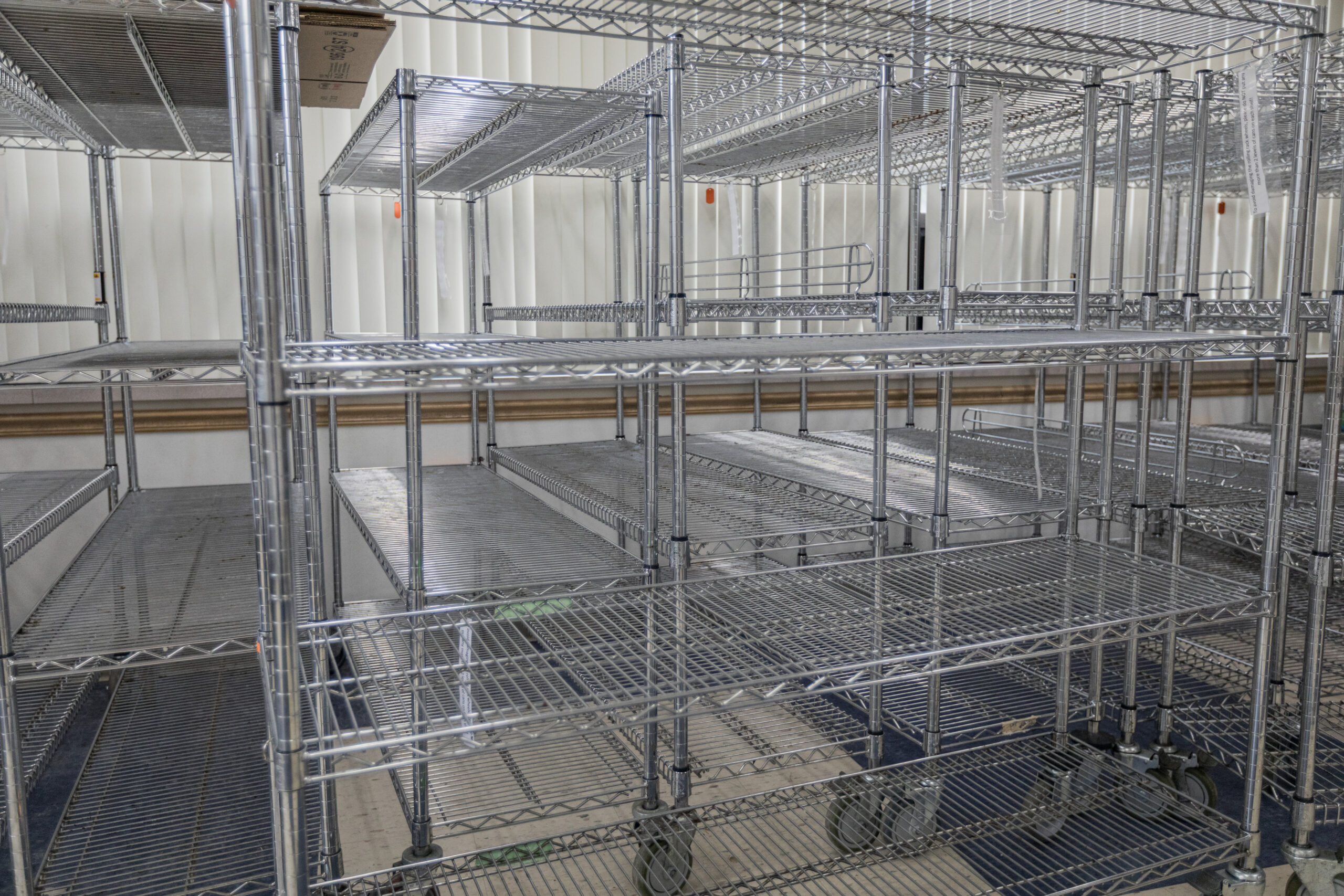
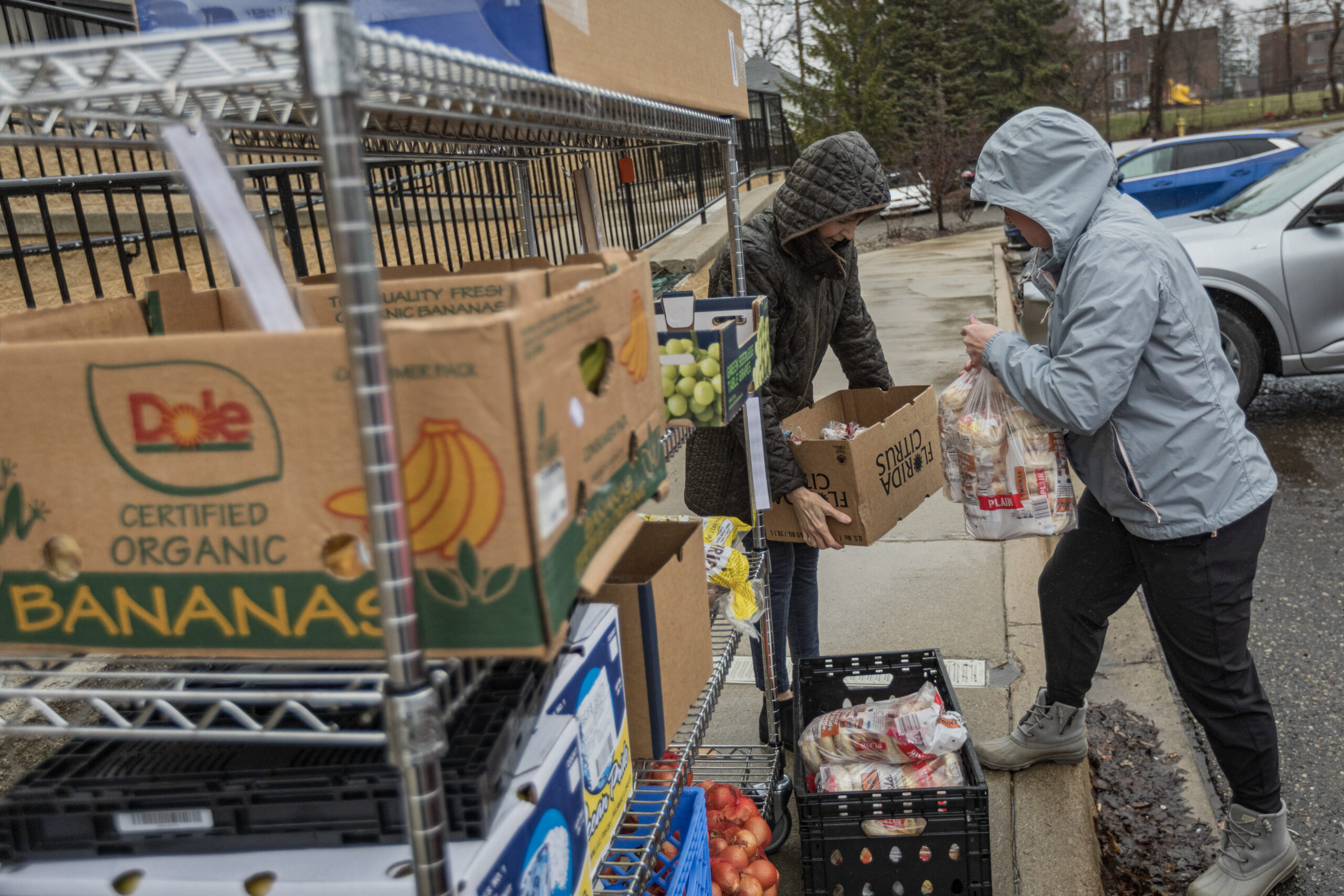
Outside the food pantry, she meets up with two other volunteers who have arrived by car. They begin dividing up the supplies Helterhoff brought in her vehicle. After they bring a rack full of products from the resource center, they start selecting and packing them in their cars. Today, there is plenty of food, and it will be delivered to eight families.
“We had times where the supplies got a little low, so we just try to be careful with what we have and to have multiple streams,” explains Helterhoff. “We also put the word out to community groups that sometimes bring us food and help us out.”
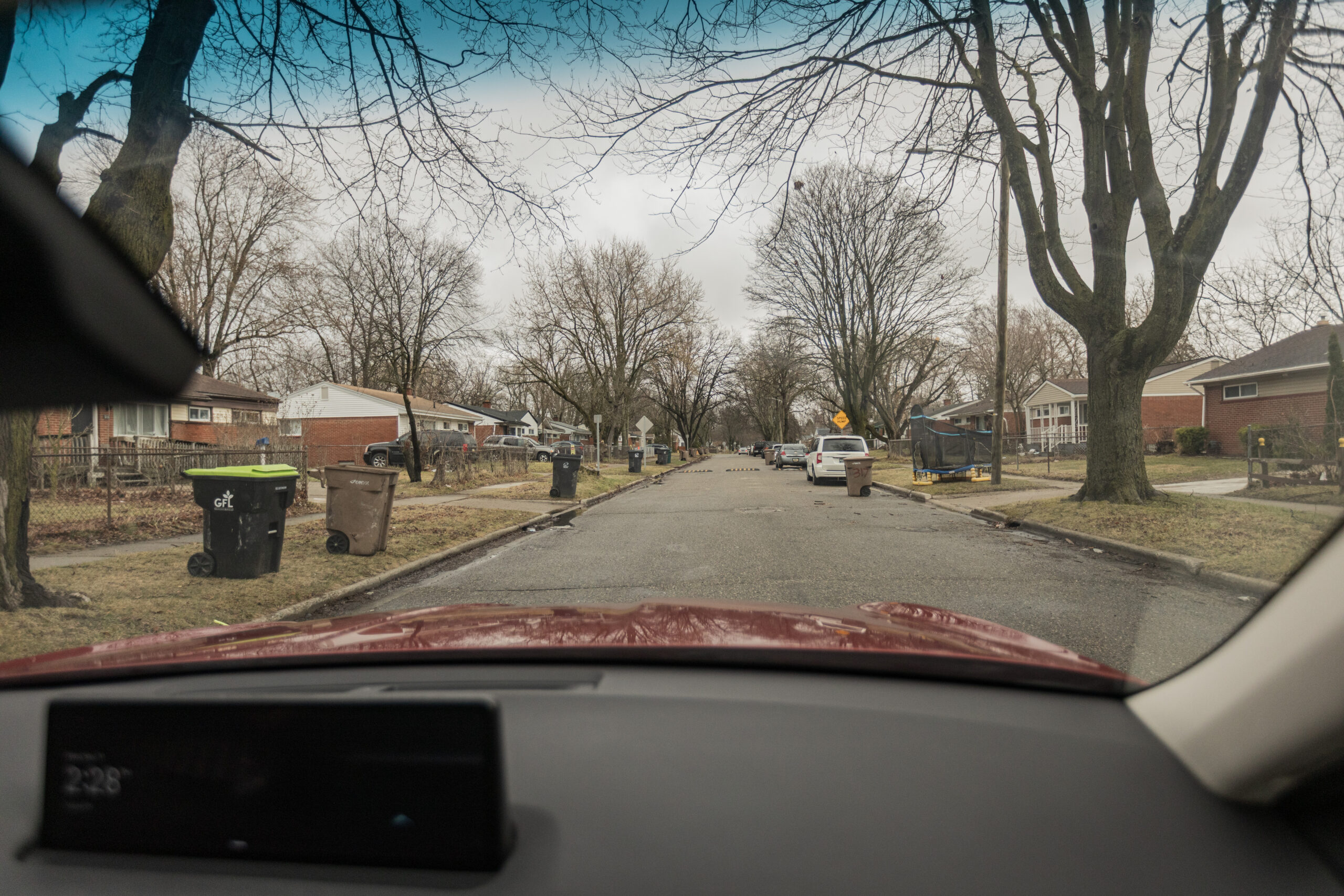
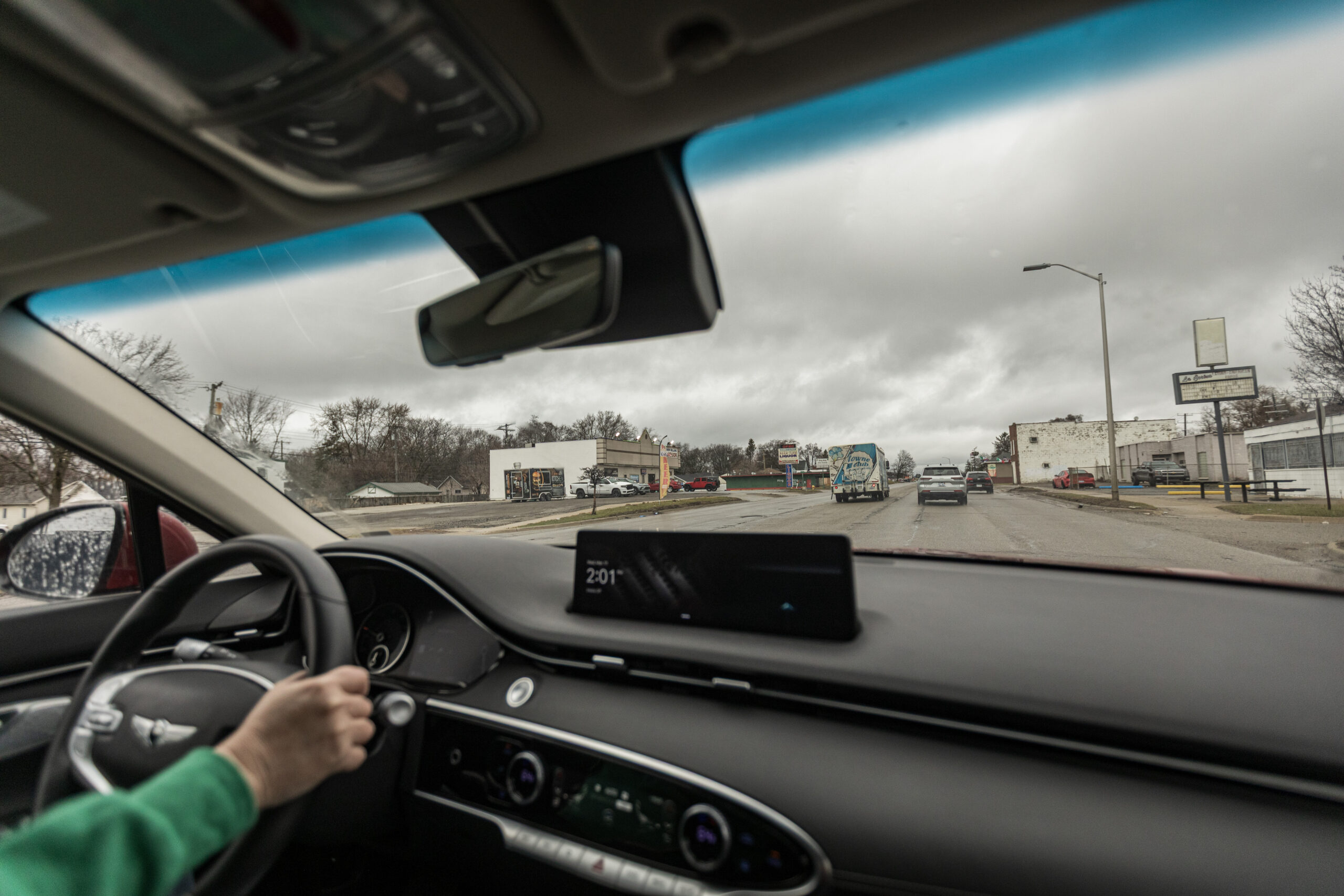
As she drives, she points out the spots where ICE arrests have been spotted most frequently—and where agents tend to patrol most often. These are working-class neighborhoods that, during the automotive boom, housed factory workers—and now house immigrant families; apartment complexes that house groups of immigrants—families, friends, and roommates alike; and trailer parks where roads and small houses are close to each other.
Helterhoff knows these places well. Although she moved from Northern Virginia as a teenager, she has lived in the area for about 30 years. “Now people just don’t go outside,” she says. “And, you know, it is winter, but you don’t see kids walking around. The apartments are now, like, 50 percent occupied. They used to be full.”
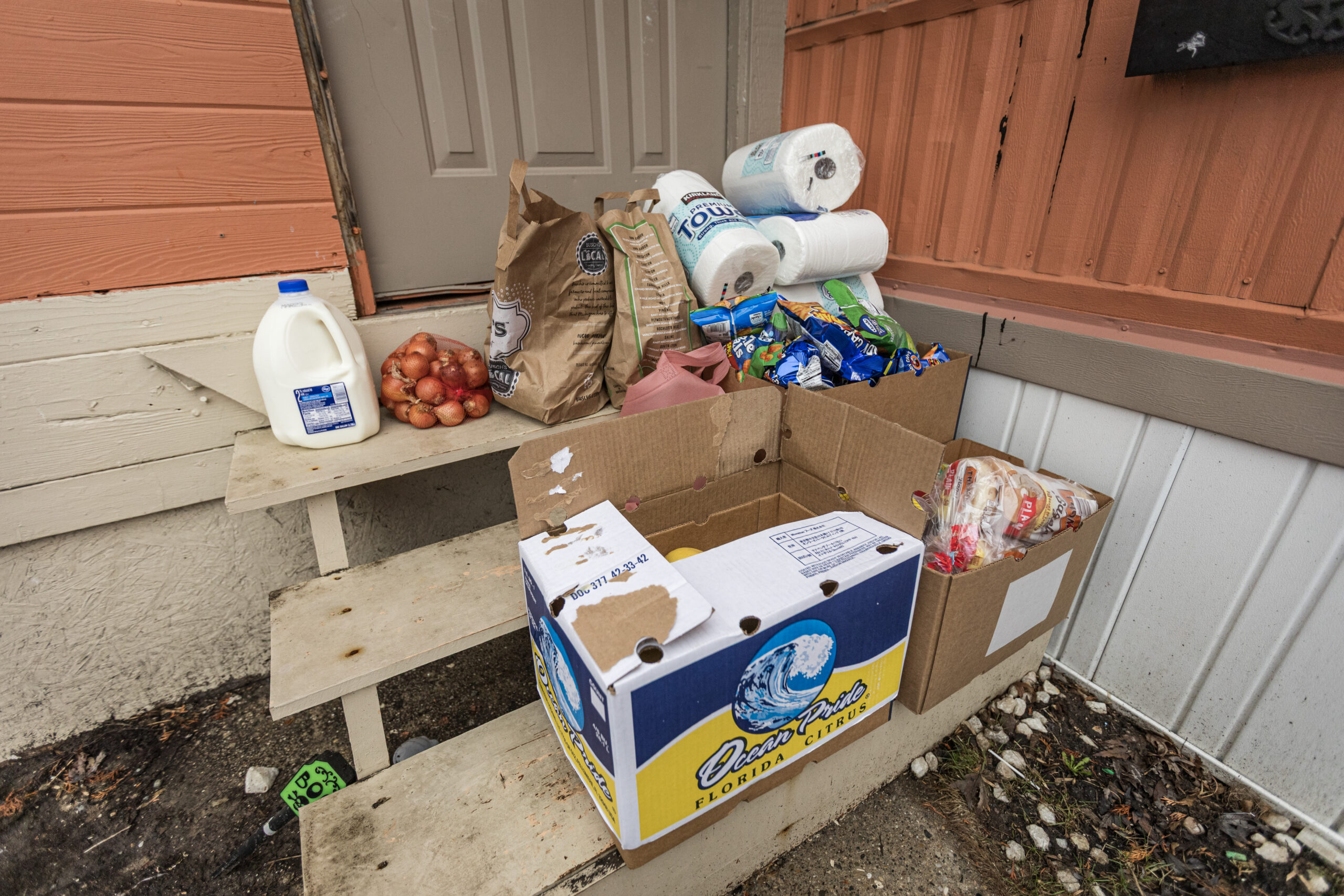
Deliveries in these specific areas are contactless. The number of bags per family is tallied, as some households accommodate more than one group. The bags and boxes are left at the doors, on stairs, or on porches—as appropriate—and a message is left for the family indicating that the groceries have been delivered and the area is clear. Then the car starts up, and volunteers repeat the process.
“It’s taken over my life, but in a way that has given me back a lot,” Helterhoff says. “Because it always seems better to take action than worry about it. This is an immediate connection to my community.
Las cajuelas de los carros están llenas de bolsas, y los asientos traseros igual de cargados. El contenido es variado, pero esencial para todos. Latas de frijoles, bolsas de pan, leche, fruta, toallas de papel, papas y productos de higiene importantes son acomodados por Holly Helterhoff, de 55 años, y otros dos voluntarios en dos autos que recorren su ruta de entregas por distintos distritos de Pontiac, donde la población inmigrante es grande y ha sido “golpeada” por arrestos migratorios. Antes de salir, se abrazan y se desean suerte en el camino.
El objetivo es mantener a los vecinos inmigrantes dentro de sus casas lo más posible, para evitar que sean detenidos por agentes de inmigración o, en otros casos, brindar apoyo a familias cuyos principales proveedores fueron arrestados o deportados, dejándolos sin ingresos para sobrevivir.
“Muchas familias se están separando durante esta ofensiva migratoria”, dice Helterhoff, quien comenzó a repartir alimentos el verano pasado como parte de una red de voluntarios para familias inmigrantes. “La comida se vuelve una forma de dar algo de sustento y también consuelo. La comida es importante, pero la seguridad lo es más.”
La iniciativa nació a principios del verano pasado, impulsada por Community Aid for Empowerment, un grupo comunitario de Pontiac que apoya a familias inmigrantes. Aunque empezó con solo unos cuantos voluntarios y hasta cinco familias por semana, Helterhoff explica que desde octubre del año pasado la demanda aumentó a 30 familias atendidas cada semana. Afortunadamente, la red también ha crecido y ahora cuenta con hasta 20 voluntarios.
Las rutas ya son familiares para la mayoría de quienes participan. Cubren casas, departamentos y casas móviles en barrios latinos donde ICE ha estado muy activo. Arrestos camino al supermercado o de regreso; al sacar dinero en el cajero de Chase en Baldwin Ave; o al salir temprano rumbo al trabajo—en esos dos minutos entre la puerta de la casa y el transporte público—cuando los agentes aparecen de repente.
“A veces recibimos llamadas de emergencia, especialmente cuando alguien acaba de ser detenido y su familia se queda atrás con niños y todo eso”, dice Helterhoff. “Entonces uso la comida que tengo disponible gracias a donaciones, y también tengo que ir a la tienda a comprar lo básico.”
Las familias llegan a esta red por medio de apoyo mutuo en iglesias, de boca en boca, recomendaciones o su línea telefónica, donde también ofrecen atención bilingüe. Los voluntarios van quitando personas de la lista cuando deciden autodeportarse o salir de Michigan por cualquier motivo, mientras otras nuevas se agregan.
Antes de salir, Helterhoff echa un último vistazo a su cochera, más de la mitad ocupada por donaciones de alimentos y productos de higiene que puede almacenar. El carro está listo, pero hoy no usa el suyo; es rentado.
“Para despistar un poco a ICE”, dice. “Mucho de esto es para que nadie me esté siguiendo. No quiero que, sin querer, guiemos a ICE a la casa de alguien.”
Su primera parada será un banco de alimentos local, donde completará la lista con productos frescos como verduras, frutas y pan.
“La mayoría de las familias no califican para food stamps, ya sea por su estatus migratorio o porque prefieren no estar en esas listas por seguridad. Eso las pone en mayor riesgo”, agrega.
Los voluntarios no solo aprenden las rutas a los hogares, también reciben días de capacitación para identificar vehículos de ICE y evitar confrontaciones o ser seguidos. Esta medida se implementó después de la muerte de dos observadores de ICE, Renne Good y Alex Pretty, a manos de agentes federales en Minneapolis a principios de este año.
“He visto actividad de ICE y he cancelado entregas de comida. Y la gente siempre entiende. Dicen: ‘Cuídate, nos vemos mañana, no hay problema’”, cuenta Helterhoff.
Llevar a ICE hasta estas familias porque los estén siguiendo es una de sus mayores preocupaciones.
“Estamos trabajando con una población vulnerable, y no quiero mandar voluntarios a un área donde la gente llama a la línea preocupada por actividad de ICE. Siempre es nuestra prioridad como grupo.”
Afuera del banco de alimentos, se reúne con otros dos voluntarios que llegan en sus autos. Empiezan a dividir los productos que Helterhoff llevó. Después de sacar un carrito lleno de artículos del centro de recursos, seleccionan y acomodan todo en sus vehículos. Hoy hay suficiente comida, y se entregará a ocho familias.
“Ha habido momentos en que los suministros bajan mucho, así que tratamos de ser cuidadosos con lo que tenemos y de contar con varias fuentes”, explica Helterhoff. “También pedimos apoyo a grupos comunitarios que a veces nos traen comida y nos ayudan.”
Mientras conduce, señala los lugares donde más se han reportado arrestos de ICE y donde los agentes suelen patrullar con mayor frecuencia. Son barrios de clase trabajadora que, durante el auge automotriz, albergaban a trabajadores de fábricas, y ahora a familias inmigrantes; complejos de apartamentos donde viven grupos de inmigrantes—familias, amigos y compañeros de vivienda—y parques de casas móviles donde las calles y las viviendas están muy cerca unas de otras.
Helterhoff conoce bien estas zonas. Aunque se mudó desde Northern Virginia cuando era adolescente, ha vivido en el área por unos 30 años.
“Ahora la gente ya casi no sale”, dice. “Y sí, es invierno, pero ya no ves niños en la calle. Los apartamentos están como a un 50% de ocupación. Antes estaban llenos.”
Las entregas en estas áreas se hacen sin contacto. Se cuenta el número de bolsas por familia, ya que algunas casas albergan a más de un grupo. Las bolsas y cajas se dejan en la puerta, en las escaleras o en el porche, según corresponda, y se envía un mensaje avisando que la despensa ya llegó y que el área está libre. Luego el carro arranca y el proceso se repite.
“Esto se ha vuelto toda mi vida, pero de una manera que también me ha dado mucho de regreso”, dice Helterhoff. “Porque siempre se siente mejor hacer algo que quedarse preocupado. Esto es una conexión directa con mi comunidad.”