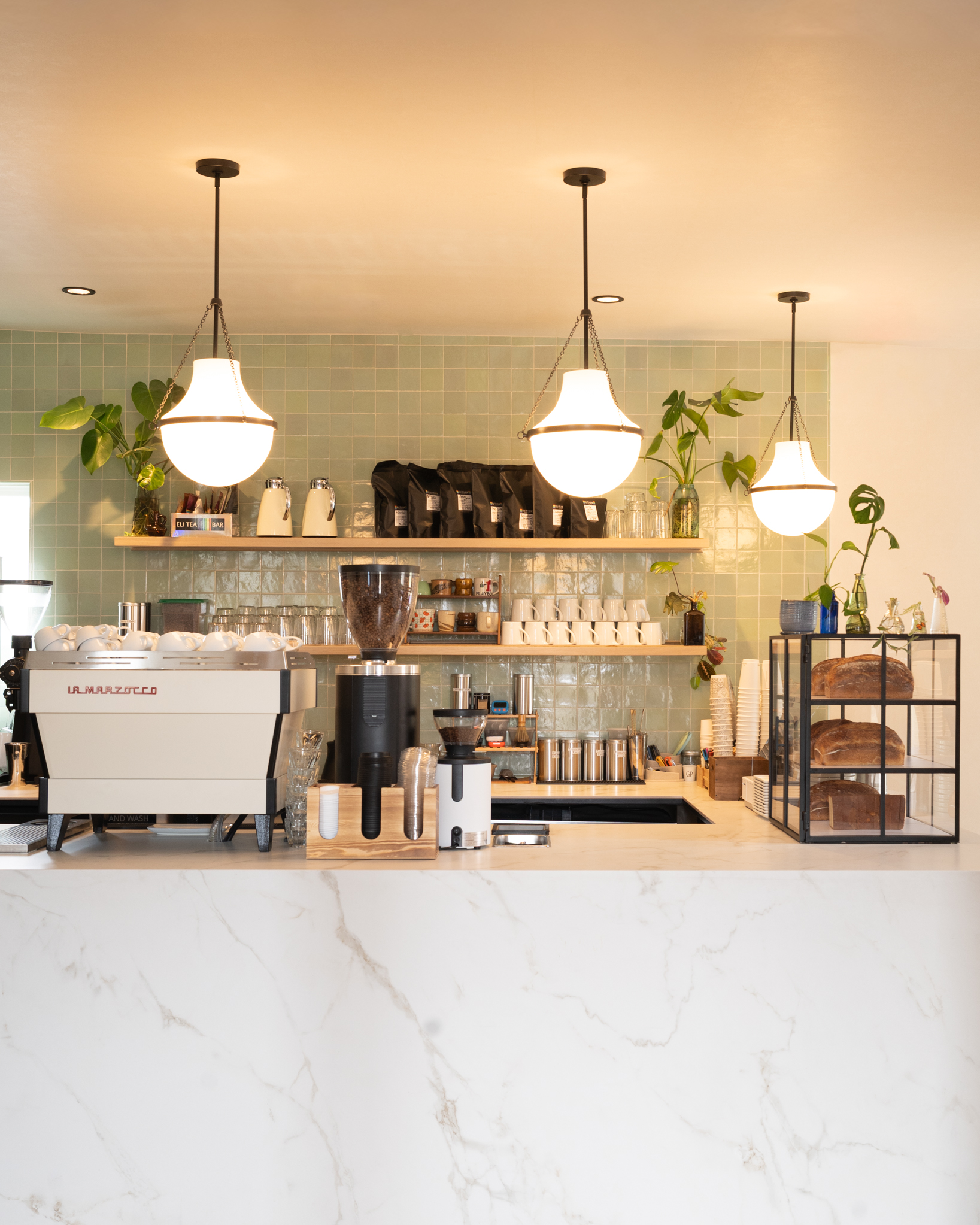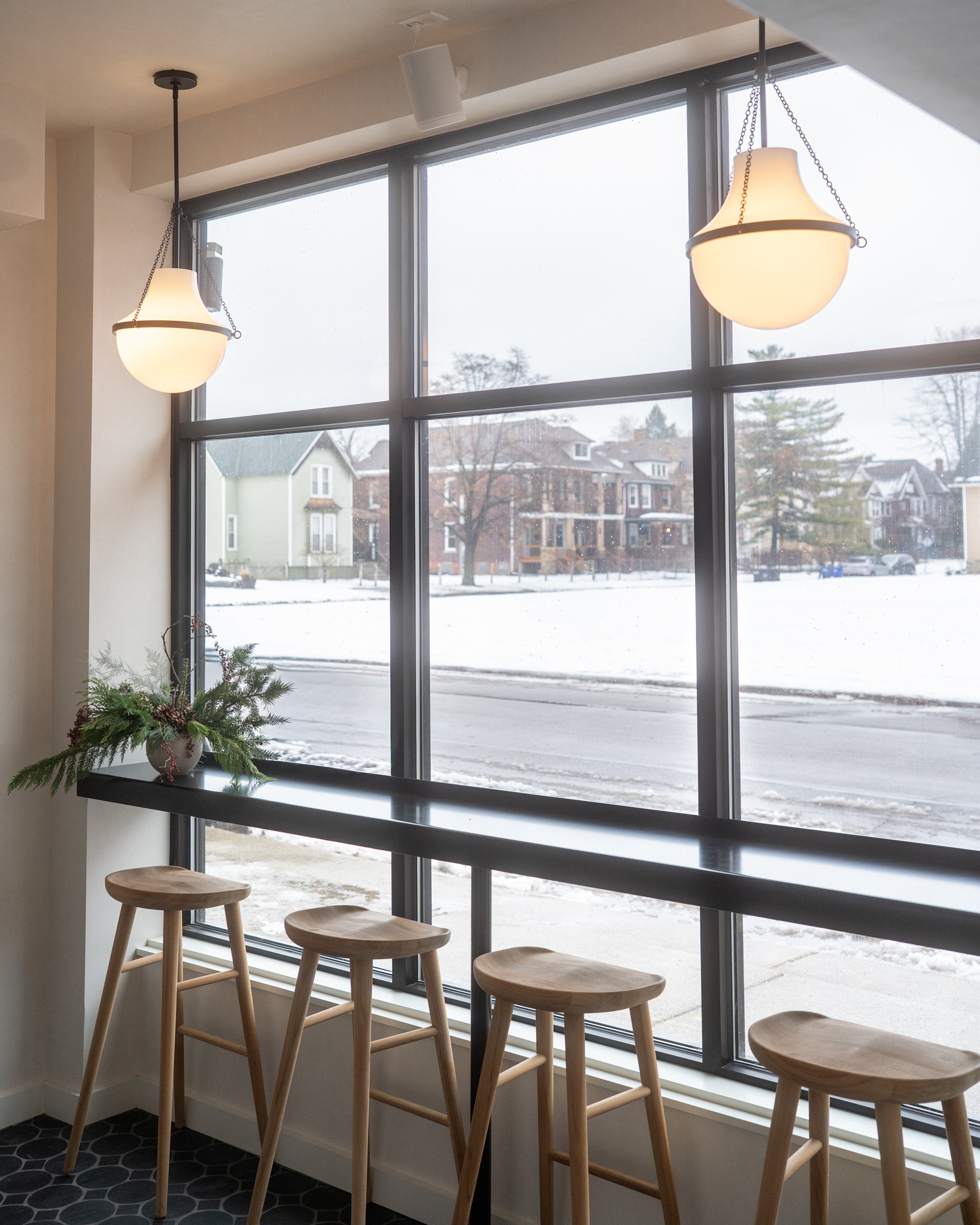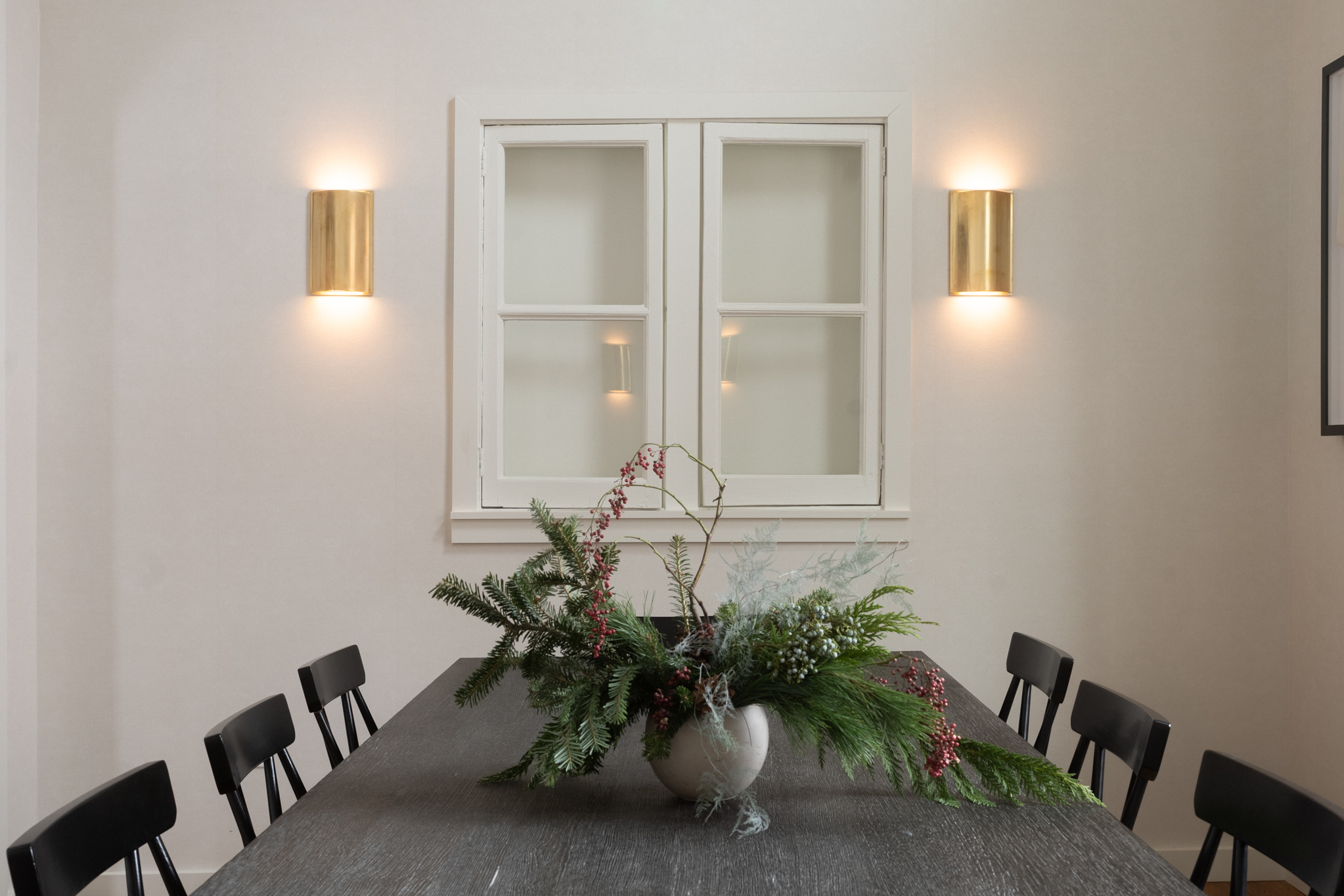
















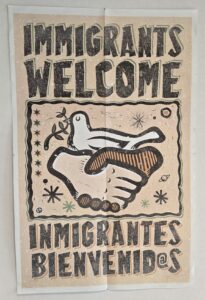
Outside was overcast and balmy, but inside the Grand Porter, neighborhood chatter, Sly and the Family Stone over the speakers, and the smell of the soup of the day defined the space. The atmosphere is deliberately unpolished, but everything is in its proper place, with a communal table, beautiful wood floors, natural lighting, and a “Immigrants Welcome” poster at the corner of a corridor along W. Grand Blvd. known for its Mexican heritage—and it feels like home.
Located at 3620 Porter St, this is not a modern cafe; it is an intentional act of preservation. While many areas of Detroit face the rapid, often sterile face of gentrification, The Grand Porter takes a different path. The shop, housed in a nearly century-old restored building, serves as a bridge between Detroit’s storied past and Southwest Detroit’s future.
For the married couple and owners, Devon and Louisa Caldwell, opening a business in Southwest Detroit came with big responsibility. Originally from a Texas ranch bordering Mexico, the Caldwells moved to Detroit and settled in the community, aware of the skepticism that outsiders face. She feels it’s important to acknowledge the city’s history of change, especially as a non-native.
“I grew up on a ranch on the Mexican border [in Texas]; everything was completely different than here. But my mom loves hockey, so she’s so excited that we have a hockey rink in our neighborhood at Clark Park,” Louisa said.
“It’s important to acknowledge that [unsteady history of change in Detroit], especially as someone like myself, who’s not from here. We love the connectivity and the community here. The people in this neighborhood—I know 90% of my neighbors on the entire street by first name, and that’s the community part.”
When she and her husband bought the building, its tar-brick facade hid its true character. After months of restoration, Louise says the past owners’ vision for a coffee shop has “simply become a reality”.
The Caldwell’s approach to the building mirrors the engagement with the community, seeking authenticity by restoring what was already there. She acknowledges calls for affordable housing, noting the building’s long vacancy. Listening to the neighborhood’s concerns, they offer a 10% discount to local residents and distribute flyers to prioritize them.
The shop has already received a warm welcome from the neighborhood, and owners of the legendary Mexicantown Bakery further down W. Vernor, who helped create the “Mexicantown” identity, have been vocal supporters.

Louisa notes that they have been incredibly supportive, frequently reposting The Grand Porter’s updates on social media. That cross-business solidarity speaks to the soul of the neighborhood.
This commitment to neighborhood integrity extends to the staff, including Annabelle Martinez, a barista who moved to Detroit from Indiana but was born in Puerto Vallarta, Mexico.
Martinez, one of three staff members fluent in Spanish, affirms the shop’s connection to the local community.
“One thing about Detroit that I love is its welcoming people. It feels like home,” Martinez says.
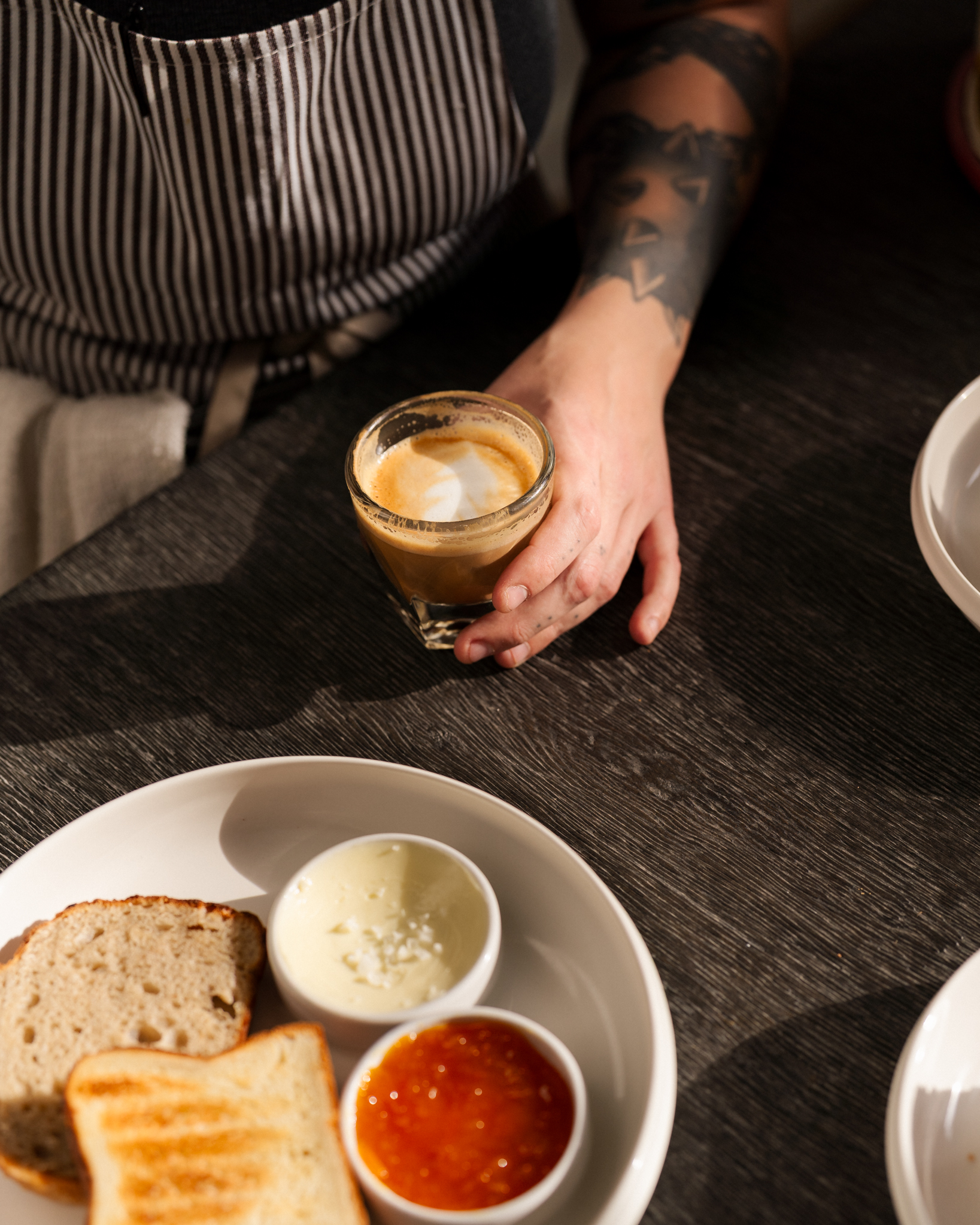
She recently introduced a Coconut Piloncillo syrup, which has since become a customer favorite. Other traditional flavors, like chilaquiles, are planned to be added to the menu to suit local tastes.
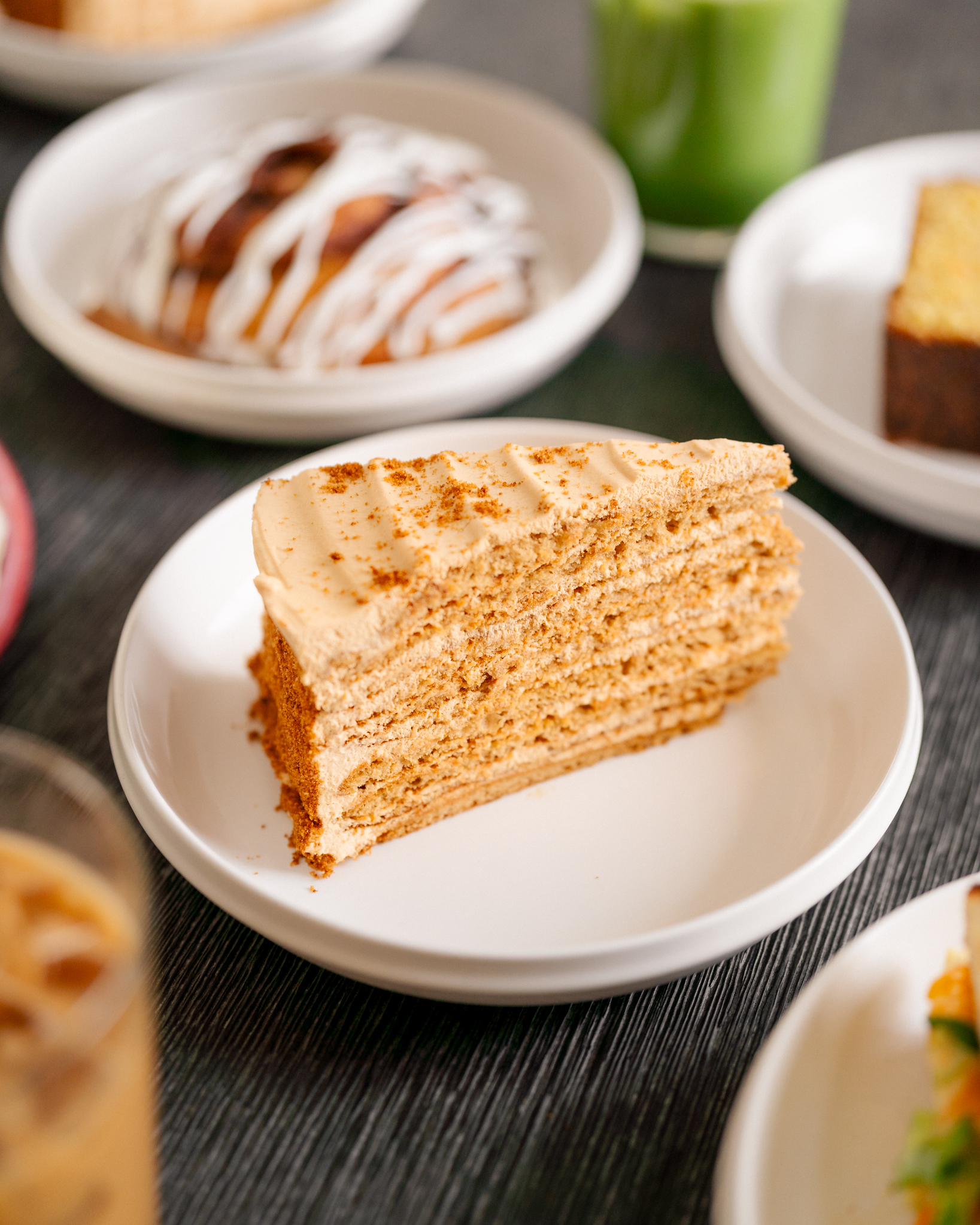
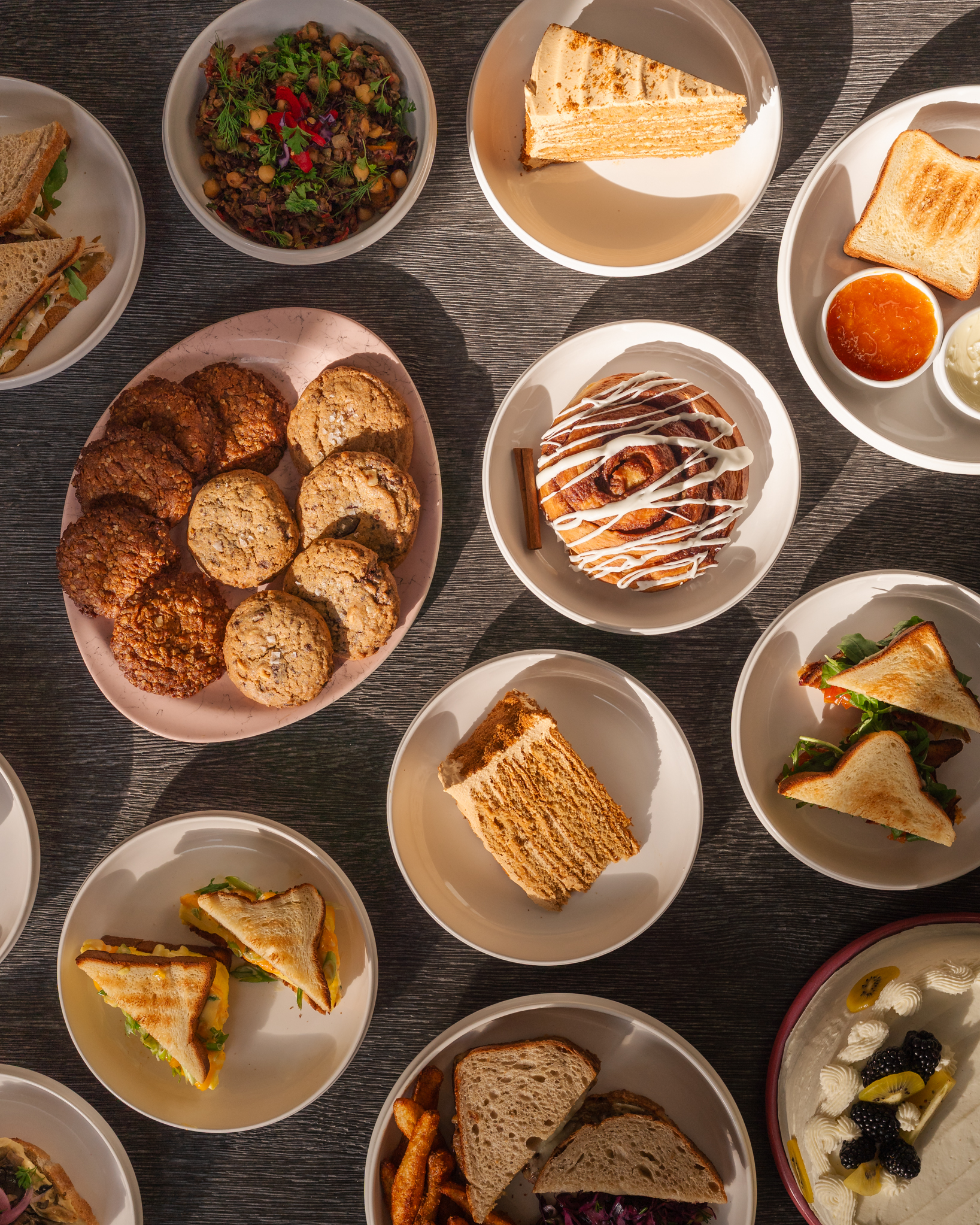
This culinary direction is overseen by Executive Chef Lou Hammer, who brings 15 years of experience from her family’s legacy bakery. Hammer’s mission is focused on accessibility, maintaining a tiered pricing strategy that offers $1 pastries alongside higher-end items. The goal is to ensure a neighbor can grab a vegan granola bar and a coffee for under or around $5 dollars.
“It’s about utilizing what is in-house and partnering with local providers like Stoney Creek Mushrooms to keep the integrity of the plate,” Hammer explains.
When asked about favorites, a deliciously difficult decision, she points to the Root Veg Hash, a hearty dish with crispy potatoes and turmeric-chili mayo, as a standout that balances comfort with fresh, seasonal produce.
As the morning progresses, the “vibe” the staff describes becomes even more apparent. The shop isn’t just a place for transactions; it’s a “third space.“
As Louisa is telling EL CENTRAL one of her favorite stories about a local mail carrier who recently delivered a package, and came back specifically for her lunch break because the space felt approachable, an elderly couple walks in to order their daily coffee. Lousia pauses the interview to warmly greet the regulars; they share hugs and pleasantries.
“It is these small moments of connection that define the shop’s success more than any sales metric could,” she said.
Looking toward the warmer months, the team is excited to see the space “blossom.” There are plans for community events in the adjacent lot, “Sandwich Parties,” and fundraisers for local organizations, such as street medicine clinics. These intentional efforts prove growth doesn’t have to come at the expense of heritage or affordability.
The Grand Porter is proving that it isn’t trying to reinvent Southwest Detroit, but adding value to the already beautiful landscape it has always earned. The building reflects the heart of the barrio; history isn’t just something in a textbook or a lost memory; it’s something you can sit in, sip from, and preserve for the next generation.
Afuera estaba nublado y templado, pero adentro de The Grand Porter el ambiente se definía por las pláticas del barrio, la música de Sly and the Family Stone sonando en las bocinas y el aroma de la sopa del día. La atmósfera es intencionalmente sencilla, sin pretensiones, pero todo está en su lugar: una mesa comunitaria, pisos de madera, luz natural y un cartel de “Immigrants Welcome” en una esquina del pasillo sobre W. Grand Blvd., una zona conocida por su herencia mexicana. Y se siente como casa.
Ubicado en 3620 Porter St, este no es un café moderno cualquiera; es un acto intencional de preservación. Mientras muchas zonas de Detroit enfrentan el avance rápido y a veces frío de la gentrificación, The Grand Porter toma otro camino. El local, dentro de un edificio restaurado de casi un siglo, funciona como un puente entre el pasado lleno de historia de Detroit y el futuro de Southwest Detroit.
Para el matrimonio y dueños, Devon y Louisa Caldwell, abrir un negocio en Southwest Detroit implicaba una gran responsabilidad. Originarios de un rancho en Texas, cerca de la frontera con México, los Caldwell se mudaron a Detroit y se establecieron en la comunidad conscientes del escepticismo que muchas veces enfrentan quienes vienen de fuera. Louisa reconoce la importancia de entender la historia de cambios en la ciudad, especialmente como alguien que no es originaria de aquí.
“Crecí en un rancho en la frontera con México, en Texas; todo era completamente distinto a aquí. Pero a mi mamá le encanta el hockey, así que está feliz de que tengamos una pista en nuestro barrio en Clark Park,” dijo Louisa.
“Es importante reconocer esa historia de cambios en Detroit, especialmente como alguien como yo, que no es de aquí. Nos encanta la conexión y el sentido de comunidad. La gente en este barrio… conozco al 90% de mis vecinos por su nombre, y eso es lo que hace comunidad.”
Cuando ella y su esposo compraron el edificio, su fachada de ladrillo cubierto ocultaba su verdadero carácter. Después de meses de restauración, Louisa dice que la visión de los dueños anteriores de tener una cafetería “simplemente se hizo realidad”.
El enfoque de los Caldwell con el edificio refleja también su relación con la comunidad: buscar autenticidad restaurando lo que ya existía. Louisa reconoce las preocupaciones sobre vivienda asequible y el hecho de que el edificio estuvo vacío por mucho tiempo. Escuchando al vecindario, ofrecen un 10% de descuento a residentes locales y reparten volantes para darles prioridad.
El negocio ya ha recibido una cálida bienvenida del barrio, incluyendo el respaldo de los dueños de la histórica Mexicantown Bakery en W. Vernor, quienes ayudaron a formar la identidad de “Mexicantown”.
Louisa comenta que han sido increíblemente solidarios, compartiendo con frecuencia actualizaciones de The Grand Porter en redes sociales. Esa solidaridad entre negocios habla del espíritu del barrio.
Ese compromiso con la comunidad también se refleja en el equipo, como Annabelle Martínez, barista que llegó a Detroit desde Indiana pero nació en Puerto Vallarta, México.
Martínez, una de tres personas del personal que hablan español, reafirma la conexión del café con la comunidad local.
“Una de las cosas que más me gusta de Detroit es su gente, lo acogedora que es. Se siente como casa,” dice Martínez.
Recientemente introdujo un jarabe de coco con piloncillo que se ha convertido en uno de los favoritos de los clientes. También planean agregar sabores tradicionales como chilaquiles al menú, pensados para el gusto local.
Esta dirección culinaria está a cargo de la chef ejecutiva Lou Hammer, quien aporta 15 años de experiencia de la panadería familiar. Su enfoque está en la accesibilidad, con una estrategia de precios que incluye productos desde $1 junto con opciones más elaboradas. La meta es que cualquier vecino pueda comprar una barra de granola vegana y un café por alrededor de $5.
“Se trata de aprovechar lo que tenemos aquí y colaborar con proveedores locales como Stoney Creek Mushrooms para mantener la integridad de cada platillo,” explica Hammer.
Al hablar de favoritos —una decisión nada fácil— señala el Root Veg Hash, un platillo abundante con papas crujientes y mayonesa de cúrcuma con chile, como una opción destacada que combina lo reconfortante con ingredientes frescos de temporada.
Conforme avanza la mañana, el “ambiente” que describe el equipo se vuelve aún más evidente. El café no es solo un lugar de consumo; es un “tercer espacio”.
Mientras Louisa le cuenta a EL CENTRAL una de sus historias favoritas —sobre un cartero local que regresó en su hora de comida porque el lugar le pareció acogedor— entra una pareja mayor a pedir su café de todos los días. Louisa hace una pausa para saludarlos con cariño; intercambian abrazos y palabras amables.
“Son esos pequeños momentos de conexión los que definen el éxito del lugar, más que cualquier cifra de ventas,” dijo.
De cara a los meses más cálidos, el equipo espera ver cómo el espacio “florece”. Hay planes para eventos comunitarios en el terreno contiguo, “Sandwich Parties” y actividades para recaudar fondos para organizaciones locales, como clínicas de medicina comunitaria. Estos esfuerzos muestran que el crecimiento no tiene que darse a costa de la historia o la accesibilidad.
The Grand Porter demuestra que no busca reinventar Southwest Detroit, sino aportar valor a un entorno que ya es fuerte y lleno de vida. El edificio refleja el corazón del barrio; la historia no es solo algo que se lee en libros o se recuerda—es algo que se vive, se comparte y se preserva para la próxima generación.