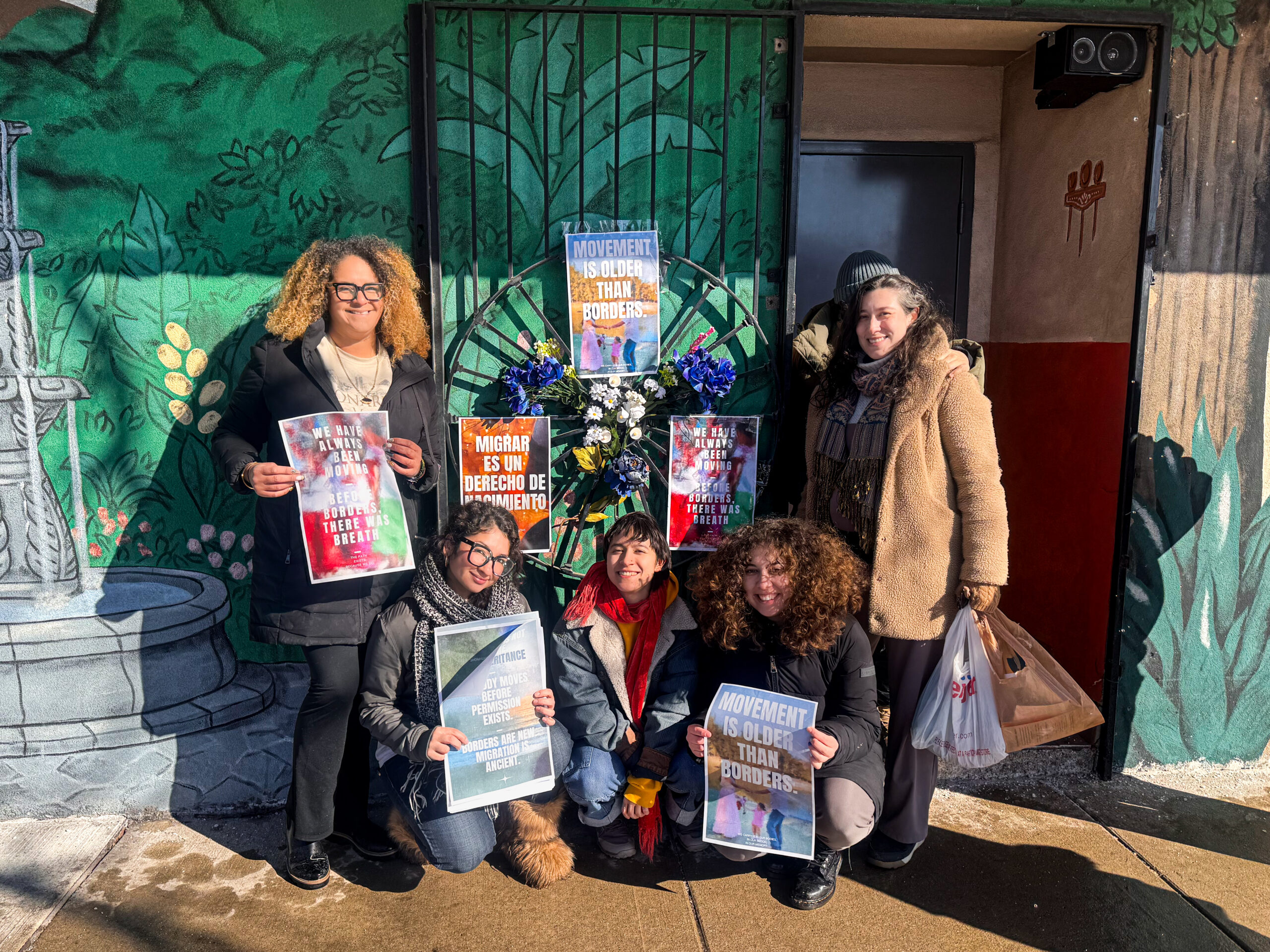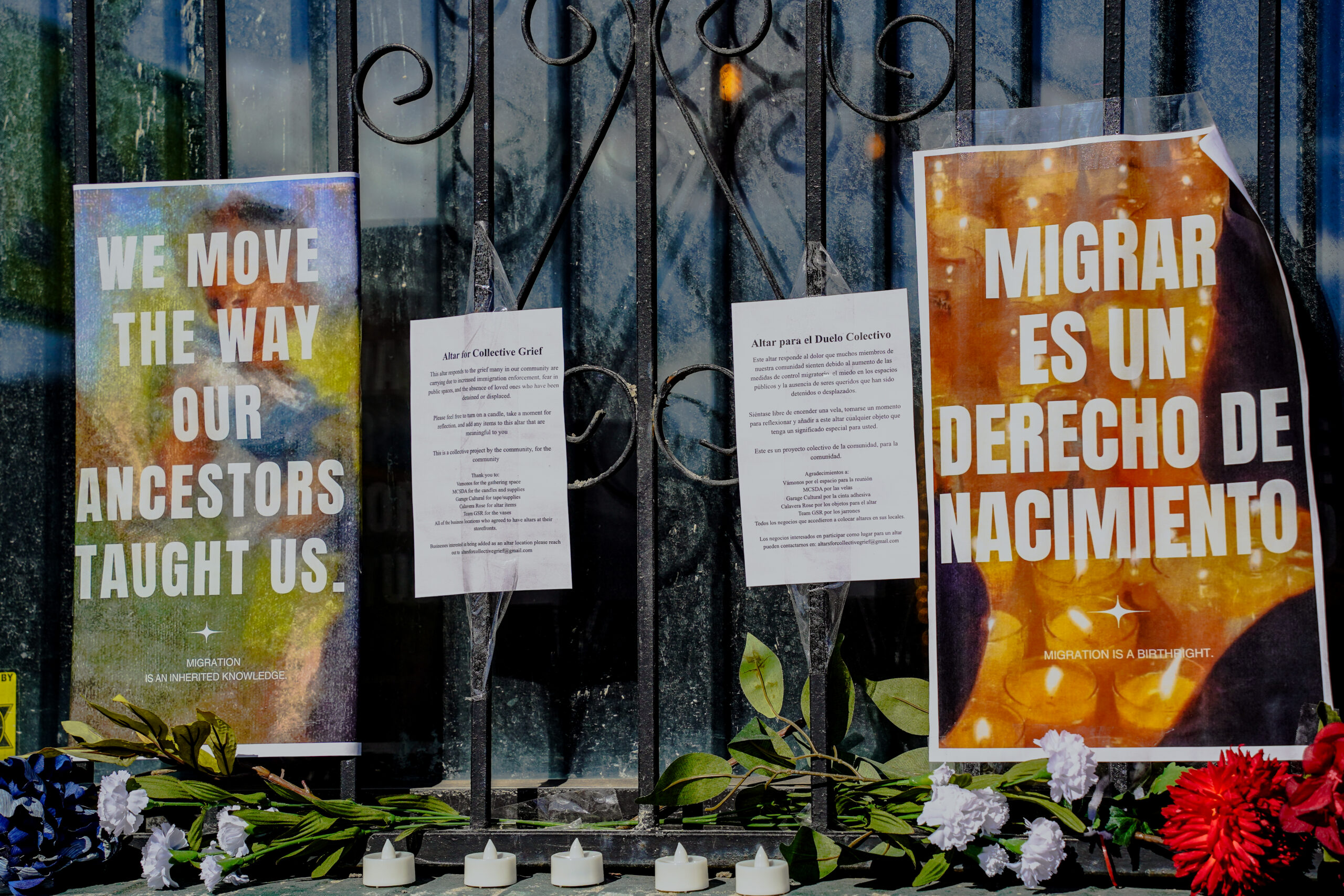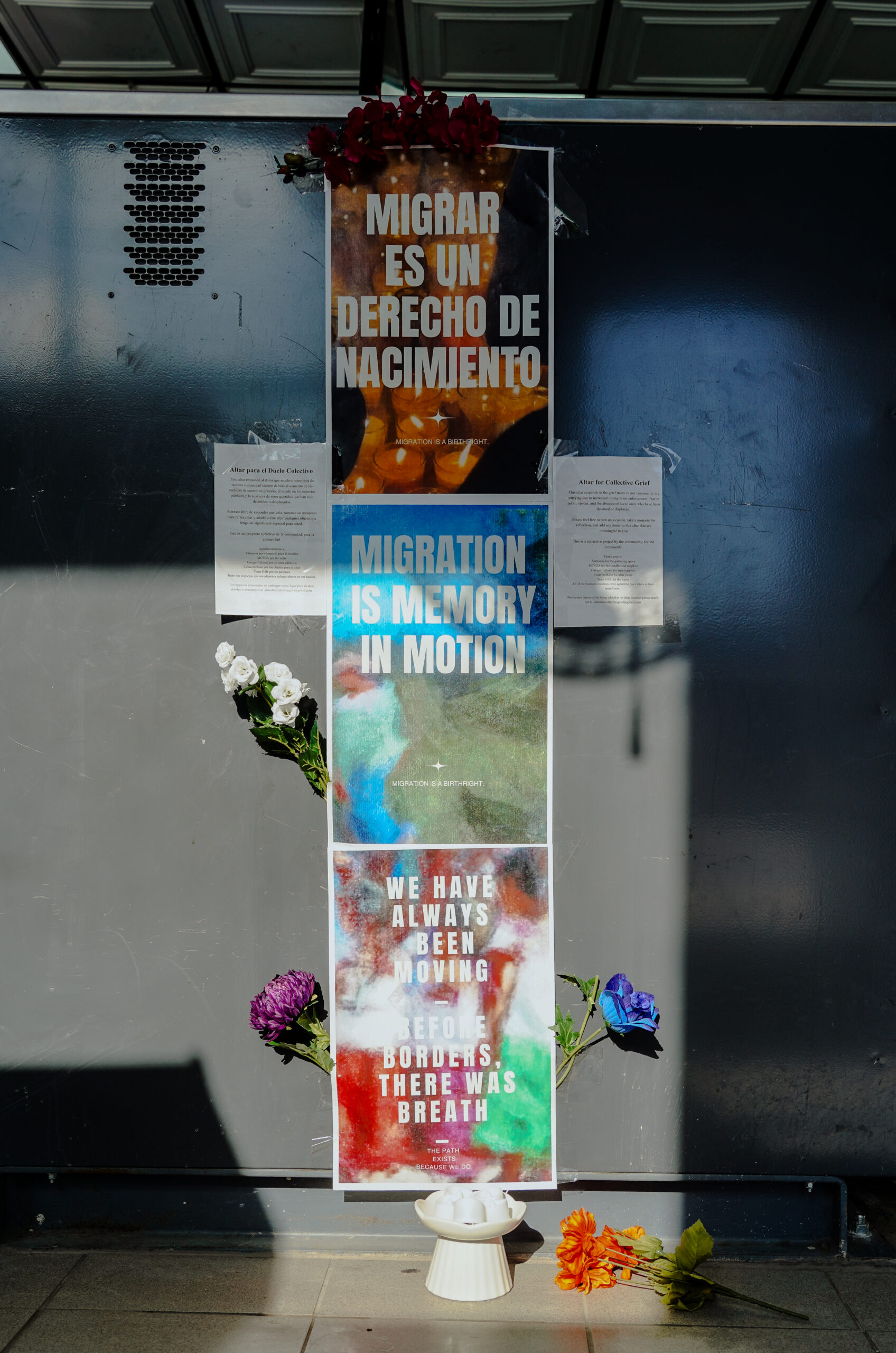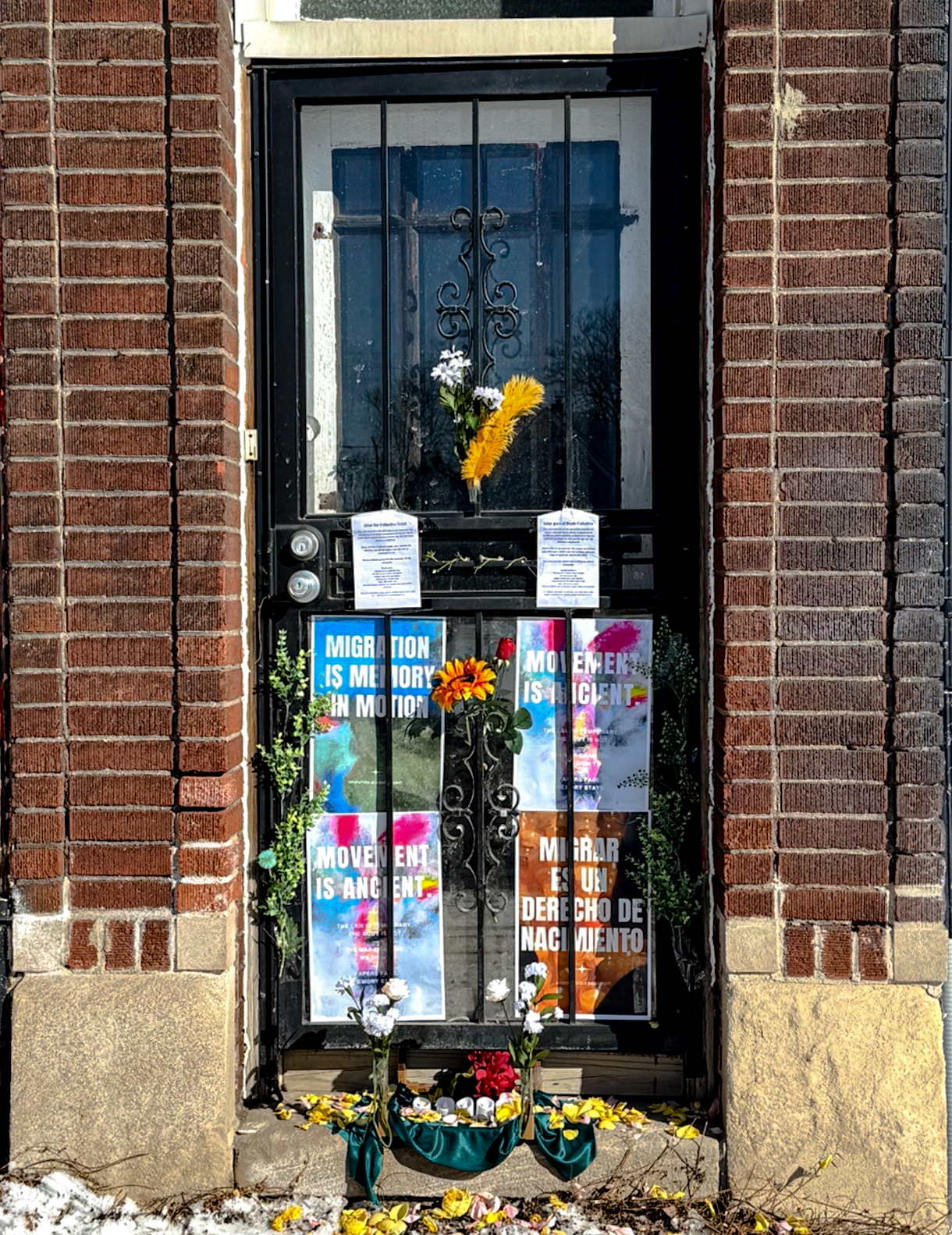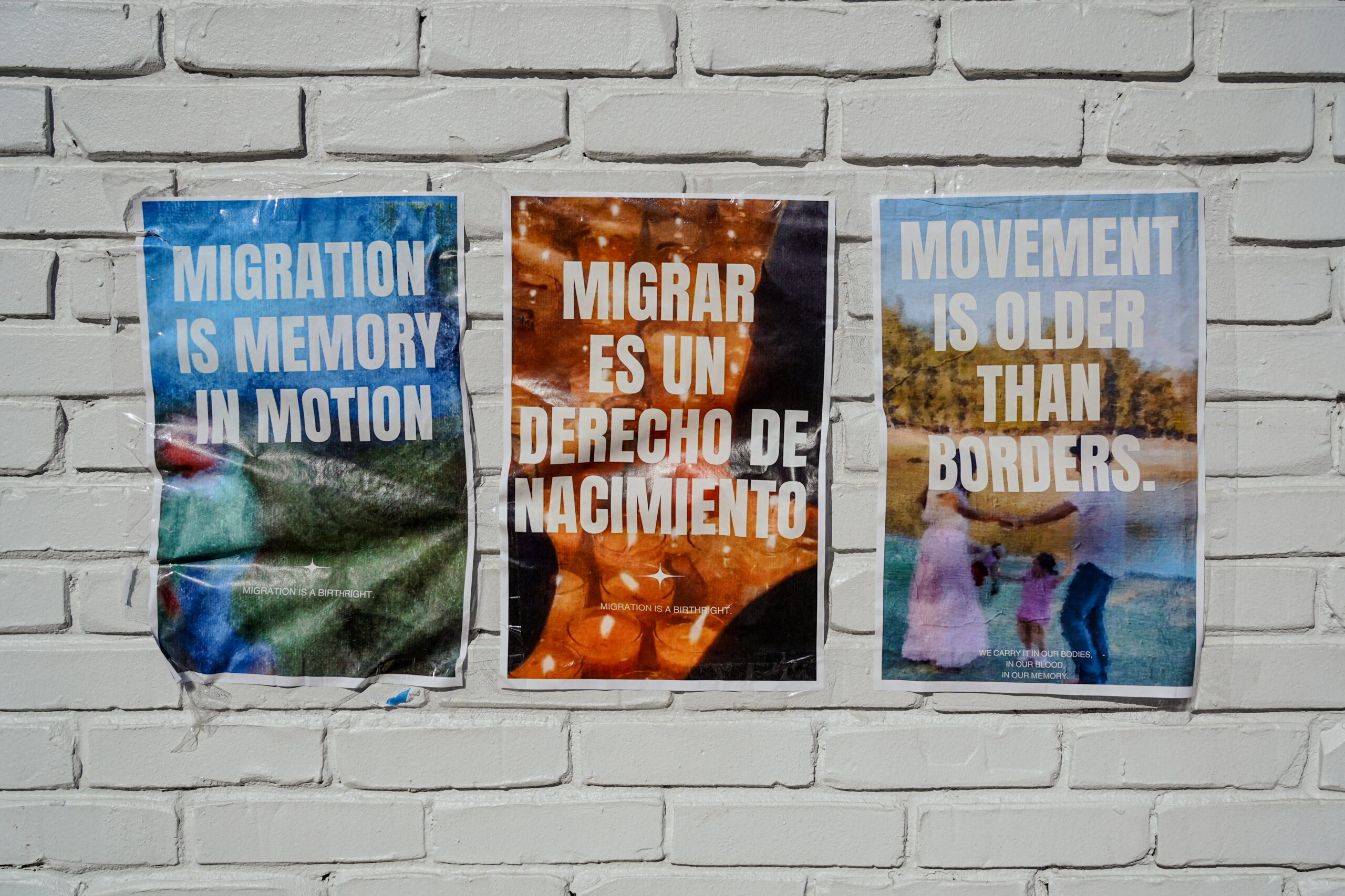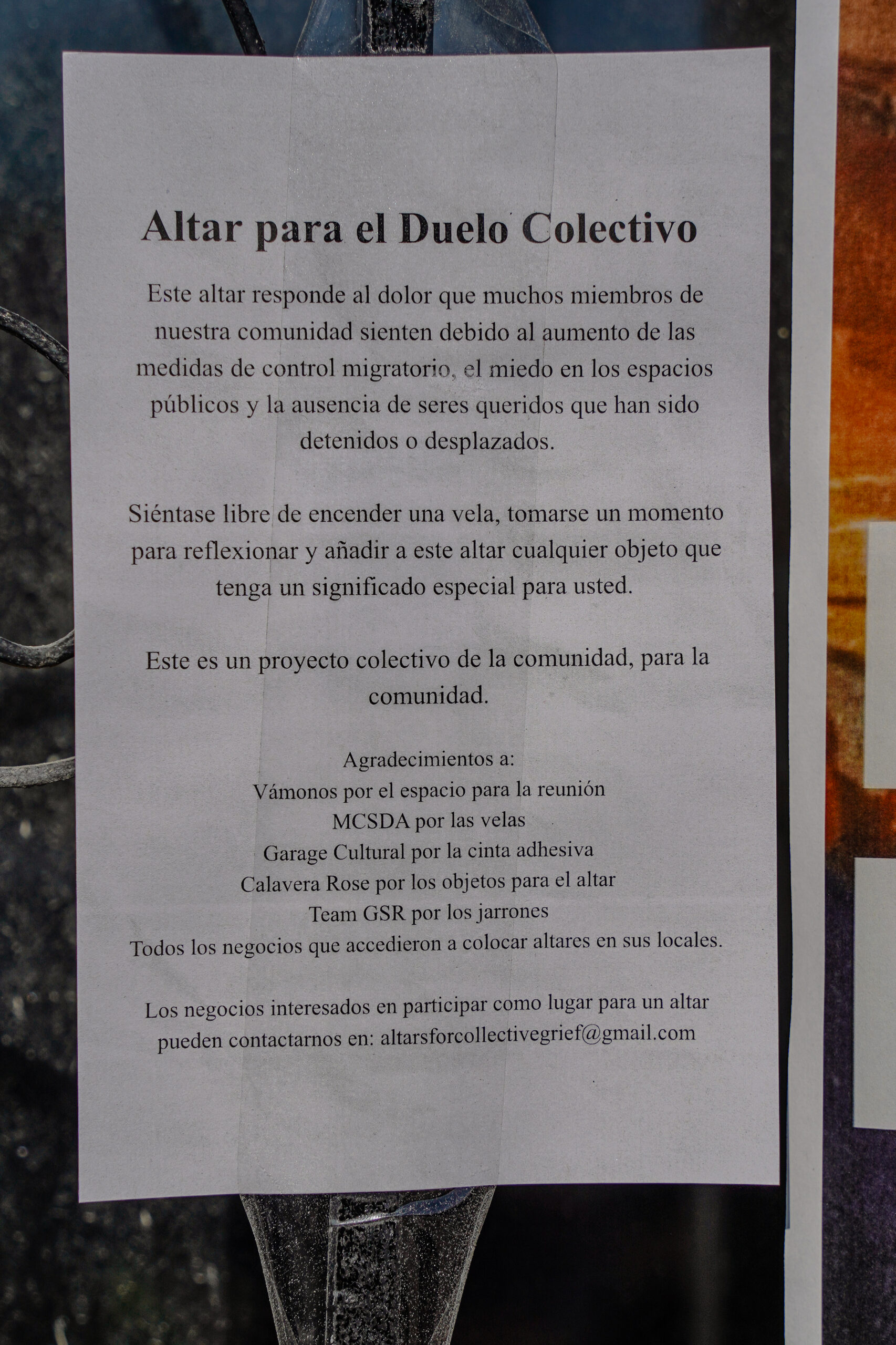






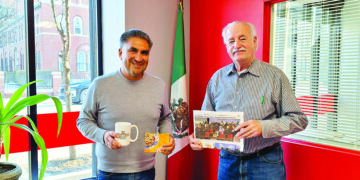

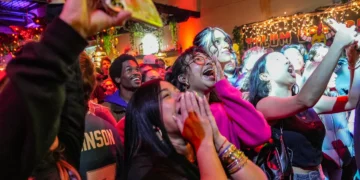


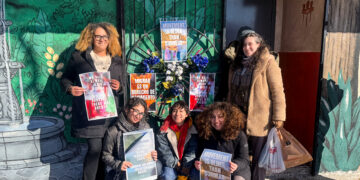
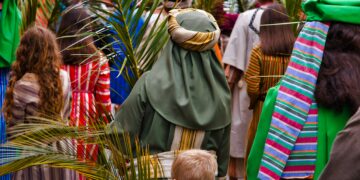
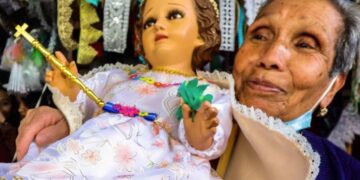


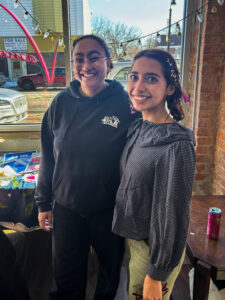
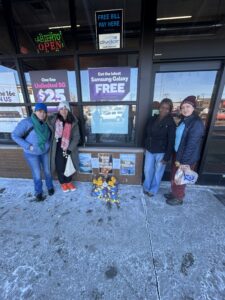
On Sunday, February 1st, approximately 30 local community members, friends and strangers, came together to bring Altars for Collective Grief to life, a series of art installations inspired by the idea of creating a communal space to honor the grief experienced by the Latino community due to the impact of deportations and ongoing immigration issues.
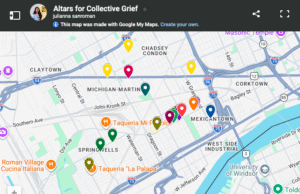
The project was started in December 2025 by hospice social worker Theresa Beckley-Amaya along with co-founder and artist Julianna Sanroman Rojas. With support from small businesses and local organizations, volunteers were able to collect supplies and install 24 altars throughout parks, restaurants, and other local businesses across Southwest Detroit.
Grief is most often talked about in the general terms of death, but that isn’t where the conversation ends. Disenfranchised grief, like that associated with deportation, is rarely spoken about or given the same care as grief associated with death. As a result, it often leaves people feeling ashamed, isolated, and confused on how to deal with it. “You are used to having a family member around and all of a sudden that family member is no longer physically here,” Beckley-Amaya says. “You’re absolutely going through a grieving process.”
Grieving is typically understood as a private experience that you deal with alone, but practices such as Dia de Los Muertos show that it doesn’t have to be. “You realize how much of that isn’t personal grief,” says Sanroman Rojas. “This work isn’t just about me, these issues aren’t just mine alone.”
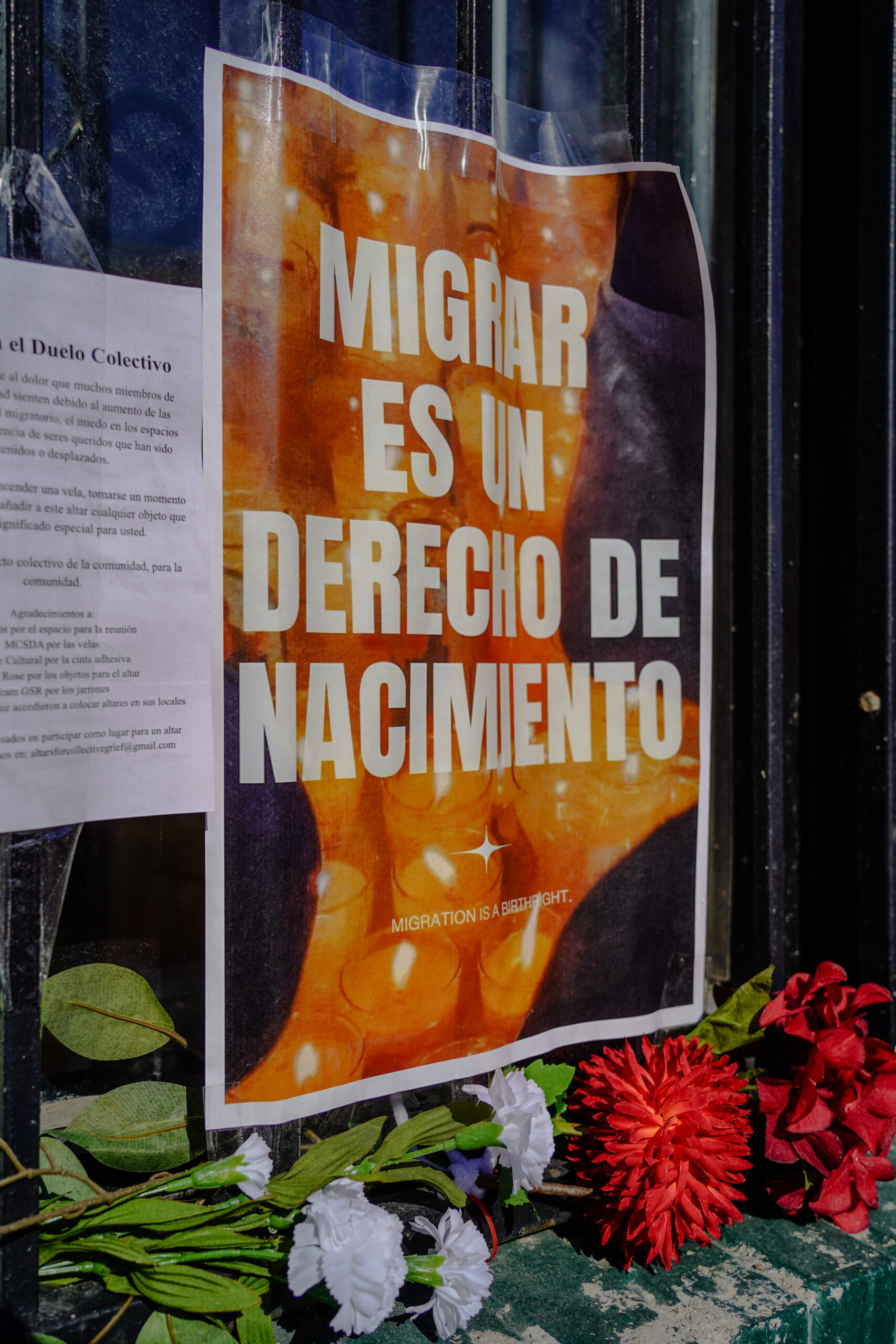
The idea of an altar is not just specific to the Latino community. Similar practices exist across cultures worldwide. These traditions display the benefits of collective healing through the support of one’s community. For the project’s co-creators, it was crucial that grief related to deportation and immigration be brought to light in a visual, tangible way.
Beckley-Amaya explains, “That’s why we have funerals, memorials, right? Vigils. So that is kind of where the idea for the altar came from for collective grief, because it was not only a very visual thing that you can see as you’re driving or walking through the community, you can see these up and know that someone is there acknowledging the pain and the suffering that you’re going through.” She added, “even if you don’t have a family member that’s deported, (they could be) just living in fear of it”.
With immigration issues at the forefront under the Trump administration, the need for community support is now more pressing than ever. The altars are more than just the physical structures themselves, but about giving many people who feel hopeless the agency to do something to be connected and feel validated in their grief.
“There is so much out of our day-to-day control when it comes down to these immigration issues and these fears,” Sanroman Rojas said.“ So when you can switch the narrative a bit, it was beautiful to see.”
Beckley-Amaya and Sanroman Rojas hope to continue this project with the help of volunteers and plan to do another installation closer to the spring. They aim not only to expand their reach throughout Detroit, but also to other cities across Michigan as the project grows.
Those interested in supporting the project and their mission can volunteer for the spring installation by signing up on their website or donating altar supplies at the Vamonos! drop box. Businesses interested in having an altar of their own can reach out through the email listed on the project’s website.
Organizations that helped with supplies and other collaborations include Vamonos! (gathering space), Motor City Street Dance Academy (candles and supplies), Garage Cultural (tape/supplies), Calavera Rose (altar items), Sanos Southwest (altar items) and Team Gabriela Santiago-Romero (vases).
Altar supply donation list needs:
- Electric tea candles
- Fake or dried flowers
- Vases or candle stands
- Fabric
- Packing tape
- Small pallets for altar bases
To get involved or show your support, email altarsforcollectivegrief@gmail.com or visit
https://www.altarsforcollectivegrief.com/
******
Luciana Vega is a photojournalist with a background in healthcare and a deep love for the culture and community of Southwest Detroit. Passionate about its vibrant music scene, she aims to capture and share the stories of its people through photography.
This article and photos were made possible thanks to a generous grant to EL CENTRAL Hispanic News by Press Forward, the national movement to strengthen communities by reinvigorating local news. Learn more at www.pressforward.news.
El domingo 1 de febrero, aproximadamente 30 miembros de la comunidad local, amigos y desconocidos, se reunieron para dar vida a Altars for Collective Grief (Altares para el Duelo Colectivo), una serie de instalaciones artísticas inspiradas en la idea de crear un espacio comunal para honrar el duelo vivido por la comunidad latina debido al impacto de las deportaciones y los continuos problemas de inmigración.
El proyecto fue iniciado en diciembre de 2025 por la trabajadora social de cuidados paliativos Theresa Beckley-Amaya junto con la cofundadora y artista Julianna Sanroman Rojas. Con el apoyo de pequeñas empresas y organizaciones locales, los voluntarios pudieron recolectar suministros e instalar 24 altares en parques, restaurantes y otros negocios locales por todo Southwest Detroit.
Se habla del duelo a menudo en los términos generales de la muerte, pero ahí no es donde termina la conversación. El duelo desautorizado (o no reconocido), como el asociado con la deportación, rara vez se menciona ni recibe el mismo cuidado que el duelo asociado con la muerte. Como resultado, a menudo deja a las personas sintiéndose avergonzadas, aisladas y confundidas sobre cómo lidiar con ello. “Estás acostumbrado a tener a un familiar cerca y de repente ese familiar ya no está físicamente aquí”, dice Beckley-Amaya. “Definitivamente estás pasando por un proceso de duelo”.
El duelo se entiende típicamente como una experiencia privada que se enfrenta solo, pero prácticas como el Día de los Muertos muestran que no tiene por qué ser así. “Te das cuenta de cuánto de eso no es duelo personal”, dice Sanroman Rojas. “Este trabajo no se trata solo de mí, estos problemas no son solo míos”.
La idea de un altar no es específica solo de la comunidad latina. Prácticas similares existen en culturas de todo el mundo. Estas tradiciones muestran los beneficios de la sanación colectiva a través del apoyo de la comunidad. Para las co-creadoras del proyecto, era crucial que el duelo relacionado con la deportación y la inmigración saliera a la luz de una manera visual y tangible.
Beckley-Amaya explica: “Por eso tenemos funerales, memoriales, ¿verdad? Vigilias. Así que de ahí surgió la idea del altar para el duelo colectivo, porque no solo era una cosa muy visual que puedes ver mientras conduces o caminas por la comunidad, puedes verlos y saber que alguien está ahí reconociendo el dolor y el sufrimiento por el que estás pasando”. Ella agregó: “incluso si no tienes un familiar que haya sido deportado, podrías estar simplemente viviendo con el miedo de ello”.
Con los problemas de inmigración en primer plano bajo la administración Trump, la necesidad de apoyo comunitario es ahora más apremiante que nunca. Los altares son más que solo las estructuras físicas en sí; se trata de dar a muchas personas que se sienten desesperanzadas la agencia para hacer algo para conectarse y sentirse validadas en su duelo.
“Hay tanto fuera de nuestro control diario cuando se trata de estos problemas de inmigración y estos miedos”, dijo Sanroman Rojas. “Así que cuando puedes cambiar un poco la narrativa, es hermoso de ver”.
Beckley-Amaya y Sanroman Rojas esperan continuar este proyecto con la ayuda de voluntarios y planean hacer otra instalación cerca de la primavera. Su objetivo no es solo expandir su alcance por todo Detroit, sino también en otras ciudades de Michigan a medida que el proyecto crezca.
Aquellos interesados en apoyar el proyecto y su misión pueden ser voluntarios para la instalación de primavera registrándose en su sitio web o donando suministros para altares en el buzón de entrega de Vamonos!. Las empresas interesadas en tener un altar propio pueden comunicarse a través del correo electrónico que aparece en el sitio web del proyecto.
Las organizaciones que ayudaron con suministros y otras colaboraciones incluyen: Vamonos! (espacio de reunión), Motor City Street Dance Academy (velas y suministros), Garage Cultural (cinta adhesiva/suministros), Calavera Rose (artículos de altar), Sanos Southwest (artículos de altar) y Team Gabriela Santiago-Romero (jarrones).
Lista de necesidades de donación de suministros para los altares:
- Velas de batería
- Flores falsas o secas
- Jarrones o portavelas
- Tela
- Cinta de embalaje
- Pequeñas tarimas (pallets) para bases de altares
Para participar o mostrar su apoyo, envíe un correo electrónico a altarsforcollectivegrief@gmail.com o visite www.altarsforcollectivegrief.com
*****
Luciana Vega es una fotoperiodista con experiencia en atención médica y un profundo amor por la cultura y la comunidad de Southwest Detroit. Apasionada por su vibrante escena musical, su objetivo es capturar y compartir las historias de su gente a través de la fotografía.
Este artículo y las fotos fueron posibles gracias a una generosa subvención a EL CENTRAL Hispanic News por parte de Press Forward, el movimiento nacional para fortalecer las comunidades revigorizando las noticias locales. Conozca más en www.pressforward.news.