













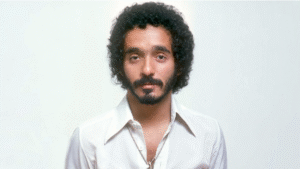
Willie Colón (1950 – 2026) was a Bronx-born, Puerto Rican-heritage musician, composer, trombonist, producer, and activist whose life work helped define urban salsa and Afro-Caribbean music in the United States. Over more than five decades, he fused jazz, rock, funk, and traditional Afro-Latin rhythms into a sound rooted in barrio experience and cultural pride, releasing more than 40 albums and selling millions of records worldwide. His collaborations with legends like Héctor Lavoe and Rubén Blades — especially the landmark album Siembra — brought salsa into the global spotlight and infused it with social and political consciousness. Colón also used his platform for community advocacy and civil rights work in New York. He died peacefully on February 21, 2026, at age 75, leaving a legacy as one of the most influential voices in Afro-Latino music and cultural life.
Pedro Albizu Campos
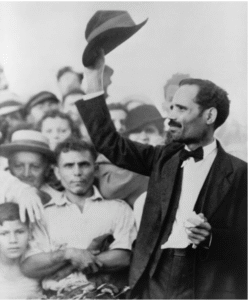
Pedro Albizu Campos (1891–1965) was a Puerto Rican lawyer and political leader who dedicated his life to fighting U.S. colonial rule over Puerto Rico. After studying engineering and law at Harvard University, he returned home and became president of the Puerto Rican Nationalist Party in 1930. Under his leadership, the party organized rallies, labor support efforts, and public campaigns calling for full independence, not limited reforms. He strongly opposed the forced military draft of Puerto Ricans into the U.S. Army and publicly denounced economic policies that kept the island dependent on U.S. sugar corporations. His speeches helped awaken pride in Puerto Rico’s African and Indigenous roots at a time when Black identity was often pushed aside. Following clashes between Nationalists and police – including the 1937 Ponce Massacre, where police killed unarmed demonstrators – Albizu Campos was imprisoned for many years on charges of sedition. To many in our community, he remains a symbol of resistance as a man who demanded dignity, self-determination, and justice for Puerto Ricans, even when it cost him his freedom and health.
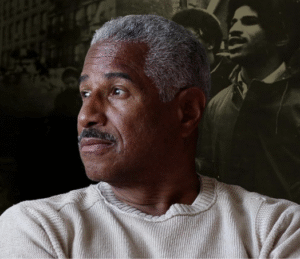
Felipe Luciano (born 1947) is an Afro–Puerto Rican poet, journalist, and community leader whose work helped shape Latino and Black political movements in New York City. Born and raised in East Harlem, Luciano became a founding member and chairman of the Young Lords in the late 1960s, transforming the group from a street organization into a powerful movement demanding better housing, healthcare, education, and self-determination for Puerto Ricans. The Young Lords organized garbage cleanups to protest city neglect, fought for lead testing in children, and pushed hospitals to provide language access and community accountability. Luciano also helped found the spoken-word group The Last Poets, using poetry as a tool of resistance and cultural pride during the rise of the Black Power era. Later, he broke barriers in media, becoming one of the first Puerto Rican television news anchors in the United States and winning two Emmy Awards for investigative journalism in New York. In his 2023 memoir, Flesh and Spirit: Confessions of a Young Lord, Luciano reflects on his early life, incarceration, and journey toward political awakening.
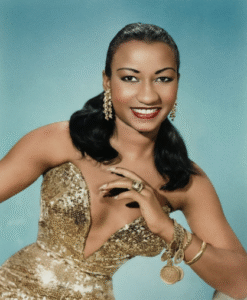
Celia Cruz (1925–2003), born Úrsula Hilaria Celia de la Caridad Cruz Alfonso in Havana, Cuba, was one of the most powerful voices in Afro-Latin music history. Rising to fame in the 1950s as the lead singer of Sonora Matancera, she helped bring Afro-Cuban rhythms like son, guaracha, and later salsa to audiences across Latin America and the United States. After leaving Cuba in 1960, she built a groundbreaking career in New York, becoming a central figure in the salsa movement and recording 37 studio albums over five decades. With her signature cry of “¡Azúcar!” she celebrated African roots in Latin music at a time when Black identity was often minimized or erased. Cruz won two Grammy Awards and four Latin Grammys, but beyond the trophies, she opened doors for Afro-Latinos in the music industry and showed the world that our culture — loud, proud, and rooted in Africa — belongs on the main stage.
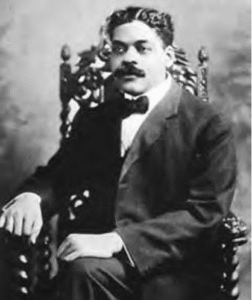
Arturo Alfonso Schomburg (1874–1938) was an Afro–Puerto Rican historian, writer, and collector whose life’s work changed how Black history is preserved and understood in the United States. Born in Santurce, Puerto Rico, he moved to New York as a teenager and dedicated himself to proving that people of African descent had shaped world history in powerful ways. At a time when many textbooks ignored Black contributions, Schomburg collected thousands of books, letters, artworks, and rare documents connected to Africa and the African diaspora in the Caribbean and the Americas. In 1911, he co-founded the Negro Society for Historical Research and wrote for major Black publications like The Crisis and Opportunity, sharing research that challenged racist myths. His personal collection later became the foundation of what is now the Schomburg Center for Research in Black Culture in Harlem.
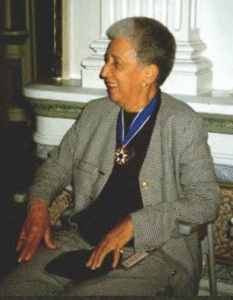
Antonia Pantoja (1922–2002) was a Puerto Rican educator, social worker, feminist, and civil rights leader who transformed opportunities for Latino youth in the United States. After moving to New York City in 1944, she became deeply involved in labor organizing, community advocacy, and efforts to improve public education for Puerto Rican families. In 1961, she founded ASPIRA of New York, a nonprofit organization dedicated to developing leadership, pride, and academic success among Latino students at a time when many faced discrimination, language barriers, and low expectations in schools. ASPIRA chapters grew across the country, helping thousands of young people pursue higher education and civic engagement. Pantoja believed our youth deserved not just access, but dignity and a strong sense of cultural identity. In 1996, she became the first Puerto Rican woman to receive the Presidential Medal of Freedom.
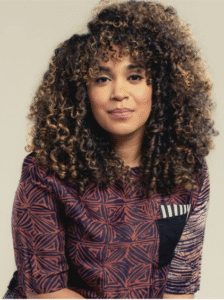
Elizabeth Acevedo (born 1988) is an Afro-Dominican poet and novelist from New York City whose work has reshaped young adult literature by centering Afro-Latina voices. A former National Poetry Slam champion, she first built her reputation through spoken word before bringing that same rhythm and honesty to the page. Her award-winning novel The Poet X won the National Book Award and tells the story of a Dominican teen in Harlem wrestling with faith, family, body image, and her own voice. Through books like With the Fire on High, Clap When You Land, and Beastgirl & Other Origin Myths, Acevedo writes about immigration, language, sisterhood, grief, and belonging in ways that feel real to today’s generation. She has helped make poetry feel urgent and accessible in classrooms across the country, giving young Afro-Latinas the chance to see themselves not as side characters, but as the center of their own stories.
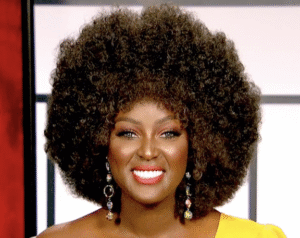
Amara La Negra (born Diana Danelys De Los Santos) is an Afro-Dominican singer, actress, and television personality who has used her platform to confront colorism and anti-Blackness within Latino culture. Raised in Miami by Dominican immigrant parents, she began performing as a child on the long-running variety show Sábado Gigante, building her career from an early age. She later gained national attention on Love & Hip Hop: Miami, where she openly challenged narrow beauty standards and spoke about the discrimination darker-skinned Latinas often face in the entertainment industry. Through her music, media appearances, and public advocacy, Amara has pushed back against the idea that Latinidad has one look. For many Afro-Latina women, her visibility in mainstream U.S. media has mattered — she represents pride in African roots, confidence in natural hair and features, and the right to define ourselves on our own terms.
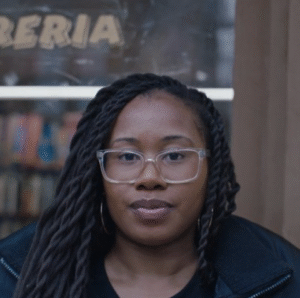
Janel Martinez is a Bronx-based writer, communications specialist, and proud Afro-Honduran of Garífuna descent whose work centers the voices of Afro-Latinas often left out of mainstream conversations. She is the founder of the award-winning digital platform Ain’t I Latina?, created to highlight the diversity, history, and lived experiences of Afro-Latinas through journalism, interviews, and community storytelling. At a time when Latinidad is often portrayed as racially uniform, Martinez built a space that openly addresses anti-Blackness, identity, and cultural pride within Latino communities. In 2021, she contributed to the anthology Wild Tongues Can’t Be Tamed: 15 Voices from the Latinx Diaspora, helping spark deeper dialogue about race, language, and belonging across the diaspora.
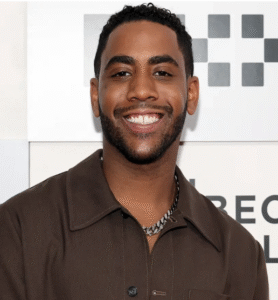
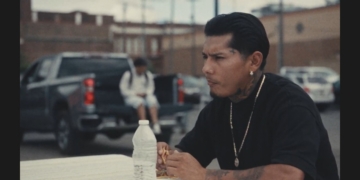
Jharrel Jerome (born 1997) is a Bronx-born actor and rapper of Dominican heritage who has become one of the most important Afro-Latino voices in contemporary film and television. He first gained attention with a supporting role in the Academy Award–winning film Moonlight, but his breakthrough came in Ava DuVernay’s Netflix series When They See Us, where he portrayed Korey Wise, one of the wrongfully convicted Central Park Five. In 2019, Jerome made history as the first Afro-Latino to win a Primetime Emmy Award for Outstanding Lead Actor in a Limited Series or Movie for that role. Known for choosing projects that highlight injustice, identity, and the complexity of young men of color, Jerome has consistently centered authentic storytelling.
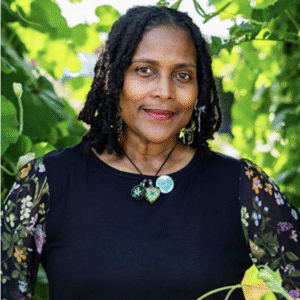
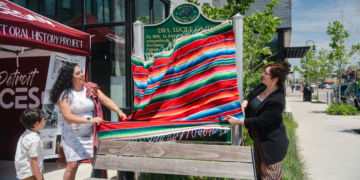
Angela Lugo-Thomas is an Afro-Boricua community leader born in Puerto Rico and raised in the Detroit area who has become a powerful voice for food justice and neighborhood empowerment. As a garden development manager at Keep Growing Detroit, she works directly with residents in Detroit and Highland Park to build and sustain community gardens, expand access to fresh produce, and promote food sovereignty in neighborhoods that have long faced disinvestment. Lugo-Thomas often speaks about the connection between land, culture, and identity, and about navigating her Black and Puerto Rican heritage in a city that is predominantly African American. Through organizing, education, and hands-on support for urban farmers, she helps families grow their own food and reclaim green space. In our communities, her leadership represents more than gardening — it’s about dignity, self-reliance, and building healthier neighborhoods from the ground up.
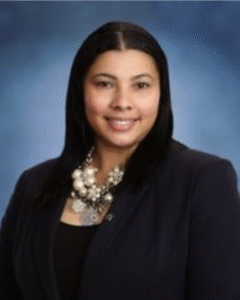
Monteze Morales is a community leader, public servant, and education advocate who has dedicated more than 20 years to advancing equity and student well-being in Michigan. Of Afro–Puerto Rican descent, Morales moved to Kalamazoo with her family at just five years old and has proudly called the city home ever since. As an education consultant, she has worked closely with schools and community partners to support inclusive learning environments and empower families. She made history as the first Afro-Latina of Puerto Rican heritage elected to the Kalamazoo County Board of Commissioners, bringing lived experience and cultural perspective to local government.
Willie Colón (1950–2026) fue un músico, compositor, trombonista, productor y activista de herencia puertorriqueña nacido en el Bronx, cuya obra ayudó a definir la salsa urbana y la música afro-caribeña en Estados Unidos. Durante más de cinco décadas, fusionó jazz, rock, funk y ritmos afro-latinos tradicionales con un sonido arraigado en la experiencia del barrio y el orgullo cultural, lanzando más de 40 álbumes y vendiendo millones de discos en todo el mundo. Sus colaboraciones con leyendas como Héctor Lavoe y Rubén Blades —especialmente el álbum histórico Siembra— llevaron la salsa al foco global y la impregnaron de conciencia social y política. Colón también utilizó su plataforma para la defensa comunitaria y los derechos civiles en Nueva York. Falleció en paz el 21 de febrero de 2026 a los 75 años, dejando un legado como una de las voces más influyentes de la música y la vida cultural afro-latina.
Pedro Albizu Campos
Pedro Albizu Campos (1891–1965) fue un abogado y líder político puertorriqueño que dedicó su vida a luchar contra el dominio colonial estadounidense en Puerto Rico. Tras estudiar ingeniería y derecho en Harvard, regresó a su tierra y se convirtió en presidente del Partido Nacionalista Puertorriqueño en 1930. Bajo su liderazgo, el partido organizó manifestaciones, apoyó la labor sindical y lanzó campañas públicas que exigían independencia total, no reformas limitadas. Se opuso firmemente al reclutamiento militar forzado de puertorriqueños en el Ejército de EE. UU. y denunció públicamente políticas económicas que mantenían a la isla dependiente de las corporaciones azucareras estadounidenses. Sus discursos despertaron el orgullo por las raíces africanas e indígenas de Puerto Rico en un tiempo en que la identidad negra era ignorada. Tras enfrentamientos entre nacionalistas y la policía —incluyendo la Masacre de Ponce en 1937, donde la policía mató a manifestantes desarmados— Albizu Campos fue encarcelado durante años por cargos de sedición. Para muchos en nuestra comunidad, sigue siendo un símbolo de resistencia y de la lucha por la dignidad, la autodeterminación y la justicia, incluso a costa de su libertad y salud.
Felipe Luciano
Felipe Luciano (nacido en 1947) es un poeta, periodista y líder comunitario afro-puertorriqueño cuyo trabajo ayudó a moldear los movimientos políticos latinos y negros en Nueva York. Nacido y criado en East Harlem, Luciano fue miembro fundador y presidente de los Young Lords a finales de los años 60, transformando la organización callejera en un movimiento poderoso que exigía mejor vivienda, salud, educación y autodeterminación para los puertorriqueños. Los Young Lords organizaron limpiezas de basura como protesta contra la negligencia de la ciudad, lucharon por pruebas de plomo en niños y exigieron acceso lingüístico y rendición de cuentas en hospitales. Luciano también fundó el grupo de spoken word The Last Poets, usando la poesía como herramienta de resistencia y orgullo cultural durante la era del Black Power. Más tarde rompió barreras en medios, convirtiéndose en uno de los primeros presentadores de noticias puertorriqueños en EE. UU. y ganando dos premios Emmy por periodismo investigativo en Nueva York. En su memoria de 2023, Flesh and Spirit: Confessions of a Young Lord, reflexiona sobre su juventud, encarcelamiento y despertar político.
Celia Cruz
Celia Cruz (1925–2003), nacida Úrsula Hilaria Celia de la Caridad Cruz Alfonso en La Habana, Cuba, fue una de las voces más poderosas de la música afro-latina. Alcanzó la fama en los años 50 como vocalista principal de Sonora Matancera, llevando ritmos afro-cubanos como son y guaracha, y posteriormente salsa, a audiencias en América Latina y EE. UU. Tras salir de Cuba en 1960, desarrolló una carrera innovadora en Nueva York, convirtiéndose en figura central del movimiento de salsa y grabando 37 álbumes en cinco décadas. Con su grito característico “¡Azúcar!”, celebró las raíces africanas en la música latina en un momento en que la identidad negra era minimizada o ignorada. Cruz ganó dos Grammy y cuatro Latin Grammy, y abrió puertas para los afro-latinos en la industria musical, mostrando que nuestra cultura —orgullosa, ruidosa y con raíces africanas— pertenece al escenario principal.
Arturo Alfonso Schomburg (1874–1938) fue un historiador, escritor y coleccionista afro-puertorriqueño cuyo trabajo cambió cómo se preserva y entiende la historia negra en Estados Unidos. Nacido en Santurce, Puerto Rico, se trasladó a Nueva York siendo adolescente y dedicó su vida a demostrar que las personas de ascendencia africana habían marcado la historia mundial. En un momento en que muchos libros de texto ignoraban estas contribuciones, Schomburg reunió miles de libros, cartas, obras de arte y documentos raros relacionados con África y la diáspora africana en el Caribe y las Américas. En 1911 cofundó la Negro Society for Historical Research y escribió para importantes publicaciones negras como The Crisis y Opportunity, compartiendo investigaciones que desafiaban mitos racistas. Su colección personal se convirtió luego en la base del Schomburg Center for Research in Black Culture en Harlem.
Antonia Pantoja (1922–2002) fue una educadora, trabajadora social, feminista y líder de derechos civiles puertorriqueña que transformó las oportunidades para jóvenes latinos en EE. UU. Tras mudarse a Nueva York en 1944, se involucró en la organización laboral, la defensa comunitaria y la mejora de la educación pública para familias puertorriqueñas. En 1961 fundó ASPIRA of New York, una organización sin fines de lucro dedicada a desarrollar liderazgo, orgullo y éxito académico entre jóvenes latinos, en un contexto de discriminación, barreras lingüísticas y bajas expectativas escolares. Las filiales de ASPIRA se expandieron por todo el país, ayudando a miles de jóvenes a acceder a la educación superior y al compromiso cívico. Pantoja creía que nuestra juventud merecía no solo acceso, sino dignidad y un fuerte sentido de identidad cultural. En 1996, se convirtió en la primera mujer puertorriqueña en recibir la Presidential Medal of Freedom.
Elizabeth Acevedo (born 1988) es una poeta y novelista afro-dominicana de Nueva York que ha transformado la literatura juvenil al centrar las voces afro-latinas. Ex campeona nacional de poesía slam, comenzó destacándose en el spoken word antes de trasladar ese ritmo y honestidad a sus libros. Su novela The Poet X, ganadora del National Book Award, narra la historia de una adolescente dominicana en Harlem enfrentando fe, familia, imagen corporal y su propia voz. Con obras como With the Fire on High, Clap When You Land y Beastgirl & Other Origin Myths, escribe sobre inmigración, idioma, hermandad, duelo y pertenencia de forma auténtica para la generación actual, dando a las jóvenes afro-latinas la oportunidad de verse como protagonistas de sus propias historias.
Amara La Negra (born Diana Danelys De Los Santos) es una cantante, actriz y personalidad televisiva afro-dominicana que ha usado su plataforma para confrontar el colorismo y la anti-negritud dentro de la cultura latina. Criada en Miami por padres inmigrantes dominicanos, comenzó a actuar de niña en el programa Sábado Gigante, construyendo su carrera desde temprana edad. Ganó atención nacional en Love & Hip Hop: Miami, donde cuestionó los estándares de belleza estrechos y denunció la discriminación hacia latinas de piel oscura. A través de su música, medios y activismo, ha desafiado la idea de que la latinidad tiene un solo aspecto. Para muchas mujeres afro-latinas, su visibilidad ha sido crucial: representa orgullo por raíces africanas, confianza en su cabello y rasgos naturales, y el derecho a definirse por sí mismas.
Janel Martinez es una escritora del Bronx, especialista en comunicaciones y orgullosa afro-hondureña de descendencia garífuna, cuyo trabajo centra las voces de afro-latinas que a menudo quedan fuera de la conversación principal. Fundó la plataforma digital galardonada Ain’t I Latina?, creada para resaltar la diversidad, historia y experiencias vividas de afro-latinas a través del periodismo, entrevistas y narrativa comunitaria. En un momento en que la latinidad se representa a menudo como racialmente uniforme, Martinez creó un espacio que aborda abiertamente la anti-negritud, la identidad y el orgullo cultural dentro de las comunidades latinas. En 2021 contribuyó a la antología Wild Tongues Can’t Be Tamed: 15 Voices from the Latinx Diaspora, fomentando un diálogo más profundo sobre raza, idioma y pertenencia en la diáspora.
Jharrel Jerome (born 1997) es un actor y rapero del Bronx de ascendencia dominicana, considerado una de las voces afro-latinas más importantes en cine y televisión contemporánea. Llamó la atención con un papel secundario en la película ganadora del Oscar Moonlight, pero su salto a la fama llegó con la serie de Netflix When They See Us, dirigida por Ava DuVernay, interpretando a Korey Wise, uno de los condenados injustamente del Central Park Five. En 2019, hizo historia como el primer afro-latino en ganar un Primetime Emmy como Mejor Actor Principal en una serie limitada o película por ese papel. Conocido por elegir proyectos que destacan la injusticia, la identidad y la complejidad de los jóvenes de color, Jerome ha centrado constantemente la narrativa auténtica.
Angela Lugo-Thomas
es una líder comunitaria afro-boricua nacida en Puerto Rico y criada en el área de Detroit, reconocida por su trabajo en justicia alimentaria y empoderamiento barrial. Como gerente de desarrollo de jardines en Keep Growing Detroit, trabaja directamente con residentes en Detroit y Highland Park para construir y mantener huertos comunitarios, ampliar el acceso a productos frescos y promover la soberanía alimentaria en barrios históricamente desinvertidos. Lugo-Thomas habla sobre la conexión entre tierra, cultura e identidad, y sobre navegar su herencia negra y puertorriqueña en una ciudad predominantemente afroamericana. Su liderazgo representa más que jardinería: significa dignidad, autosuficiencia y la construcción de barrios más saludables desde la base.
Monteze Morales es líder comunitaria, servidora público y defensora de la educación, con más de 20 años dedicados a promover la equidad y el bienestar estudiantil en Michigan. De ascendencia afro-puertorriqueña, se mudó a Kalamazoo con su familia a los cinco años y ha llamado orgullosamente a la ciudad su hogar desde entonces. Como consultora educativa, ha trabajado estrechamente con escuelas y socios comunitarios para apoyar entornos de aprendizaje inclusivos y empoderar a las familias. Hizo historia como la primera afro-latina de herencia puertorriqueña elegida a la Junta de Comisionados del Condado de Kalamazoo, aportando experiencia vivida y perspectiva cultural al gobierno local.