


















“Pura Vida” (Pure Life) is a common expression in Costa Rica used to say hello, goodbye, or that everything is good. More than a phrase, it reflects a lifestyle rooted in joy, gratitude, and a positive outlook on life. For Jessie Feliz, that philosophy is not just something she learned. It is something she lives.
Raised in Detroit and shaped by a family of educators and caregivers, Feliz did not initially set out to become an entrepreneur. Her journey began in a high school Spanish classroom, where a teacher from Nicaragua sparked a lifelong fascination with language, identity, and human connection. “I fell in love with how she moved between English and Spanish so effortlessly,” Feliz said. “It was beautiful.”

That moment set her on a path beyond Michigan. After studying Spanish education at Western Michigan University, she traveled to Costa Rica, choosing a less traditional destination. Living with a local family, she experienced a way of life that felt meaningful, even outside her own culture and language. “It just felt like home,” she said.
That sense of belonging shaped both her teaching philosophy and her life. After completing her studies and earning a master’s degree in teaching, Feliz worked in Baltimore, where she encountered the diversity of the Spanish-speaking world in ways textbooks could not capture. In classrooms filled with students from El Salvador, the Dominican Republic, and other countries, she began to understand how language intersects with identity.
Her time in the classroom also reshaped her approach to teaching. Students questioned textbook vocabulary, saying it did not match how their families spoke at home. Instead of dismissing those differences, she adapted. She came to see that language is shaped by culture and lived experience. “I realized I had to be inclusive,” she explained. “Language is lived. It’s not just what’s in a book.”
At a later point, Feliz returned to Costa Rica, where she built a life centered on teaching, community, and family, working with both local children and expatriate families. During that time, she also became a mother, giving birth to her daughter.
Eventually, she returned to the United States and made her way back to Detroit, where she began shaping what would become Spanish SWAG. The idea grew out of her classroom experience and frustration with how language is often taught in schools. “The way languages are often taught to pass a test,” Feliz noted. “Not to actually use it.”
The turning point came during the pandemic, when a school district asked her to create instructional videos, worksheets, and lesson plans. What began as a temporary solution evolved into a digital platform built with no-code tools and years of teaching experience. Today, Spanish SWAG is used by schools and after-school programs across Michigan, providing structured lessons, interactive materials, and video instruction led by Feliz herself. “It’s like digital copies of me,” she said.

What sets her work apart is not just the curriculum, but the approach behind it. When asked what makes her program different, she pointed to one word: “Joy,” adding, “you must activate joy for students and the teacher. They need to move, create, and participate to truly learn.”
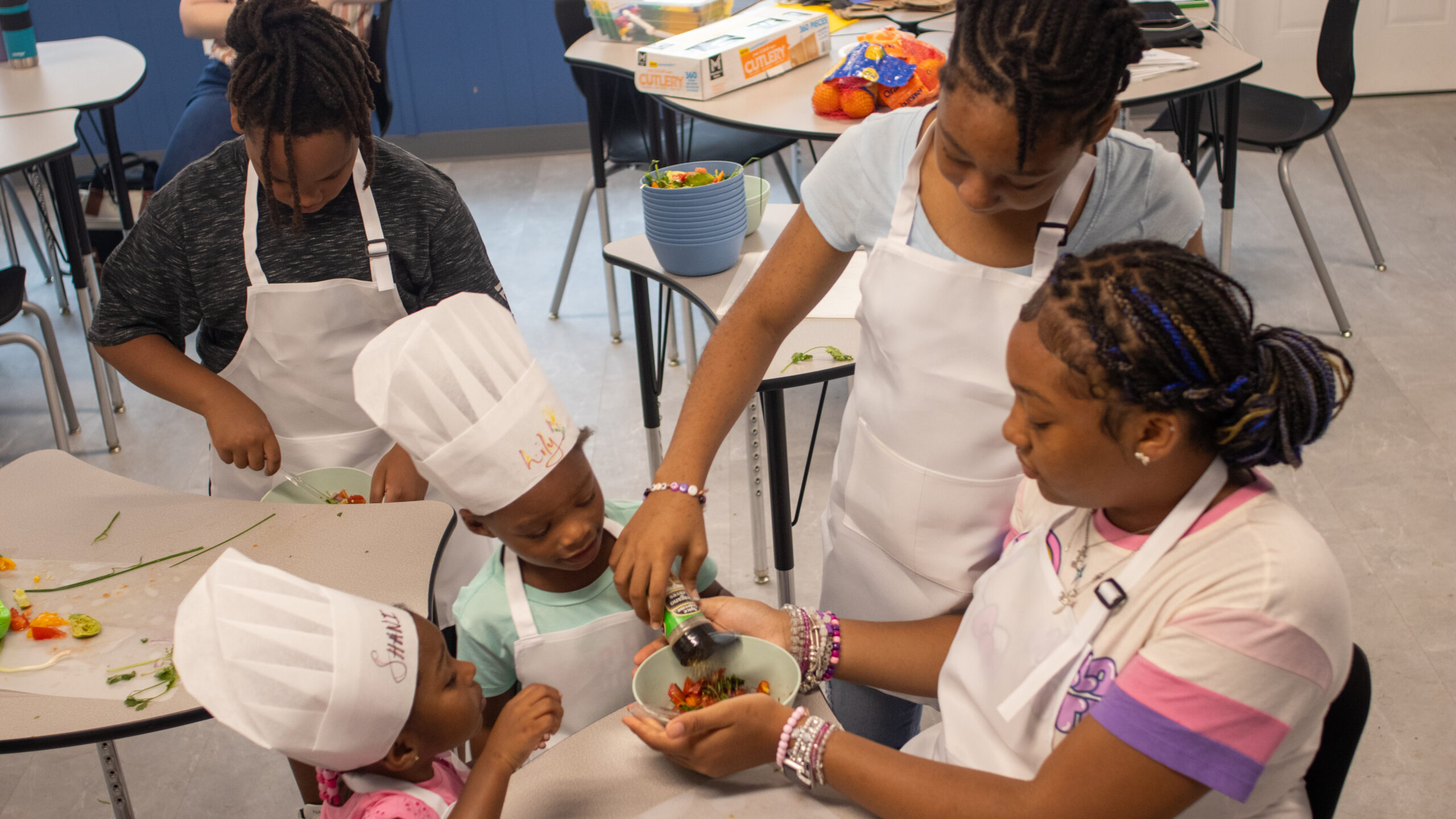
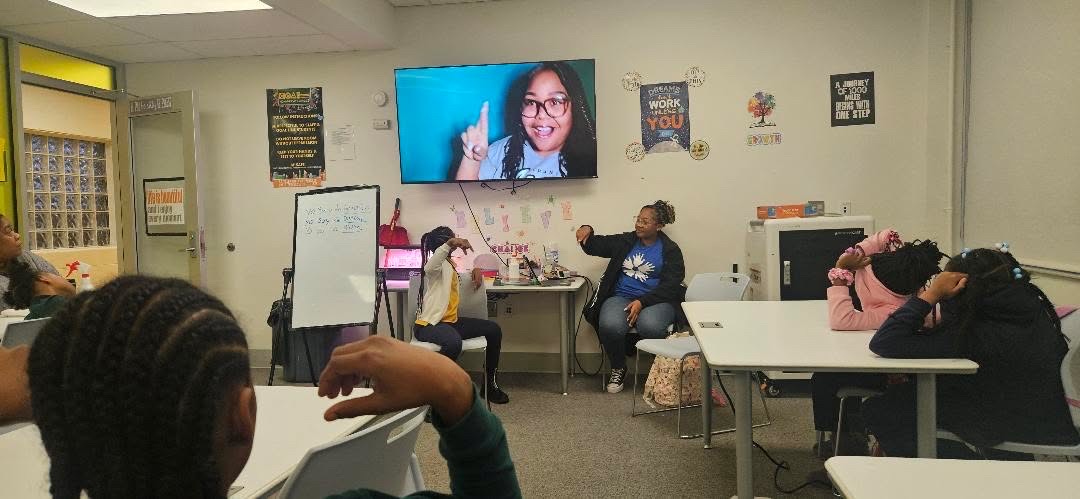
That philosophy comes to life through lessons that combine language with movement, music, cooking, and art. Students learn vocabulary while preparing food or practicing dance, connecting words to real experiences. “They don’t just learn the word. They feel it,” she explained.
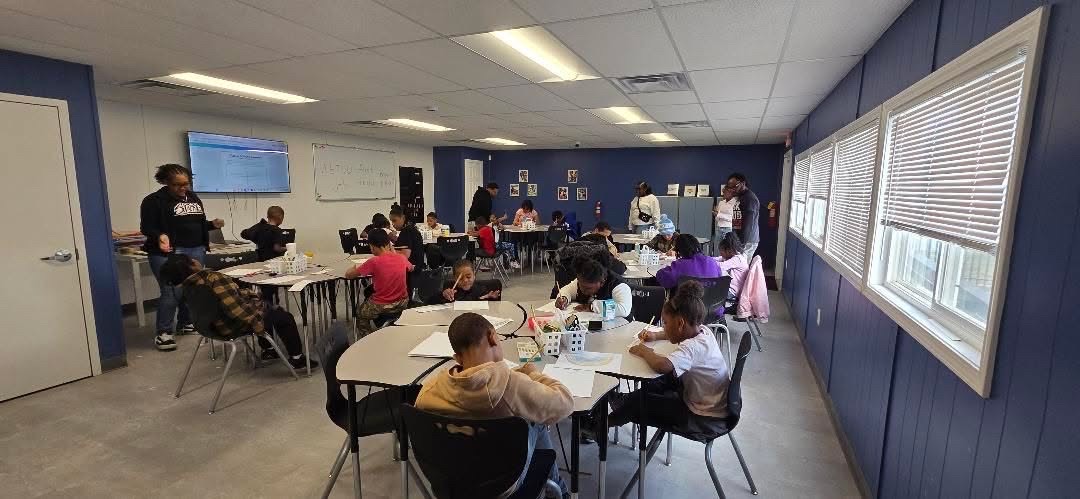
At the center of her work is a strong commitment to community. In Detroit, Feliz opened a learning center that serves children ages 5 to 12. The space, once a long-abandoned building, was transformed through grants and partnerships into a vibrant environment for after-school programs, camps, and cultural learning.
The center is designed to be accessible to families from all backgrounds. By accepting childcare subsidies and keeping costs aligned with public assistance rates, Feliz ensures participation is not limited by income. “We have kids from all walks of life,” she said. “But everybody belongs.”
Her work is also deeply connected to the surrounding neighborhood. Through partnerships with local organizations and volunteer work, she has built relationships that extend beyond the classroom. Her long-term vision is to expand the Jessie Feliz Learning Center into multiple locations and become a trusted presence in communities across the city.
As her work continues to grow, Feliz has also gained recognition within Detroit’s entrepreneurial ecosystem, including a $15,000 award from the Detroit Startup Fund to support the expansion of Spanish SWAG.
Looking ahead, Feliz plans to continue developing Spanish SWAG and expanding its reach while staying grounded in her mission. She also hopes to support Hispanic families who want their children to strengthen their Spanish, whether learning from scratch or building on what they hear at home. “Everyone is welcome here,” she said.
In a city known for resilience and reinvention, Jessie Feliz is building something rooted in purpose and experience, bringing together education, culture, and community in a way that reflects her journey and her values. Like the phrase that anchors her story, it all comes back to a simple idea. Pura vida.
To learn more about Spanish SWAG, visit https://www.spanishswag.com/
“Pura Vida” es una expresión común en Costa Rica que se utiliza para saludar, despedirse o decir que todo está bien. Más que una frase, refleja un estilo de vida basado en la alegría, la gratitud y una visión positiva. Para Jessie Feliz, esa filosofía no es solo algo que aprendió, sino algo que vive.
Criada en Detroit y formada en una familia de educadores y cuidadores, Feliz no pensaba convertirse en emprendedora. Su historia comenzó en una clase de español en la secundaria, donde una maestra de Nicaragua despertó en ella una fascinación por el idioma, la identidad y la conexión humana. “Me enamoré de cómo pasaba del inglés al español con tanta naturalidad”, dijo Feliz. “Era hermoso”.
Ese momento marcó su camino más allá de Michigan. Tras estudiar educación en español en Western Michigan University, viajó a Costa Rica, eligiendo un destino menos tradicional. Viviendo con una familia local, experimentó una forma de vida que le resultó significativa, incluso fuera de su cultura. “Se sentía como hogar”, dijo.
Ese sentido de pertenencia definió su filosofía educativa y su vida. Luego de completar sus estudios y obtener una maestría en enseñanza, trabajó en Baltimore, donde conoció la diversidad del mundo hispanohablante más allá de los libros. En aulas con estudiantes de El Salvador, República Dominicana y otros países, comenzó a entender cómo el idioma se cruza con la identidad.
Su experiencia en el aula también transformó su forma de enseñar. Los estudiantes cuestionaban el vocabulario de los libros, señalando que no coincidía con cómo hablaban sus familias. Entendió que el lenguaje se moldea por la cultura y las experiencias vividas. Así que adaptó su enfoque. “Entendí que debía ser inclusiva”, explicó. “El idioma se vive, no es solo lo que aparece en un libro”.
Más adelante, Feliz regresó a Costa Rica, donde construyó una vida centrada en la enseñanza, la comunidad y la familia, trabajando con niños locales y familias expatriadas. Durante ese tiempo, también se convirtió en madre.
Con el tiempo regresó a Estados Unidos y volvió a Detroit, donde comenzó a desarrollar lo que hoy es Spanish SWAG. La idea surgió de su experiencia en el aula y de su frustración con la forma en que se enseñan los idiomas en las escuelas. “Muchas veces se enseñan para pasar una prueba, no para usar el idioma”, señaló.
El punto de inflexión llegó durante la pandemia, cuando un distrito escolar le pidió crear videos, hojas de trabajo y planes de lección. Lo que comenzó como una solución temporal se convirtió en una plataforma digital construida con herramientas accesibles y años de experiencia docente. Hoy, Spanish SWAG se utiliza en escuelas y programas extracurriculares en Michigan, ofreciendo contenido estructurado, materiales interactivos y clases en video dirigidas por la propia Feliz. “Es como tener copias digitales de mí misma”, dijo.
Lo que distingue su trabajo no es solo el contenido, sino el enfoque. Al preguntarle qué hace diferente a su programa, respondió con una palabra: “alegría”, y añadió que es necesario activarla tanto en estudiantes como en docentes, promoviendo el movimiento, la creatividad y la participación para lograr un aprendizaje real.
Esa filosofía se refleja en clases que combinan el idioma con movimiento, música, cocina y arte. Los estudiantes aprenden vocabulario mientras preparan comida o practican baile, conectando palabras con experiencias reales. “No solo aprenden la palabra, la sienten”, explicó.
En el centro de su trabajo está la comunidad. En Detroit, Feliz abrió un centro educativo que atiende a niños de 5 a 12 años. El espacio, antes abandonado, fue transformado mediante subvenciones y alianzas en un entorno activo para programas extracurriculares, campamentos y aprendizaje cultural.
El centro está diseñado para ser accesible a familias de todos los niveles. Al aceptar subsidios de cuidado infantil y mantener costos alineados con asistencia pública, busca eliminar barreras económicas. “Tenemos niños de todos los contextos”, dijo. “Pero aquí todos pertenecen”.
Su trabajo también está profundamente conectado con el vecindario. A través de alianzas con organizaciones locales y trabajo voluntario, ha construido relaciones que van más allá del aula. Su visión a largo plazo es expandir el Jessie Feliz Learning Center a múltiples ubicaciones y convertirse en un referente comunitario en la ciudad.
A medida que su proyecto crece, Feliz también ha sido reconocida dentro del ecosistema emprendedor de Detroit, incluyendo un premio de $15,000 del Detroit Startup Fund para apoyar la expansión de Spanish SWAG.
De cara al futuro, planea seguir desarrollando el programa y ampliando su alcance sin perder de vista su misión. También busca apoyar a familias hispanas que desean fortalecer el español de sus hijos, ya sea desde cero o reforzando lo aprendido en casa. “Todos son bienvenidos aquí”, afirmó.
En una ciudad conocida por su resiliencia, Jessie Feliz está construyendo algo con propósito, conectando educación, cultura y comunidad de una manera que refleja su historia y sus valores. Como la frase que guía su camino, todo vuelve a una idea simple: pura vida.
Para más información sobre Spanish SWAG, visite https://www.spanishswag.com/