


















There was a day when Nicolas Lopez-Gonzalez stepped out of a plane and breathed the air in the United States for the first time. Full of hope, alongside his parents and two younger siblings, he settled in Dearborn, Michigan, to pursue the American dream. His father had obtained working permits, and they managed to enter as asylum seekers. Niko, as his friends call him, made Michigan his new home. The family could never have imagined that five years later, amidst the full force of Trump’s anti-immigrant machinery, they would find themselves back in Bogota, Colombia, to start over once again.
“Although I’ve spent part of my life here in Bogota, I still feel like a complete foreigner,” he confesses. In the Usme neighborhood of the Colombian capital, Niko, 20, has now spent a year there and is attending university. Returning to Colombia is still a challenge for him and his siblings. Bogota is different from any Michigan city; it is a city of 8 million people surrounded by mountains, with a lot of traffic and public transportation. Although he says the food is among the best he has ever tasted, he still struggles with using public transport, the streets packed with motorcycles, and the city noise.
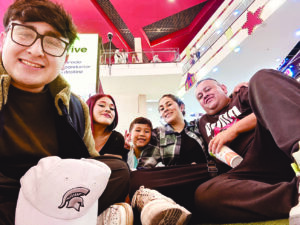
“Some people have told me that I have a lot of very interesting qualities, things that are quite different from a typical person from Bogota,” he said. “I don’t really have many friends here, since they all have their own lives, and there are days when I feel lonely. All my friends are back in the United States.”
López-González’s reintegration process extends to all those returned to their home countries after years; it begins the moment returnees arrive in their country of origin, but continues for months, and even years, after they have settled into their communities. Dr. Maria Lapinski-LaFaive, a professor of Intercultural Communication at Michigan State University, explains that returnees face a reentry shock, also called reverse culture shock, a unique set of social and psychosocial challenges, including cultural uprooting and, at times, even language barriers.
“Re-entry shock is sometimes more challenging than other kinds of culture shock in part because it’s unexpected. Many people don’t know about it and don’t anticipate it,” said Lapinski-LaFaive. “There are a lot of reasons it is difficult for people to come back to their culture: the home culture has changed, the person’s roles may be gone, they may have lost track of the culture, and because of these things, interactions may not go as smoothly as they used to.”
It can also be hard for them because the person themselves may have changed, she said. These changes can include the way they speak, dress, think, or act differently from the people in their original culture. “They have seen a different way to live, and this changes how they interact with their first culture,” Lapinski-LaFaive mentioned.
Reentry shock can be connected to depression, loneliness, and stress for people; therefore, she recommends that people try to shift their focus to the positive elements of their experiences in both the culture they left and the one they are returning to. She also mentioned that if people are aware that it can happen and have long-term plans on how to address it, it will be helpful.
Immigration agents apprehended Lopez-González’s father in early February 2025 and deported him after three weeks. The youth had received a federal summons to appear at a federal building on Michigan Ave. in Detroit.
Upon his arrival, he was told to return with his parents; when Lopez-González did so, he had to translate to his father why he was being taken. Were it not for his younger siblings, his mother would have been arrested as well, and had Lopez-Gonzalez not still been attending high school, all three of them would have been arrested.
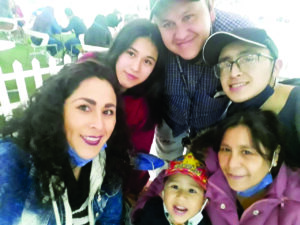
“My mom and I lived in constant fear, terrified that if something like that happened to my dad, the very same thing could happen to us. That is why we decided to leave,” he says. “We all had to be together or nothing, and it was better to say ‘we’re leaving’ than to be arrested, locked up, and deported with nothing,” Lopez-Gonzales said. His mother’s fear wasn’t unfounded.
In Trump’s current America, the decision for many immigrant families, whether or not to stay together, has proven to be a heavy burden. Christine Sauve, spokeswoman for the Michigan Immigrant Rights Center, said to EL CENTRAL that same as Lopez-González’s family did, “families across Michigan are facing very difficult and heart-wrenching decisions.” And added to the impact entailed by the decision to leave or not leave the country, there are the various stages of immigration status that may determine the possibility of a secure return to the country from which they migrated.
The months following his father’s deportation, Lopez-Gonzáles described as the strangest of his life; a life that he was just beginning to build amidst college applications, playing in concerts, outings with friends, and his first car. Piece by piece, together with his family, he had to start parting with most of his belongings, choosing what to keep and what to let go of.
“The first week, it was my dad’s car. Then came the garage sales,” he recounts. “We donated or sold the clothes we no longer wore, and so on; basically, I had to make it fit nearly five years of my life into a single suitcase. I had to choose between taking two suitcases or taking one along with my musical instrument.”

But leaving could be more complicated than that. After the family bought their flight tickets, they went to the federal office where the father was arrested to let them know they were finally leaving, Lopez-Gonzáles recalls. For Sauve, how someone leaves may affect their immigration case.
“If someone is already in removal proceedings, they should be careful about pursuing self-deportation,” she said. “If they leave the country before concluding removal proceedings, they could risk being ordered removed in absentia after failing to appear at their next hearing. But for cases where voluntary departure may not be an option, self-deportation may make sense, depending on the situation.”
Sauve encouraged individuals deciding between voluntary departure and self-deportation to reach out to a legal representative to discuss the risks in their particular case, because it can have future impacts on their immigration cases. “There may be times when individuals need to take these actions, but it is best to review their case before deciding,” she added.
From the 11 instruments Lopez-González plays, including the flute, piano, guitar, cello, accordion, and ukulele, the violin is the one he plays better. It became a part of his life, and he took it. After performing continuously with the Detroit Symphony Orchestra and receiving musical mentorship at Michigan State University, the young man has planned to complete his music major in Colombia and eventually return to the US.
En plena cruzada antimigratoria, familias inmigrantes enteras se ven obligadas a decidir entre permanecer en Estados Unidos o autodeportarse tras la deportación de algún familiar. Al regresar a su país natal, deben empezar de nuevo, reaprender su entorno y volver a integrarse, un proceso que trae desafíos sociales y culturales para quienes lo atraviesan.
Hubo un día en que Nicolás López-González bajó de un avión y respiró el aire de Estados Unidos por primera vez. Lleno de esperanza, junto a sus padres y dos hermanos menores, se estableció en Dearborn, Michigan, para perseguir el sueño americano. Su padre había obtenido permisos de trabajo y lograron ingresar como solicitantes de asilo. Niko, como le dicen sus amigos, hizo de Michigan su nuevo hogar. La familia jamás imaginó que cinco años después, en medio de toda la maquinaria antiinmigrante de Trump, se encontrarían de regreso en Bogotá, Colombia, para empezar de nuevo.
“Aunque he pasado parte de mi vida aquí en Bogotá, todavía me siento como un completo extranjero”, confiesa. En el barrio Usme de la capital colombiana, Niko, de 20 años, ya lleva un año y asiste a la universidad. El haber vuelto a Colombia sigue siendo un reto para él y sus hermanos. Bogotá es diferente a cualquier ciudad de Michigan; es una ciudad de 8 millones de habitantes rodeada de montañas, con mucho tráfico y transporte público. Aunque dice que la comida es de las mejores que ha probado, todavía le cuesta transportarce, lidiar con las calles llenas de motocicletas y el ruido de la ciudad.
“Algunas personas me han dicho que tengo muchas cualidades interesantes, cosas que son bastante diferentes de una persona típica de Bogotá”, dijo. “No tengo muchos amigos aquí, ya que todos tienen sus propias vidas, y hay días en los que me siento solo. Todos mis amigos están en Estados Unidos.”
El proceso de reintegración de López-González se extiende a todas las personas que regresan a sus países después de años; comienza en el momento en que llegan a su país de origen, pero continúa durante meses e incluso años después de haberse restablecido. La Dra. Maria Lapinski-LaFaive, profesora de Comunicación Intercultural en la Universidad Estatal de Michigan, explica que quienes regresan enfrentan un choque de reentrada, también llamado choque cultural inverso, un conjunto particular de desafíos sociales y psicosociales, que incluyen el desarraigo cultural y, en ocasiones, incluso barreras lingüísticas.
“El choque de reentrada a veces es más difícil que otros tipos de choque cultural, en parte porque es inesperado. Muchas personas no lo conocen y no lo anticipan”, dijo Lapinski-LaFaive. “Hay muchas razones por las que es difícil volver a la propia cultura: la cultura de origen ha cambiado, los roles de la persona pueden haber desaparecido, pueden haber perdido el ritmo de la cultura, y por estas razones, las interacciones pueden no ser tan fluidas como antes.”
También puede ser difícil porque la propia persona ha cambiado, añadió. Estos cambios pueden incluir la forma de hablar, vestir, pensar o actuar de manera distinta a las personas de su cultura original. “Han visto una forma diferente de vivir, y eso cambia cómo interactúan con su cultura de origen”, mencionó Lapinski-LaFaive.
El choque de reentrada puede estar relacionado con la depresión, la soledad y el estrés; por ello, recomienda que las personas intenten enfocarse en los aspectos positivos de sus experiencias tanto en la cultura que dejaron como en la que están retomando. También señaló que ser consciente de que esto puede ocurrir y tener planes a largo plazo para afrontarlo puede ser de ayuda.
Agentes de inmigración detuvieron al padre de Lopez-González a principios de febrero de 2025 y lo deportaron tres semanas después. El joven había recibido una citación federal para presentarse en un edificio en la avenida Michigan en Detroit.
Al llegar, le dijeron que regresara con sus padres; cuando lo hizo, tuvo que traducirle a su padre por qué se lo estaban llevando. De no ser por sus hermanos menores, su madre también habría sido arrestada, y si López-González no hubiera estado todavía en la secundaria, los tres habrían sido detenidos.
“Mi mamá y yo vivíamos con miedo constante, aterrados de que si algo así le pasaba a mi papá, lo mismo podría pasarnos a nosotros. Por eso decidimos irnos”, dice. “Era estar juntos o nada, y era mejor decir ‘nos vamos’ que ser arrestados, encerrados y deportados sin nada”, dijo López-González. El miedo de su madre no era infundado.
En la América de Trump, la decisión para muchas familias inmigrantes, si permanecer juntas o no, se ha convertido en una carga muy pesada. Christine Sauve, del Michigan Immigrant Rights Center, dijo a EL CENTRAL que, al igual que la familia de López-González, “familias en todo Michigan están enfrentando decisiones muy difíciles y desgarradoras”. Además del impacto de decidir si salir o no del país, existen distintas etapas del estatus migratorio que pueden determinar la posibilidad de un regreso seguro al país del que emigraron.
Los meses posteriores a la deportación de su padre, López-González los describe como los más extraños de su vida; una vida que apenas comenzaba a construir entre solicitudes universitarias, tocar en conciertos, salidas con amigos y su primer auto. Poco a poco, junto a su familia, tuvo que empezar a desprenderse de la mayoría de sus pertenencias, eligiendo qué conservar y qué dejar ir.
“La primera semana fue el auto de mi papá. Luego vinieron las ventas de garaje”, recuerda. “Donamos o vendimos la ropa que ya no usábamos, y así sucesivamente; básicamente, tuve que meter casi cinco años de mi vida en una sola maleta. Tuve que elegir entre llevar dos maletas o llevar una junto con mi instrumento musical.”
Pero irse podía ser más complicado que eso. Después de comprar los boletos de avión, acudieron a la oficina federal donde arrestaron al padre para informar que finalmente se iban, recuerda López-González. Para Sauve, la forma en que alguien se va puede afectar su caso migratorio.
“Si una persona ya está en proceso de deportación, debe tener cuidado al optar por la autodeportación”, dijo. “Si sale del país antes de concluir el proceso, podría arriesgarse a recibir una orden de deportación en ausencia por no presentarse a su próxima audiencia. Pero en casos donde la salida voluntaria no es una opción, la autodeportación puede tener sentido, dependiendo de la situación.”
Sauve alentó a quienes deben decidir entre salida voluntaria y autodeportación a consultar con un representante legal para analizar los riesgos en su caso particular, ya que puede tener efectos en el futuro. “Puede haber momentos en que las personas necesiten tomar estas decisiones, pero lo mejor es revisar su caso antes de decidir”, añadió.
De los 11 instrumentos que López-González toca, entre ellos la flauta, el piano, la guitarra, el violonchelo, el acordeón y el ukelele, el violín es el que mejor domina. Se convirtió en parte de su vida, y se lo llevó. Tras presentarse continuamente con la Orquesta Sinfónica de Detroit y recibir mentoría musical en la Universidad Estatal de Michigan, el joven planea completar su carrera de música en Colombia y eventualmente regresar a Estados Unidos.