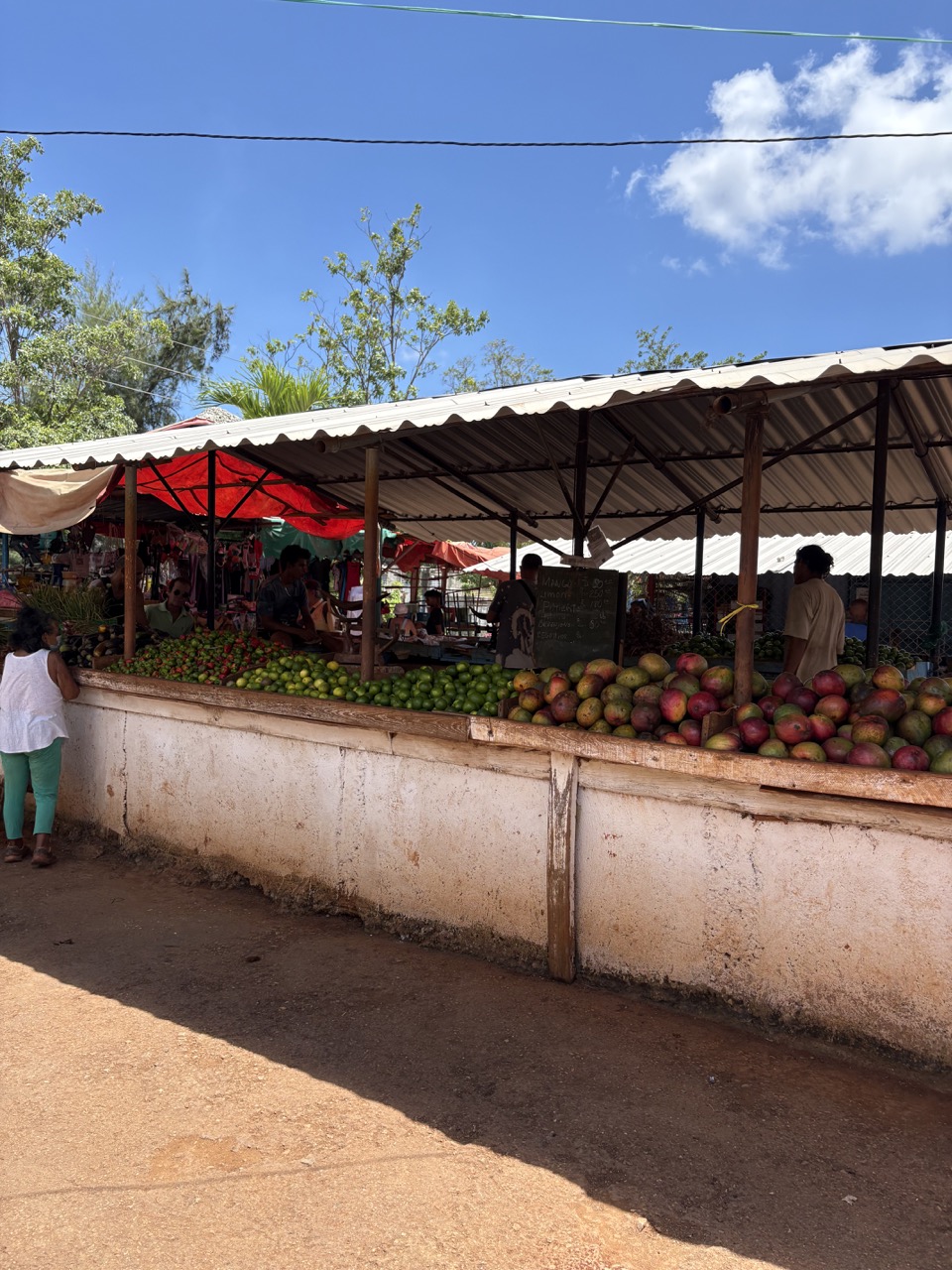





















I recently traveled to Cuba as part vacation and part humanitarian relief, bringing with me over 60 pounds of supplies to support the people in Cuba. Although this was my second trip to Cuba, I was originally motivated to go there after the loss of my partner, who had left Cuba a few years prior. I wanted to see with my own eyes, what is it that the Cuban population is experiencing to drive upwards of one million of them off the island since 2021.
I went back this time, to bring necessary materials for families in need, such as medicine, clothes, portable chargers, hygiene products, bug spray, sunscreen, among other items. It is not permitted to send packages or mail to Cuba from the United States, and it is becoming increasingly difficult for Cuban people to find resources imperative to survival.
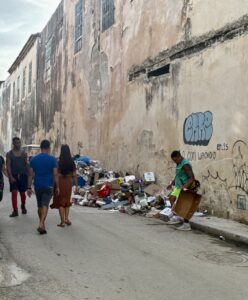
The current fuel crisis has rapidly changed the island and the way of life just over the course of roughly three months. Varadero, a beach city on the North coast of Cuba and considerably Cuba’s biggest money maker from the tourism it brings, was empty, with few to no tourists roaming the island. A round trip taxi ride from La Habana, the capital of Cuba, to Varadero, roughly 75 miles, last year cost $150. This year, it was $300, doubling in price. I also was required to confirm my taxi trip weeks in advance, this way the fuel would be saved up and put away specifically for my trip. The fuel crisis does not look like paying more in gas prices, it’s simply that there is not any fuel available to buy.
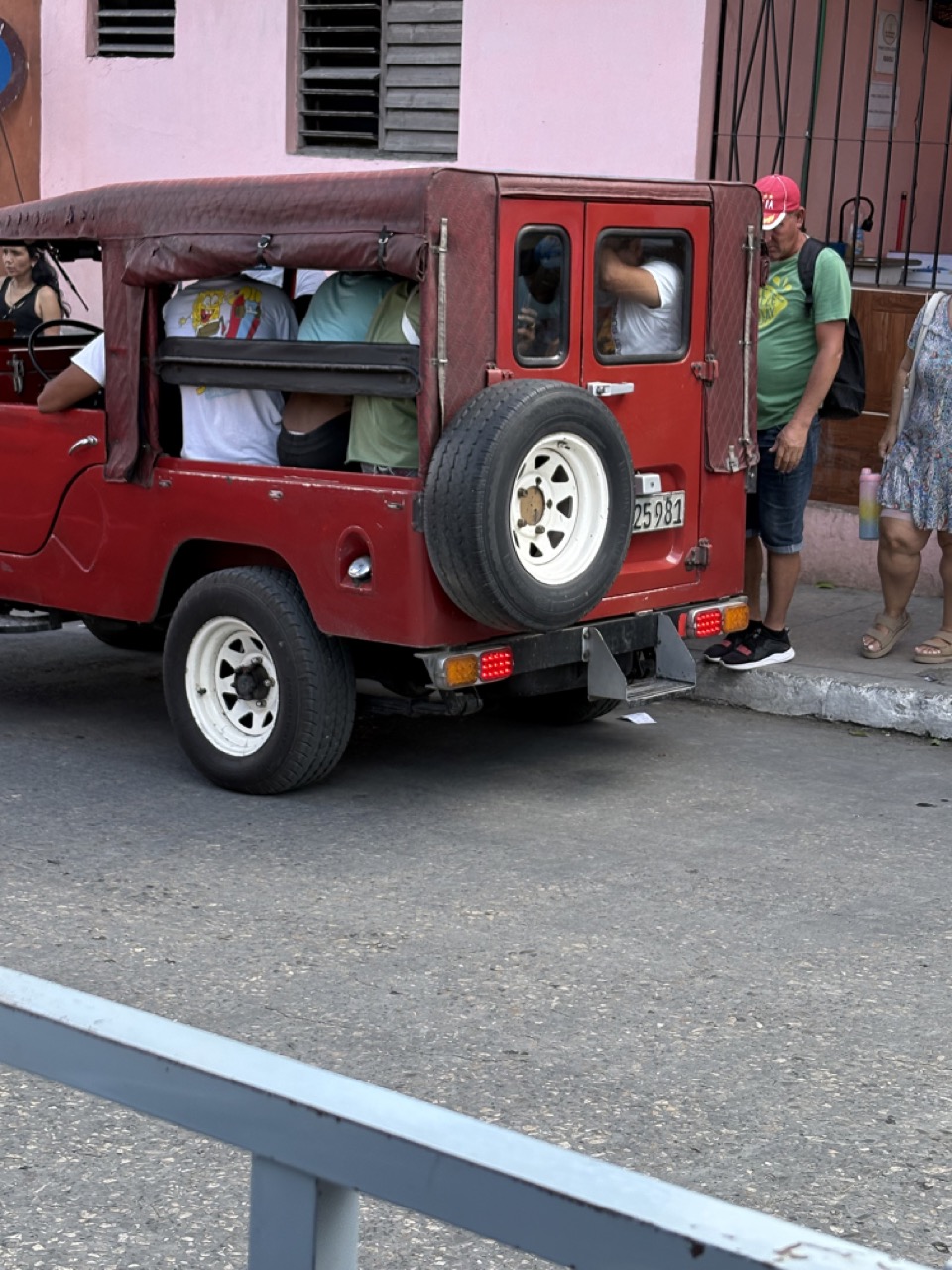
Those who are able have switched to electric tricycles, which still remain unreliable, considering the power outages experienced throughout the island on a daily basis. They are unable to be charged if there is no electricity to charge them. They are used to transport passengers for a small fee, and I frequently saw exceeding amounts of people piled into the back of tricycles, solely to skip what would be an hour walk to work or school. While riding through Varadero on a tricycle, we passed by blocks of bare and power outage stricken streets, in a place where just months before, tourists and Cubans alike strolled up and down the streets at all hours of the night.
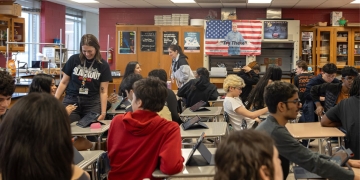
The fuel crisis has also taken a toll on Cuban education. Cuba has prided itself on its health and education systems for years, arguably one of their main ‘exports’. While speaking with nursing students studying in La Habana, for a short period of time, their classes had been moved to online platforms, due to a drop in attendance as more and more students could not find transportation to arrive to class. A good idea in theory, however a wide amount of students do not have laptops, much less a stable internet connection. Many do not have wifi in their homes, as it is unrealistic to pay for a service that will not work for the up to 12 hours a day they pass without electricity. Unfortunately, it had been mentioned to students that they would have to repeat the year or semester of school, as a result of so much information and class time missed during their time online, and a pandemic of chikungunya, a mosquito transmitted disease which left students out of school for up to a month in late 2025.
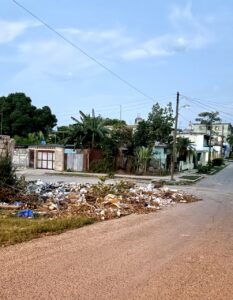
I had the opportunity to speak with multiple Cubans, and I asked them the simple questions of “What do you want for yourself? What would you like your future to look like?” The overwhelming response was “to leave here (Cuba),” and “they don’t let us dream,” said one Cuban man per the restrictions the government holds over the people.
Cubans have a well rounded education system, and there is no cost of attending university. However, when a taxi driver can earn more than a doctor, Cubans are forced to choose survival over passion.
After leaving Cuba, I am struck by the way people are able to survive in a country that continues to test their limits, taking more and more from them each day. Cubans then are forced to hear their own government officials claim that their people are exceedingly strong and resilient, instead of changing policies to alleviate their suffering.
Recientemente viajé a Cuba, en parte de vacaciones y en parte en una misión de ayuda humanitaria, llevando conmigo más de 60 libras de suministros para apoyar a la gente en la isla. Aunque este fue mi segundo viaje a Cuba, la primera vez decidí ir después de la pérdida de mi pareja, quien había salido de Cuba algunos años antes. Quería ver con mis propios ojos qué es lo que está viviendo la población cubana que ha llevado a que más de un millón de personas hayan abandonado la isla desde 2021.
En esta ocasión regresé para llevar materiales necesarios a familias que los necesitan, como medicinas, ropa, cargadores portátiles, productos de higiene, repelente para insectos, bloqueador solar, entre otros artículos. No está permitido enviar paquetes o correo a Cuba desde Estados Unidos, y cada vez es más difícil para la gente en la isla encontrar recursos básicos para sobrevivir.
La actual crisis de combustible ha cambiado rápidamente la isla y la forma de vida en un periodo de apenas tres meses. Varadero, una ciudad de playa en la costa norte de Cuba y considerada una de las principales fuentes de ingreso por el turismo, estaba casi vacía, con pocos o ningún visitante recorriendo la zona. Un viaje redondo en taxi desde La Habana, la capital del país, hasta Varadero —unos 75 millas— costaba el año pasado 150 dólares. Este año costó 300, el doble. Además, tuve que confirmar el viaje con semanas de anticipación para que el combustible se apartara específicamente para mi traslado. La crisis no se trata solo de pagar más por la gasolina; es que simplemente no hay combustible disponible.
Quienes pueden han optado por usar triciclos eléctricos, aunque siguen siendo poco confiables debido a los apagones diarios en toda la isla. Sin electricidad, no se pueden cargar. Se usan para transportar pasajeros por una pequeña tarifa, y con frecuencia vi a muchas personas apretadas en la parte trasera, solo para evitar caminatas de hasta una hora hacia el trabajo o la escuela. Mientras recorríamos Varadero en uno de estos triciclos, pasamos por cuadras enteras sin luz, en un lugar donde hace apenas unos meses turistas y residentes caminaban a todas horas de la noche.
La crisis de combustible también ha afectado la educación en Cuba. Durante años, el país se ha enorgullecido de sus sistemas de salud y educación, considerados incluso como una de sus principales “exportaciones”. Al hablar con estudiantes de enfermería en La Habana, me comentaron que, por un tiempo, sus clases se trasladaron a plataformas en línea debido a la baja asistencia, ya que cada vez más estudiantes no podían encontrar transporte para llegar. En teoría suena bien, pero muchos no tienen computadoras, y mucho menos una conexión estable a internet. En muchos hogares no hay wifi, ya que resulta difícil pagar por un servicio que no funciona durante las hasta 12 horas al día sin electricidad. Lamentablemente, a varios estudiantes se les informó que tendrían que repetir el año o el semestre, debido a la cantidad de clases e información perdida durante ese periodo, además de una ola de chikungunya —una enfermedad transmitida por mosquitos— que mantuvo a muchos fuera de la escuela hasta por un mes a finales de 2025.
Tuve la oportunidad de hablar con varios cubanos y hacerles preguntas sencillas: “¿Qué quieres para ti? ¿Cómo te imaginas tu futuro?” La respuesta más común fue: “irme de aquí (Cuba)” y “no nos dejan soñar”, dijo un hombre, refiriéndose a las restricciones del gobierno.
Cuba cuenta con un sistema educativo sólido y la universidad es gratuita. Sin embargo, cuando un taxista puede ganar más que un médico, las personas se ven obligadas a elegir la supervivencia sobre la vocación.
Después de salir de Cuba, me quedé pensando en cómo la gente logra seguir adelante en un país que constantemente pone a prueba sus límites, quitándoles cada vez más. Aun así, los funcionarios del gobierno siguen diciendo que su pueblo es fuerte y resiliente, en lugar de cambiar las políticas para aliviar su situación.