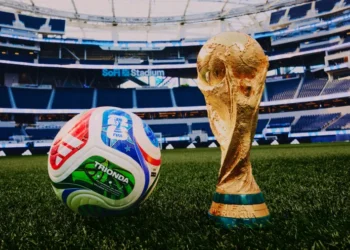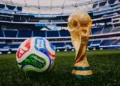












Bringing the men’s World Cup to the United States, Canada, and Mexico will be a money-making venture like no other. FIFA, ostensibly a non-profit organization, has taken advantage of North American consumers like no other sporting outfit ever has. They have taken advantage of the American system of dynamic pricing for event tickets, created lucrative hospitality packages, and even set up their own ticket resale system.
The result will make the 2026 World Cup the most expensive in history for fans to attend. Only a select few fortunate fans will be selected to pay the quite reasonable $60 per ticket for first round group matches. The rates go up wildly from there. On Seat Geek, a popular ticket selling site, the least expensive ticket for any game is currently $211 to see Cape Verde play Saudi Arabia in Houston. In most World Cups, people would be giving away tickets to see those teams.
This World Cup will have 48 teams spread out over three countries, playing 104 games. Most venues are NFL or NFL-sized stadiums. Even with an estimated 7.1 million tickets available, the demand has far outstripped the supply of tickets. FIFA claimed up to 500 million applications came into their website. They had a random selection draw last week and notices went out to both the successful and unsuccessful applicants. For those hoping to the one of the hosts, it was an agonizing wait.
Forgive me for making this personal, something I prefer to avoid. I applied for several games, including two for the US men’s team under what FIFA calls the PMA category. PMA is the acronym for Participating Member Association, because I am a supporter of US Soccer. I hoped to experience something with my son that I enjoyed with my recently deceased father in 1994. My dad took our whole family to multiple games in 1994, starting with the opening match in Chicago and ending a month-long festival at the final in Pasadena. That included seeing the USA play at the Silverdome in Pontiac. We went to 13 games in 5 cities, with at least one match in each round. We were able to include a number of friends for those games. It was an incredible experience enjoyed with people from all over the country and the world.
For this World Cup, the lack of nearby venues, like Detroit and Chicago were in 1994, will mean air travel to any games. Inflation has driven up airfares. Greed has inflated hotel prices for even least expensive chains. For example, I checked the rates for a hotel in Seattle for which I paid around $350 a night a couple of years ago and found that they had nothing under $1,100 during the USA’s group match against Australia. Security concerns have made travel more cumbersome. And the eye-watering ticket prices made my hopes more modest for going to games.
The random selection draw results came out over the weekend. I was “partially successful.” I applied for eight games in a variety of venues and succeeded with one. I am taking my son to Houston to see Portugal play Uzbekistan. Coincidentally the game falls on his birthday, so this will be an expensive present, but one that will mean everything to both of us. Even better, two of his friends from school also won tickets for that game, meaning we can have a little birthday party in Texas. No doubt, stories like mine are happening around the country and the world. There are also many people who weren’t successful at all. Their stories and their sadness at being unable to join the world’s biggest celebration of sport will be just as compelling as any other.
What will be interesting to watch during the next three months is the way ticket prices fluctuate on the open market now that the latest ticket draw has taken place. People who are desperate to see their nations play will be hitting the secondary market. If they use the FIFA ticket exchange, they have to be aware that FIFA takes a 15% commission from the seller and the buyer.
Once the tournament starts, as teams are eliminated after each stage, tickets will hit the market from fans whose teams are no longer involved. That may be a last-minute opportunity to make a mad dash to a far off location to be part of the festivities. The results of the group phase games might also cause people to change their minds. A team expected to win their group that suddenly qualifies as a runner-up or third place team will have a completely different travel schedule. That causes complications which could lead to tickets becoming available.
FIFA appears to have gone out of their way to monetize everything associated with this World Cup. Even the fan fests are going to charge an admission. One can only imagine what the souvenir, food, and beverage prices will be. Fortunately for us, every minute of every game will be on television with kick-off times as early as noon and as late at 10:00 pm. There will be some long days for the most fanatical fans. I’m looking forward to sharing it all with my son.
¿Quién va a ir al World Cup?
Traer el World Cup masculino a Estados Unidos, Canadá y México será un negocio como ningún otro. FIFA, que en teoría es una organización sin fines de lucro, ha aprovechado a los consumidores de Norteamérica como ninguna otra entidad deportiva lo había hecho. Ha sacado ventaja del sistema de precios dinámicos para boletos, ha creado paquetes de hospitalidad muy lucrativos y hasta estableció su propio sistema de reventa de entradas.
El resultado es que el World Cup 2026 será el más caro de la historia para los aficionados. Solo unos cuantos afortunados podrán pagar los relativamente accesibles $60 por boleto para los partidos de la fase de grupos. A partir de ahí, los precios se disparan. En Seat Geek, un popular sitio de venta de boletos, la entrada más barata disponible ahora es de $211 para ver a Cape Verde contra Saudi Arabia en Houston. En la mayoría de los World Cups, la gente estaría regalando boletos para un partido así.
Este World Cup tendrá 48 selecciones repartidas en tres países y 104 partidos. La mayoría de las sedes son estadios de la NFL o de tamaño similar. Aun con un estimado de 7.1 millones de boletos disponibles, la demanda ha superado por mucho la oferta. FIFA aseguró que recibió hasta 500 millones de solicitudes en su website. La semana pasada realizó un sorteo al azar y envió avisos tanto a quienes obtuvieron boletos como a quienes no. Para quienes esperaban asistir a uno de los países sede, la espera fue angustiante.
Perdone que lo haga personal, algo que normalmente prefiero evitar. Solicité boletos para varios partidos, incluidos dos de la selección masculina de Estados Unidos bajo la categoría que FIFA llama PMA. PMA significa Participating Member Association, porque soy seguidor de US Soccer. Quería vivir con mi hijo algo parecido a lo que yo disfruté con mi padre, quien falleció recientemente, en 1994. Mi papá llevó a toda la familia a varios partidos ese año, desde el juego inaugural en Chicago hasta la gran final en Pasadena, después de un mes completo de festejos. Eso incluyó ver a Estados Unidos jugar en el Silverdome en Pontiac. Fuimos a 13 partidos en 5 ciudades, con al menos un juego en cada ronda. También invitamos a varios amigos. Fue una experiencia increíble, compartida con gente de todo el país y del mundo.
Para este World Cup, la falta de sedes cercanas —como lo fueron Detroit y Chicago en 1994— significa que habrá que viajar en avión para asistir a cualquier partido. La inflación ha elevado los precios de los vuelos. La codicia ha inflado las tarifas de hotel, incluso en las cadenas más económicas. Por ejemplo, revisé un hotel en Seattle donde pagué alrededor de $350 por noche hace un par de años, y no tenía nada por debajo de $1,100 durante el partido de fase de grupos entre Estados Unidos y Australia. Las preocupaciones de seguridad también han hecho los viajes más complicados. Y los precios de los boletos, que quitan el aliento, hicieron que mis expectativas fueran más modestas.
Los resultados del sorteo salieron el fin de semana. Fui “parcialmente exitoso”. Solicité ocho partidos en distintas sedes y conseguí uno. Llevaré a mi hijo a Houston para ver a Portugal contra Uzbekistan. Coincidentemente, el partido cae el día de su cumpleaños, así que será un regalo costoso, pero muy significativo para los dos. Aún mejor, dos de sus amigos de la escuela también consiguieron boletos para ese juego, así que podremos hacer una pequeña fiesta de cumpleaños en Texas. Sin duda, hay historias parecidas ocurriendo en todo el país y en el mundo. También hay muchas personas que no lograron boletos. Sus historias y su tristeza por no poder asistir a la mayor fiesta del deporte serán igual de poderosas.
Será interesante ver en los próximos tres meses cómo cambian los precios en el mercado abierto ahora que terminó el sorteo más reciente. Las personas desesperadas por ver jugar a su selección acudirán al mercado secundario. Si usan el sistema de reventa de FIFA, deben saber que FIFA cobra una comisión del 15% tanto al vendedor como al comprador.
Una vez que comience el torneo y los equipos vayan quedando eliminados en cada fase, saldrán más boletos al mercado de aficionados cuyas selecciones ya no sigan en competencia. Esa podría ser una oportunidad de último momento para lanzarse a una sede lejana y ser parte de la celebración. Los resultados de la fase de grupos también pueden cambiar los planes de viaje. Un equipo que se esperaba que quedara primero y termina como segundo o tercero tendrá un calendario totalmente distinto. Eso genera complicaciones que pueden hacer que aparezcan boletos disponibles.
FIFA parece haber hecho todo lo posible por monetizar cada aspecto de este World Cup. Incluso los fan fests van a cobrar entrada. Solo queda imaginar los precios de recuerdos, comida y bebidas. Por suerte, cada minuto de cada partido se transmitirá por televisión, con horarios que van desde el mediodía hasta las 10:00 de la noche. Habrá días muy largos para los aficionados más apasionados. Yo espero disfrutarlo todo junto con mi hijo.