















The day Jairo returned home to hug his wife and children, a fierce thunderstorm loomed in the west. The storm alert had been issued for every county in the state. Yet, it never caught up with him on his night journey from Baldwin to Detroit, where he lives. Strong winds and some drops on the windshield greeted a deeply emotional Jairo, who spent most of the trip on a video call with his family, faces that would soon cease to be mere voices coming from a cell phone.
“Where is he? Get la pelona (the bald one) ready, get la loca (the crazy one) ready…” can be heard from his phone, from which so many voices spill out, sounding just like a party. “That’s my mom, my cousin, my sister, my niece, another cousin, my first cousin all the way from Colombia; and this one (his wife) … she’s right here,” says Jairo. His voice is choked with emotion and anxiety; he couldn’t speak. From the phone, they urge him to turn on his camera; they want to see him.
“We are almost there,” said Bill Hickey, behind the wheel. Sitting beside him, his wife, Billie Hickey, with Google Maps in hand, turns to look at Jairo. Both smiled. He is just minutes away from home
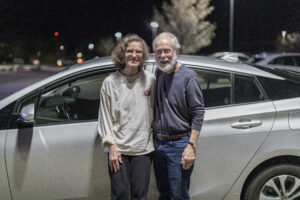
Bill and Billie, a Detroit couple in their late 70s, picked him up in Okemos, in a parking lot near Lansing. Another driver, who identified herself as Mary, drove Jairo from Grand Rapids, and another had picked him up from Baldwin to Grand Rapids before that. They didn’t know each other. Mary met with Bill and Billie for the first time while Jairo was getting into the couple’s car.
They chatted a few words and wished Mary a safe trip as she was driving back into the storm. For Bill and Billie, Jairo was the fourth person released from North Lake, whom they drove home. They began in February, joining a network of volunteer drivers known as The Overground Railroad, which helps immigrants return to their homes after they are released from detention at North Lake, the biggest ICE processing center in the Midwest, located in Baldwin, Michigan.
“For us,” said Bill. “It’s one small way to give a healing touch to those who are caught up in a horrible system that detains and corrals immigrants and sometimes US citizens in awful facilities without due process to pressure them to give up their rights and self-deport.”
“We let them know that they are not ‘the worst of the worst,'” he continued. “They are human beings and our neighbors. They are our brothers and sisters, and they deserve to be treated as such.”
North Lake, operated by GEO Group, a private prison company that manages multiple immigration detention and processing centers across the country, is located in a rural area on the northwestern side of Michigan’s Lower Peninsula. Getting there takes around three and a half hours from Detroit, 2.5 hours from Lansing, and 1 hour and 20 minutes from Grand Rapids.
When their loved ones are being released, families are notified on the very day, often just a few hours before. They do not always have the means to get there. In most cases, the family’s primary breadwinners are the ones detained in Baldwin, while the remaining family members cannot afford private transportation or do not know how to drive; this situation, compounded by Michigan’s lack of an efficient public transportation system, turns the journey to Baldwin into a nightmare for those without the necessary resources.
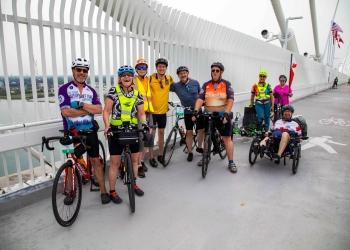
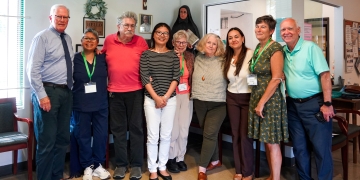
Drivers from the Overground Railroad organize and connect daily through text groups to see how many immigrants are being released, who is picking them up, where, and with whom they will connect to reach places inside the state or border states. They began with fewer than 10 drivers after last year’s summer; now they have more than 100 volunteers organized with activist groups, churches, and individual volunteers.
“When these for-profit facilities are forced to release someone, they do so whether there is anyone able to pick them up or not, and whether they have adequate clothing or not,” mentioned Bill. “The Overground Railroad makes sure that those who are released will get clothes, food, and will get home safely to family and friends.”

How Jairo ended up in ICE custody is not much different from the stories of many immigrants in the region. He arrived in the U.S in 2024 with his family from La Guajira, Colombia, fleeing threats posed by the expansion of organized crime. At the Mexican border, they entered the country as asylum seekers. A work permit, Social Security number, ID, and driver’s license would come later. As he said, he always wanted to do things the right way.
While driving his taxi in Southwest Detroit, Jairo was boxed in by several SUVs with tinted windows. Jairo suspected what was happening immediately; the flashing lights and the agents, their faces masked and wearing bulletproof vests, confirmed it: They were ICE. Handcuffed and shackled at the ankles, he was sent to North Lake for about a month until he was released.
“We have been deeply touched by hearing those we drive home say how much they love our country, even after they have been so badly treated by it,” Billie said. “And, we have been reduced to tears by watching families and friends surround their returning family member with cries of joy and endless loving hugs.”
“As happens so often in life, we have gotten back much more than we have given,” both Bill and Billie agreed.
For Janet Ray, one of the Overground Railroad organizers, amid all the negative situations that the immigrants’ crackdown is evoking in communities, having people willing to help those families affected is the other side of the coin: The positive side.
“People are stepping up,” she said. “It’s kind of nice to see the best of society bubbling up. People are actually responding to help each other.”
In the living room of her home in Southwest Detroit lies an urn containing the ashes of Felipe, a Honduran man who passed away nearly five years ago, and whom Ray never met. Felipe awaits his return to his family in the Central American country, a promise that Jessica, his sister, made to their mother. But Jessica had to self-deport after being detained at North Lake for several months. Following her promise, she asked Ray to send the ashes and some of her belongings that she had left in the U.S.
Ray carried a box in the trunk of his car containing the twenty years of Jessica’s life in the United States to be delivered to Honduras. It isn’t something the volunteer network typically does, but the situation called for it. “Who’s a Detroit-based driver that can pick up Jessica’s stuff? And so, I said, I could pick up Jessica’s stuff,” Ray recounts, explaining how she connected with Jessica.
“Immigration didn’t let her carry the ashes back to Honduras, so now our volunteer network has to start figuring out how to do that,” Ray said. “I never thought I would have a complete stranger’s ashes in my living room, but now he is no longer a stranger. He’s a friend.”
For more information about how you can support the Overground Railroad, email info@strangersnolonger.org.
El día en que Jairo regresó a casa para abrazar a su esposa y a sus hijos, una violenta tormenta eléctrica se asomaba desde el oeste. La alerta de tormenta yacía sobre todos los condados del estado. Sin embargo, aquella tormenta nunca lo alcanzó durante su viaje nocturno desde Baldwin hasta Detroit, donde reside. Fuertes vientos y algunas gotas chocando el parabrisas recibieron a un Jairo profundamente emocionado, quien pasó la mayor parte del trayecto en una videollamada con su familia: rostros que pronto dejarían de ser vocecitas de un teléfono celular.
“¿Dónde está? Preparen a “la pelona”, preparen a “la loca”…”, se escuchó desde su teléfono, que parecía tener una fiesta dentro. “Esa es mi mamá, mi prima, mi hermana, mi sobrina, otra prima, mi prima hermana que llama desde Colombia; y esta (su esposa) … ella está aquí”, dice Jairo. Su voz se quebrada por la emoción y la ansiedad; apenas podía escapar de su boca, mientras desde el teléfono, le insisten para que encienda la cámara. Quieren verlo. “Ya casi llegamos”, dijo Bill Hickey, al volante. Sentada a su lado, su esposa, Billie Hickey, con Google Maps en la mano, volteó para mirar a Jairo. Ambos sonrieron. Él estaba a solo unos minutos de llegar a casa.
Bill y Billie, una pareja de Detroit en sus setentas, lo habían recogido en Okemos, en un estacionamiento cercano a Lansing. Otra conductora, que se identificó como Mary, trajo a Jairo desde Grand Rapids; y, antes de eso, otro conductor lo había trasladado desde Baldwin hasta Grand Rapids. No se conocían entre sí. Mary conoció a Bill y a Billie por primera vez justo en el momento en que Jairo subía al auto de la pareja.
Intercambiaron unas pocas palabras y le desearon a Mary un buen viaje de regreso en medio de la tormenta. Para Bill y Billie, Jairo era la cuarta persona liberada de North Lake a la que llevaban de regreso a casa. Comenzaron en febrero, uniéndose a una red de conductores voluntarios conocida como The Overground Railroad, la cual ayuda a inmigrantes a regresar a sus hogares tras ser liberados del centro de procesamiento de North Lake, la cárcel de inmigrantes más grande del Medio Oeste, ubicado en Baldwin, Michigan.
“Para nosotros”, dijo Bill. “Es una pequeña manera de brindar un toque sanador a aquellos que se encuentran atrapados en un sistema horrible que detiene y confina a inmigrantes, y, en ocasiones, a ciudadanos estadounidenses, en instalaciones espantosas, sin el debido proceso, con el fin de presionarlos para que renuncien a sus derechos y se autodeporten.”
“Les hacemos saber que no son “lo peor de lo peor””, continuó él. “Son seres humanos y nuestros vecinos. Son nuestros hermanos y hermanas, y merecen ser tratados como tales.”
North Lake es operado por GEO Group, una empresa penitenciaria privada que gestiona múltiples centros de detención y procesamiento de inmigrantes en todo el país, y está situado en una zona rural en el noroeste de la Península Inferior de Michigan. Llegar hasta allí toma alrededor de tres horas y media desde Detroit, dos horas y media desde Lansing y una hora y veinte desde Grand Rapids.
Cuando sus seres queridos van a ser liberados, las familias son notificadas el mismo día, apenas unas horas antes. No siempre disponen de los medios para llegar hasta el lugar. En la mayoría de los casos, quienes están detenidos en Baldwin son los principales proveedores económicos de la familia, mientras que el resto de los familiares no pueden costearse un transporte privado o no saben conducir; la situación se agravada por el pésimo sistema de transporte público en Michigan, convirtiendo el trayecto hasta Baldwin en una pesadilla para aquellos que carecen de los recursos necesarios.
El grupo de conductores coordina y mantiene contacto diario a través de un chat grupal para determinar cuántos inmigrantes serán liberados, quién pasará a recogerlos, en qué lugar y con quién conectará para llegar a destinos dentro del estado o en los estados fronterizos. Comenzaron con menos de diez conductores después del verano del año pasado; ahora cuentan con más de cien voluntarios organizados en colaboración con grupos activistas, iglesias y voluntarios independientes.
“Cuando estas instalaciones con fines de lucro se ven obligadas a liberar a alguien, lo hacen sin importar si hay alguien disponible para recogerlo o no, y sin importar si cuentan con la vestimenta adecuada o no”, señaló Bill. “Overground Railroad se asegura de que las personas liberadas reciban ropa y comida, y de que lleguen a salvo a sus hogares, junto a sus familiares y amigos.”
El cómo Jairo terminó en manos de ICE no difiere mucho de las historias de muchos otros inmigrantes en la región. Llegó a los Estados Unidos en 2024 junto con su familia, procedente de La Guajira, Colombia, huyendo de la expansión del crimen organizado en la zona. En la frontera con México, ingresaron al país en calidad de solicitantes de asilo. El permiso de trabajo, el número de Seguro Social, el ID y la licencia de conducir llegarían más tarde. Como él dice, siempre quiso hacer las cosas bien.
Mientras taxeaba en el suroeste de Detroit, Jairo fue encajonado por varios vehículos SUV con ventanas polarizadas. Jairo lo sospechó al instante; las luces intermitentes y los agentes con los rostros cubiertos y vistiendo chalecos antibalas se lo confirmaron: eran ICE. Esposado y con grilletes en los tobillos, fue enviado a North Lake, donde permaneció cerca de un mes hasta que fue puesto en libertad.
“Nos ha conmovido profundamente escuchar a aquellos a quienes llevamos de regreso a casa decir cuánto aman a nuestro país, incluso después de haber sido tan maltratados por él”, comentó Billie. “Y nos hemos emocionado hasta las lágrimas al ver a familias y amigos rodear al familiar que regresa, recibiéndolo con gritos de alegría e interminables abrazos llenos de amor.”
“Como suele ocurrir tan a menudo en la vida, hemos recibido mucho más de lo que hemos dado”, coincidieron ambos.
Para Janet Ray, una de las organizadoras de Overground Railroad, en medio de todas las situaciones negativas que la represión contra inmigrantes está generando en las comunidades, contar con personas dispuestas a ayudar a esas familias afectadas representa la otra cara de la moneda: el lado positivo.
“La gente está dando un paso al frente”, afirmó. “Resulta gratificante ver cómo aflora lo mejor de la sociedad. La gente está respondiendo activamente para ayudarse mutuamente.”
En la sala de su casa, en el suroeste de Detroit, hay una urna con las cenizas de Felipe, un hondureño que falleció hace casi cinco años y a quien Ray nunca llegó a conocer. Felipe aguarda su regreso junto a su familia en el país centroamericano; una promesa que Jessica, su hermana, le había hecho a su madre. Sin embargo, Jessica tuvo que autodeportarse tras haber permanecido detenida en North Lake durante varios meses. Cumpliendo con su promesa, le pidió a Ray que enviara las cenizas, así como algunas de sus pertenencias que había dejado atrás en los Estados Unidos.
Ray transportó en el maletero de su automóvil una caja que contenía los recuerdos de los veinte años de vida de Jessica en EE.UU., con el fin de enviarla a Honduras. No es una labor que la red de voluntarios suela realizar habitualmente, pero la situación así lo ameritaba.
“‘¿Algún conductor radicado en Detroit que pueda pasar a recoger las cosas de Jessica?’ Y entonces respondí: ‘Yo puedo ir a recoger las cosas de Jessica’”, relata Ray, explicando de este modo cómo surgió su vínculo con ella. “Inmigración no le permitió llevar las cenizas de su hermano de regreso a Honduras, así que ahora nuestra red de voluntarios tiene que empezar a averiguar cómo hacerlo”, dijo Ray. “Nunca pensé que tendría las cenizas de un completo desconocido en mi sala de estar, pero ahora él ya no es un desconocido. Es un amigo.”