




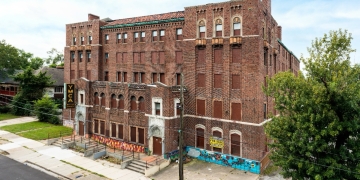
















The ACLU of Michigan (ACLU) and the Michigan Immigrant Rights Center (MIRC) call on Congress to require an independent investigation into the U.S. Immigration and Custom Enforcement (ICE) North Lake Processing Facility, where people locked up launched a hunger strike on Monday, April 27. The hunger strike is reportedly in protest of poor conditions, including a lack of medical care, as well as prolonged detention. The ACLU and MIRC have also been in contact with numerous people detained at North Lake who described similar inhumane conditions.
In the 10 months since North Lake opened as an ICE detention center, people held there have reported to the ACLU and MIRC that they have been denied both urgent and routine medical care. This includes life-threatening delays and denials of care, lack of follow-up care after hospitalization, and denial of prescription drugs or requiring payment in order to receive necessary medications. Some have described witnessing people in severe medical distress or collapsing and having to beg staff, sometimes for hours, to provide medical care. Last December, 56-year-old Nenko Stanev Gantchev died while in detention at North Lake, which some reports say is due to ICE’s failure to properly treat his diabetes. People have also reported receiving spoiled or insufficient amounts of food.
“This is all driven by the Trump administration’s cruel and xenophobic mass deportation agenda of rounding up and warehousing longtime members of our communities, forcing them to either endure indefinite detention under inhumane conditions or, out of desperation, to make the devastating choice to leave their families and communities behind, ” said Loren Khogali, executive director of the ACLU of Michigan. “We opposed the reopening of North Lake precisely because we feared that what is now happening would happen. North Lake’s conditions and practices fall dangerously short of both constitutional mandates and federal standards, and we are calling for an immediate independent investigation.”
North Lake is owned and operated by GEO Group, a private prison company that has been repeatedly sued based on reports of neglect and abuse of the people it detains. When GEO previously operated North Lake as a prison,, there were six reported hunger strikes by incarcerated individuals over conditions including inadequate medical care and insufficient food.
ACLU and MIRC call on Congress to enforce their oversight and appropriations authorities by:
- Requiring healthcare experts to conduct an independent medical audit of North Lake—and other similarly dangerous detention centers around the country—as a condition for any appropriated funds to U.S. Immigration and Customs Enforcement. The audit must include confidential interviews with people detained and access to medical records.
- Conducting an oversight visit to the North Lake detention center as soon as possible and speaking with detained individuals, especially those who are participating in the hunger strikes to ensure retaliatory actions such as force-feeding, segregation, and transfers to another facility do not take place. Past Congressional visits have been critical in shedding light on facility conditions.
- Sending a formal inquiry to ICE about the conditions at North Lake and demanding a response which should include a plan of action to improve conditions in a reasonable amount of time.
The hunger strikers at North Lake are not just protesting inhumane conditions, but also the fact that people—many of whom have lived here for decades and have U.S. citizen families—are being held for months without any consideration of their individual circumstances. The vast majority of people arrested by ICE in Michigan do not have criminal records. Additionally, federal judges in Michigan and across the country are finding that the people in immigration detention are routinely being held unlawfully without bond. If they do finally get a hearing, immigration judges are denying them bond at unprecedented rates. The result is the continued detention of people who would otherwise be at home with loved ones in their communities. While the reason for the sudden high rate of bond denials is unknown, immigration judges whom the administration views as insufficiently harsh on immigrants are being fired at alarming rates.
“This sudden, unexplained spike in bond denial rates raises questions about whether noncitizens are getting fair hearings,” said Miriam Aukerman, the ACLU’s Director of Strategic Litigation. “It is also extremely alarming that immigration judges are being fired apparently for failing to conform to the Trump administration’s inhumane mass deportation agenda. We fear that these judges, who are under the control of the executive branch, may now be forced to choose between upholding their duty to review the evidence and follow the law or face termination.”
MIRC Director Susan Reed said, “Immigration detention in Michigan has increased sevenfold in the past year. People have been arrested at hearings when the only legal purpose of detention is to ensure people appear at hearings. Detained people seeking legal assistance share their stories with us every day, and we are gravely concerned about the safety and wellbeing of the people held by the government. We urge immediate action to improve conditions and release the many who are detained needlessly.”
La ACLU y MIRC hacen un llamado al Congreso a exigir una investigación independiente sobre el Centro de Detención North Lake del ICE, tras informes de una huelga de hambre y condiciones médicas peligrosamente inadecuadas
La ACLU de Michigan (ACLU) y el Centro de Derechos de Inmigrantes de Michigan (MIRC) hacen un llamado al Congreso a exigir una investigación independiente sobre el Centro de Procesamiento North Lake del Servicio de Inmigración y Control de Aduanas de los EE.UU. (ICE), donde las personas allí recluidas iniciaron una huelga de hambre el lunes pasado. Según se informa, la huelga de hambre es una protesta contra las condiciones deficientes, incluyendo la falta de atención médica, así como contra la detención prolongada. La ACLU y MIRC también han estado en contacto con numerosas personas detenidas en North Lake, quienes describieron condiciones inhumanas similares.
En los 10 meses transcurridos desde que North Lake abrió sus puertas como centro de detención del ICE, las personas allí recluidas han informado a la ACLU y al MIRC que se les ha negado atención médica, tanto urgente como rutinaria. Esto incluye retrasos y negaciones de atención que ponen en peligro la vida, falta de seguimiento médico tras una hospitalización, y la negativa a suministrar medicamentos recetados o la exigencia de un pago para poder recibir los fármacos necesarios. Algunos han descrito haber presenciado a personas en estado de grave angustia médica o que se desplomaban, teniendo que suplicar al personal —a veces durante horas— que les brindara atención médica. El pasado diciembre, Nenko Stanev Gantchev, de 56 años, falleció mientras se encontraba detenido en North Lake; según algunos informes, su muerte se debió a la incapacidad del ICE para tratar adecuadamente su diabetes. Asimismo, las personas han reportado haber recibido alimentos en mal estado o en cantidades insuficientes.
«Todo esto está impulsado por la cruel y xenófoba agenda de deportaciones masivas de la administración Trump, que consiste en detener y almacenar a miembros de largo tiempo de nuestras comunidades, obligándolos a soportar una detención indefinida en condiciones inhumanas o, por desesperación, a tomar la devastadora decisión de dejar atrás a sus familias y comunidades», declaró Loren Khogali, directora ejecutiva de la ACLU de Michigan. “Nos opusimos a la reapertura de North Lake precisamente porque temíamos que ocurriera lo que está sucediendo ahora. Las condiciones y prácticas de North Lake incumplen peligrosamente tanto los mandatos constitucionales como las normas federales, y exigimos una investigación independiente inmediata.”
North Lake es propiedad de GEO Group y es operado por esta empresa, una compañía privada de prisiones que ha sido demandada reiteradamente a raíz de informes sobre negligencia y abusos contra las personas que mantiene detenidas. Cuando GEO operaba anteriormente North Lake como prisión, se registraron seis huelgas de hambre por parte de los reclusos, motivadas por condiciones que incluían una atención médica inadecuada y una alimentación insuficiente.
La ACLU y MIRC piden al Congreso a ejercer sus facultades de supervisión y asignación de fondos mediante las siguientes acciones:
- Exigir que expertos en atención médica realicen una auditoría médica independiente de North Lake —así como de otros centros de detención igualmente peligrosos en todo el país— como condición para la asignación de cualquier fondo al Servicio de Inmigración y Control de Aduanas de los EE.UU. (ICE). Dicha auditoría debe incluir entrevistas confidenciales con personas detenidas, así como acceso a sus expedientes médicos.
- Realizar una visita de supervisión al centro de detención de North Lake a la mayor brevedad posible y conversar con personas detenidas —especialmente con aquellas que participan en huelgas de hambre— para garantizar que no se produzcan represalias tales como la alimentación forzada, el aislamiento o el traslado a otras instalaciones. Las visitas congresuales realizadas en el pasado han resultado fundamentales para sacar a la luz las condiciones imperantes en estos centros.
- Enviar una solicitud formal de información al ICE sobre las condiciones en North Lake y exigir una respuesta que incluya un plan de acción destinado a mejorar dichas condiciones en un plazo razonable.
Los huelguistas de hambre en North Lake no solo protestan por las condiciones inhumanas, sino también por el hecho de que hay personas —muchas de las cuales han vivido aquí durante décadas y tienen familiares que son ciudadanos estadounidenses— que permanecen detenidas durante meses sin que se tome en consideración ninguna de sus circunstancias individuales. La inmensa mayoría de las personas arrestadas por ICE en Michigan no tienen antecedentes penales. Además, jueces federales tanto en Michigan como en el resto del país están determinando que las personas bajo detención migratoria son, de manera rutinaria, retenidas ilegalmente y sin derecho a fianza. Si finalmente logran obtener una audiencia, los jueces de inmigración les niegan la fianza a un ritmo sin precedentes. El resultado es la detención continuada de personas que, de otro modo, estarían en sus hogares junto a sus seres queridos y en el seno de sus comunidades. Si bien se desconoce la razón detrás de esta repentina y elevada tasa de negaciones de fianza, los jueces de inmigración que la actual administración considera insuficientemente severos con los inmigrantes están siendo destituidos a un ritmo alarmante.
«Este repentino e inexplicable aumento en las tasas de negación de fianzas plantea preguntas sobre si los no ciudadanos están recibiendo audiencias justas», dijo Miriam Aukerman, directora de Litigios Estratégicos de la ACLU. «También resulta sumamente alarmante que se esté despidiendo a jueces de inmigración, al parecer por no ajustarse a la inhumana agenda de deportaciones masivas de la administración Trump. Tememos que estos jueces —quienes se encuentran bajo el control del poder ejecutivo— se vean ahora obligados a elegir entre cumplir con su deber de revisar las pruebas y acatar la ley, o enfrentarse al despido».
Susan Reed, directora del MIRC, declaró: «La detención de inmigrantes en Michigan se ha multiplicado por siete en el último año. Se ha detenido a personas durante las propias audiencias, cuando el único propósito legal de la detención es garantizar que las personas comparezcan ante el tribunal. Las personas detenidas que buscan asistencia legal comparten sus historias con nosotros a diario, y nos preocupa gravemente la seguridad y el bienestar de quienes se encuentran bajo custodia del gobierno. Recomendamos que se tomen medidas inmediatas para mejorar las condiciones y poner en libertad a las muchas personas que permanecen detenidas de manera innecesaria».