
















Beyond the final election results, Latinos can already point to a historic milestone.
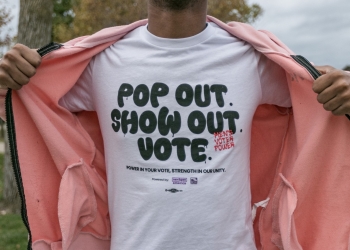
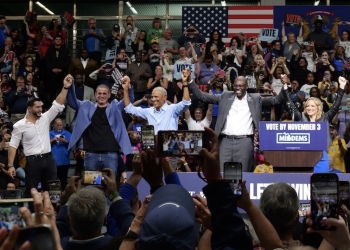
I am referring to breaking through the barriers of apathy and driving an electoral mobilization unprecedented in recent US midterm elections.
More than 5.2 million Hispanics had already voted early, either by mail or in person, an extraordinary 80% increase over the 2.9 million recorded at the same point before the 2022 elections, according to Voto Latino and TargetSmart.
At that point, our community accounted for 12.75% of all early votes, compared with roughly 8.8% four years earlier.
But behind the numbers, an even more significant phenomenon is emerging. I am referring to the political advance of a community that for decades has had a demographic presence far greater than its electoral influence.
The phenomenon is particularly notable among young people, since more than 406,000 Latinos aged 18 to 29 had already cast early ballots.
And in Texas, one of the main battlegrounds, hundreds of thousands of Hispanic voters who did not take part in the 2024 presidential election have now gone to the polls.
Inflation, rising housing costs, insufficient wages, and Donald Trump’s immigration policies have placed deeply personal issues at the center of electoral decisions. And many Latinos are also voting for those who still cannot vote.
Pew Research found that 53% of registered Latinos who support Democratic candidates describe themselves as extremely motivated to vote, compared with 41% in 2022.
Our presence is also beginning to transform the ballot.
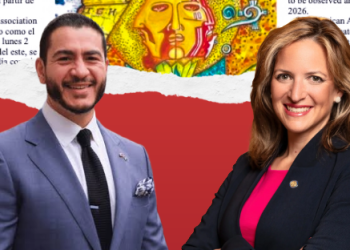
This year, more than 100 Latino candidates are competing for seats in Congress across 23 states, a record.
In 24 House races, at least two Hispanic candidates are facing off, a sign of our community’s growing political diversity.
The growth is notable, though still insufficient. We are roughly 39 million eligible voters, 16% of the national electorate, yet our political representation continues to lag behind that demographic weight.
It is worth remembering that voting early does not necessarily mean increasing overall turnout. The true reach of this awakening will only be known once the count is complete.
Still, one thing is already clear: millions of Latinos are ceasing to be spectators and becoming protagonists.
History does not begin when we win an election. It begins when we make our voice heard. And this year, Latinos have made ours heard.