















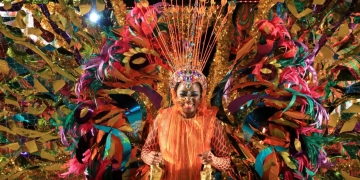



Uruguay is a small country in South America, located between Argentina and Brazil, with coastlines along the Atlantic Ocean and the Río de la Plata. Its official name is the Oriental Republic of Uruguay, and its capital is Montevideo, a city that serves as the country’s main political, economic, and cultural center. Uruguay is known for its vast grasslands, Atlantic beaches, and coastline along the Río de la Pata.
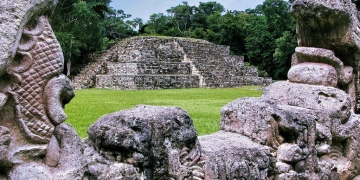
The history of Uruguay goes back much further than the arrival of Europeans. Archaeological research has uncovered evidence of human presence dating back at least 13,000 years. Among the Indigenous peoples who inhabited this region were the Charrúa, Guenoa-Minuanes, Chaná, Guaraní, and Bohanes, among others. These communities had different forms of social organization and engaged in activities such as hunting, fishing, gathering, and agriculture. They also built mounds known as *cerritos*, some of which are approximately 5,000 years old. Indigenous history should not be seen simply as a vanished past, since individuals and organizations today continue to reclaim these roots and their place in Uruguay’s cultural identity.
The Spanish arrived in the 16th century, when Juan Díaz de Solís reached the Río de la Plata in 1516. However, European colonization progressed slowly, and during the 17th century, the Portuguese and Spanish competed for control of the region. In 1680, the Portuguese founded Colonia del Sacramento, while the Spanish established Montevideo as a settlement during the 18th century. In the early 19th century, the territory known as the Banda Oriental became involved in the South American independence movements. One of the key figures in this process was José Gervasio Artigas, considered one of Uruguay’s greatest national heroes. Following the Portuguese occupation, the territory was incorporated into the United Kingdom of Portugal, Brazil and the Algarves in 1821, becoming known as the Cisplatine Province. In 1825, the Thirty-Three Orientals, led by Juan Antonio Lavalleja, launched an uprising against Brazilian rule. Uruguay’s independence was recognized through the Preliminary Peace Convention of 1828, and on July 18, 1830, the country’s first Constitution was sworn in.
Over the following decades, Uruguay went through political conflicts and internal struggles, but it also experienced significant social and economic changes. European immigration, particularly from Spain and Italy, helped shape a society strongly influenced by cultures from the other side of the Atlantic. In the late 19th and early 20th centuries, educational, labor, and social reforms helped establish a state with a strong tradition of social protection.
Thanks to its extensive grasslands, which provide favorable conditions for raising cattle and sheep, meat production and exports have become a fundamental part of Uruguay’s economy.
Uruguayan society shares many cultural characteristics with Argentina, particularly its Río de la Plata heritage, musical traditions, and food customs. The official language is Spanish, although the country’s proximity to Brazil has influenced local expressions and ways of speaking through contact with Portuguese. This has led to a regional blend of the two languages known as Portuñol.
Mate is one of the most representative elements of everyday life in Uruguay. It is prepared using ground yerba mate leaves and hot water, and traditionally drunk through a spoon-shaped metal straw with a filter, known as a *bombilla*. Mate has Indigenous roots connected to Guaraní culture and is an important part of social life, bringing people together and encouraging conversation.
Tango, both a musical genre and a dance, originated in maritime settings, while candombe is a musical and cultural expression closely linked to Afro-descendant communities. In 2009, candombe was recognized by UNESCO as Intangible Cultural Heritage of Humanity.

Uruguay offers a wide variety of tourist attractions. In Montevideo, visitors can explore the Old Town, Independence Square, Solís Theatre, and Port Market, or enjoy a walk along the Rambla, a long coastal avenue that runs alongside the Río de la Plata. Punta del Este is home to the famous sculpture known as La Mano, located on Brava Beach. Cabo Polonio offers a different kind of experience, with its dunes, beaches, lighthouse, and natural surroundings. Other popular destinations include Piriápolis and the thermal resorts in the north, such as Daymán and Arapey.
Uruguayan cuisine is closely tied to its livestock industry and the culinary traditions brought by immigrant communities, particularly those from Italy. Asado is one of the country’s most important culinary traditions and much more than just a meal: it is an opportunity to get together with family and friends. It is slowly cooked over hot coals and can include different cuts of beef, chorizo, blood sausage, and other types of offal.
Uruguay also has a well-established winemaking tradition. Its most representative grape variety is Tannat, which originated in southwestern France and arrived in Uruguay during the 19th century. The immigrant Pascual Harriague played a key role in promoting its cultivation around 1870, eventually turning it into one of the defining features of Uruguayan wine. Along the coast, fish and seafood are also part of the local culinary scene.
Uruguay es un pequeño país de Sudamérica que se encuentra entre Argentina y Brasil, con costas sobre el océano Atlántico y el Río de la Plata. Su nombre oficial es República Oriental del Uruguay y su capital es Montevideo, una ciudad que concentra buena parte de la actividad política, económica y cultural del país. Cuenta con extensas praderas, playas al Atlántico, así como una ribera en el Río de la Plata.
La historia del territorio uruguayo es mucho más antigua que la llegada de los europeos. Las investigaciones arqueológicas han encontrado evidencias de presencia humana de al menos 13,000 años de antigüedad. Entre los pueblos indígenas que habitaron esta región se encontraban los charrúas, guenoa-minuanos, chanás, guaraníes y bohanes, entre otros. Estas comunidades tenían distintas formas de organización y desarrollaron actividades como la caza, la pesca, la recolección y la agricultura. También construyeron montículos conocidos como cerritos, algunos de los cuales tienen aproximadamente 5,000 años de antigüedad. La historia indígena no debe entenderse únicamente como un pasado desaparecido, pues actualmente existen personas y organizaciones que reivindican estas raíces y su presencia en la identidad cultural uruguaya.
La llegada de los españoles ocurrió en el siglo XVI, cuando Juan Díaz de Solís llegó al Río de la Plata en 1516. Sin embargo, la colonización europea avanzó lentamente y durante el siglo XVII portugueses y españoles disputaron el control de la región. En 1680, los portugueses fundaron Colonia del Sacramento, mientras que los españoles consolidaron Montevideo como asentamiento durante el siglo XVIII. A principios del siglo XIX, el territorio conocido como Banda Oriental participó en los movimientos independentistas sudamericanos. Una figura fundamental fue José Gervasio Artigas, considerado uno de los principales héroes nacionales. Después de la ocupación portuguesa, el territorio fue incorporado en 1821 al Reino Unido de Portugal, Brasil y Algarve como Provincia Cisplatina. En 1825, los Treinta y Tres Orientales, encabezados por Juan Antonio Lavalleja, iniciaron un levantamiento contra el dominio brasileño. La independencia fue reconocida mediante la Convención Preliminar de Paz de 1828 y, el 18 de julio de 1830, se juró la primera Constitución del país.
Durante las siguientes décadas, Uruguay atravesó conflictos políticos y enfrentamientos internos, pero también experimentó importantes transformaciones sociales y económicas. La inmigración europea, especialmente de españoles e italianos, contribuyó a formar una sociedad con fuertes influencias culturales del otro lado del Atlántico. A finales del siglo XIX y principios del XX se impulsaron reformas educativas, laborales y sociales que contribuyeron a desarrollar un Estado con una importante tradición de protección social.
Debido a las extensas praderas que favorecen la crianza de ganado bovino y ovino, la producción y exportación de carne forman parte fundamental de su actividad económica.
La sociedad uruguaya comparte muchas características culturales con Argentina, particularmente por su historia rioplatense, sus tradiciones musicales y sus costumbres gastronómicas. El idioma oficial es el español, aunque existen expresiones y formas de hablar propias de la cercanía con Brasil, por tanto, el portugués, que ha llevado a una fusión regional a la que se le llama el portuñol.
La bebida Mate es la más representativas de la vida cotidiana de todo uruguayo. La bebida es elaborada con yerba mate triturada a la que se le agrega agua caliente y se bebe a través de un tipo de pipeta acucharada con rejilla. El mate tiene raíces indígenas relacionadas con la cultura guaraní y funciona como una forma de convivencia y encuentro.
El Tango música y baile vienen de los ambientes marineros; el candombe, en cambio, es una expresión musical y cultural vinculada con las comunidades afrodescendientes. Este último fue reconocido por la UNESCO como Patrimonio Cultural Inmaterial de la Humanidad en 2009.
El turismo ofrece alternativas bastante variadas, desde la visita a Montevideo con su Ciudad Vieja, la Plaza Independencia, el Teatro Solís, el Mercado del Puerto, o los paseos por la Rambla, una extensa avenida costera que bordea el Río de la Plata. Punta del Este es donde se encuentra la escultura de La Mano en Playa Brava. Cabo Polonio ofrece una experiencia diferente, con dunas, playas, un faro y un entorno natural. También destacan Piriápolis y los destinos termales del norte, como Daymán y Arapey.
La gastronomía uruguaya está estrechamente relacionada con su actividad ganadera y con las influencias de las comunidades inmigrantes, como la fuerte influencia italiana. El asado es uno de sus grandes protagonistas y mucho más que una comida: representa una ocasión para reunirse con familiares y amigos. Se prepara lentamente sobre brasas y puede incluir diferentes cortes de carne vacuna, chorizos, morcillas y otras achuras.
Uruguay cuenta con una importante tradición vitivinícola. Su variedad de uva más representativa es la Tannat, originaria del sudoeste de Francia y que llegó a Uruguay durante el siglo XIX. Fue el inmigrante Pascual Harriague quien impulsó su cultivo alrededor de 1870, hasta convertirla en una de las principales referencias de los vinos uruguayos. En las regiones costeras, por su parte, también se pueden encontrar pescados y mariscos que forman parte de la oferta gastronómica local.