















Saint Barthélemy, also known as Saint-Barthélemy or Saint-Barth, is a small Caribbean island that is part of the French Antilles. It was called Ouanalao by the Amerindians, which, although it has not been fully confirmed, may mean fertile land. Thus, Saint Barthélemy, like many Caribbean islands, is the epitome of paradise; however, there is something that makes it exceptional, and that is the importance it has been given as a gastronomic and culinary center.

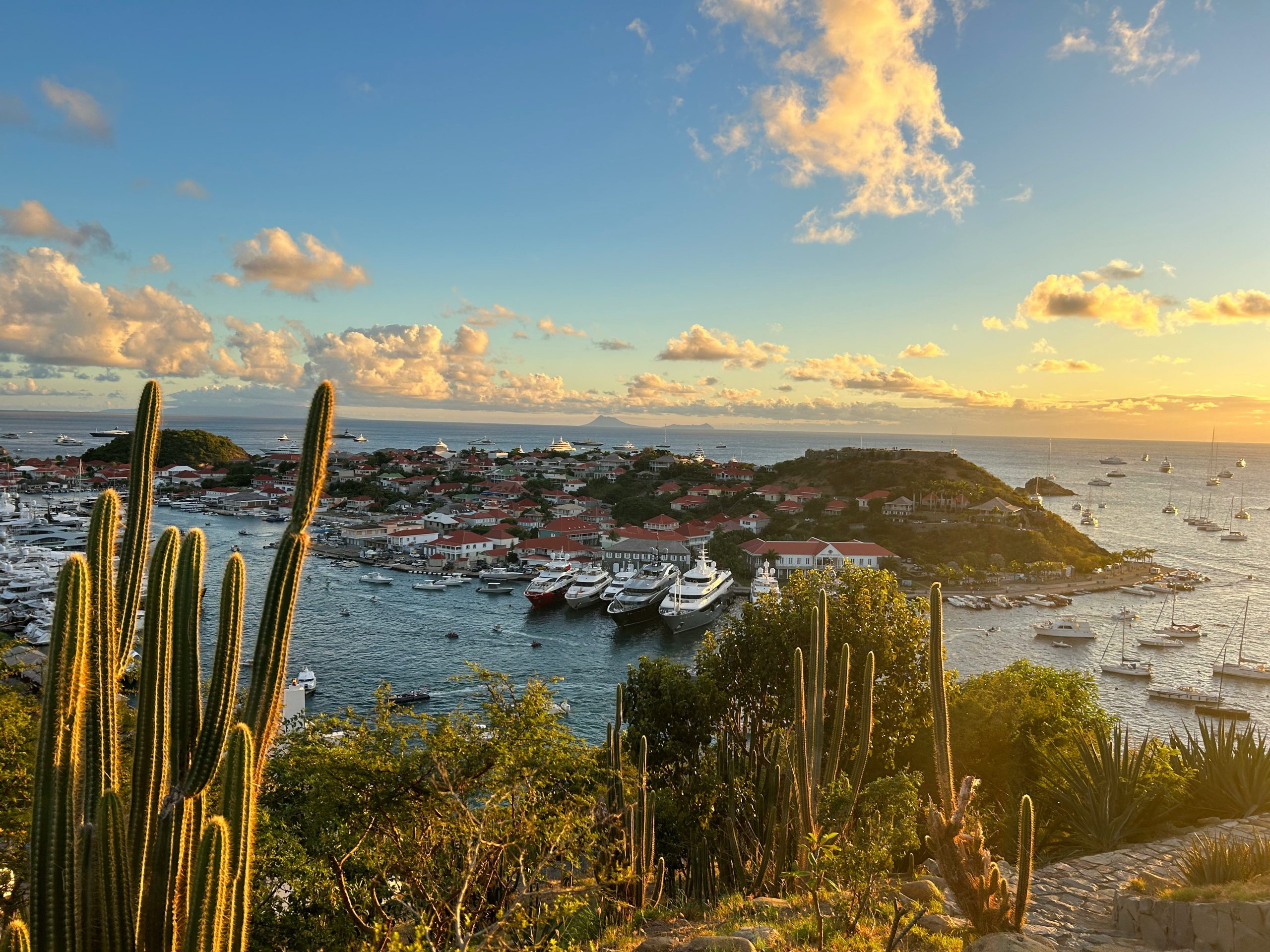
With an area of 8.5 square miles and a population of just over 10,000 people, it is the smallest of the French islands in the Caribbean. Its capital is Gustavia, a port city that concentrates much of the island’s commercial, tourist, and cultural activity. Although it is currently known for its beaches, hotels, and restaurants, its identity has been shaped by different historical periods and by the coexistence of Caribbean traditions and European heritage.
Before the arrival of Europeans, Saint Barthélemy was inhabited by different Amerindian and Caribbean peoples, mainly Arawak and Taíno communities. French colonial presence began in the 17th century, and in 1674, the territory became linked to the French Crown and the colony of Guadeloupe. However, the island’s history took a different direction in the 18th century, when France exchanged sovereignty over the island with Sweden in 1784 in exchange for commercial privileges in the ports of Gothenburg. In March 1785, it officially came under Swedish rule and received the name Gustavia in honor of King Gustav III of Sweden. During almost a century of Swedish administration, its free port, or freely administered port, contributed to the island’s commercial prosperity. In March 1878, Sweden ceded the island of Saint Barthélemy again following a local referendum so that it could be reincorporated into France.
The legacy of that period can still be observed in Gustavia, especially in some buildings and areas related to the old port. Among the places that can be visited are Fort Gustav and Fort Karl, which offer views of the bay, as well as Wall House and the Brigantin Museum, dedicated to different aspects of the local heritage. Walking through the streets of Gustavia allows visitors to find a particular combination of architecture, shops, galleries, restaurants, and buildings that recall both its French and Swedish past.
Saint Barthélemy’s relationship with France also has a particular political dimension. After having been part of the department of Guadeloupe, in July 2007 the island acquired the status of an overseas collectivity. It currently has a Territorial Council made up of 19 members and its own institutions for local administration. At the same time, it remains part of French territory and has representation in the French Parliament. Therefore, Saint Barthélemy is not an independent country, but a French overseas collectivity with its own institutional system.
Saint-Jean Beach is one of the best-known beaches and is located next to the airport, while Colombier offers a more secluded setting that can be reached on foot or by sea. Saline stands out for its more natural landscape and for its former areas associated with salt production. Near Gustavia is Shell Beach, whose name is related to the presence of shell fragments in its sand.
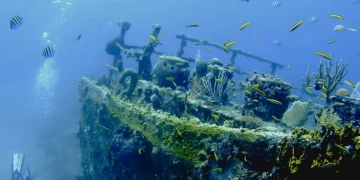
The marine environment is also an important part of Saint Barthélemy’s heritage. Part of the territory is protected as a nature reserve, and its waters are home to a considerable diversity of species, including around 50 types of coral and approximately 180 varieties of fish, according to the French Ministry of Overseas Territories. This richness makes it possible to enjoy activities such as diving, snorkeling, and observing sea turtles, among others.
Gastronomy reflects another dimension of the island’s identity. Saint Barthélemy’s cuisine combines French culinary traditions with products and cooking methods connected to the Caribbean. Seafood plays an important role, and the gastronomic offerings include fish, shellfish, and lobster dishes, as well as a variety of options that combine French techniques with international and West Indian influences. This relationship between France and the Caribbean is also expressed through the Le Saint Barth Gourmet Festival, a gastronomic event that brings together French chefs and is held annually during the second week of November; this year, from November 9 to 15, 2026.

In places such as Corossol, elements related to traditional ways of life can still be found. This former fishing village preserves colorful houses, traditional boats, and craft practices such as weaving latanier leaves to make baskets and hats.
Thus, the experience of visiting Saint Barthélemy goes beyond its beaches and its image as an exclusive tourist destination: it also offers an opportunity to learn about an island society shaped by colonial history, French and Swedish heritage, Caribbean traditions, and a close relationship with the sea, together with the culinary marvel it possesses.
San Bartolomé, también conocida como Saint-Barthélemy o Saint-Barth, es una pequeña isla del Caribe que forma parte de las Antillas Francesas. Llamada por los amerinidios Ouanalao, que aunque no esté del todo confirmado, puede significar tierra Fértil. Así, San Bartolomé, como muchas islas del caribe es epítome del paraíso, sin embargo, tiene algo que la hace excepcional, y es la importancia que le ha dado como centro gastronómico-culinario.
Cuenta con una superficie de 8.5 Millas cuadradas y poco más de 10 mil habitantes, es la más pequeña de las islas francesas del Caribe. Su capital es Gustavia, una ciudad portuaria que concentra buena parte de la actividad comercial, turística y cultural de la isla. Aunque actualmente es reconocida por sus playas, hoteles y restaurantes, su identidad se ha formado a partir de diferentes etapas históricas y de la convivencia entre tradiciones caribeñas y herencias europeas.
Antes de la llegada de los europeos, San Bartolomé estuvo habitada por diferentes pueblos amerindios y caribeños, principalmente las comunidades arawak y taínas. En el siglo XVII comenzó la presencia colonial francesa y, en 1674, el territorio quedó vinculado a la Corona francesa y a la colonia de Guadalupe. Sin embargo, la historia de la isla tomó un rumbo diferente en el siglo XVIII, cuando Francia la intercambió con Suecia en 1784 el dominio de la isla a cambio de privilegios comerciales en los puertos de Gotemburgo. En marzo de 1785 pasó oficialmente a manos suecas y recibió el nombre de Gustavia en honor al rey Gustavo III de Suecia. Durante casi un siglo de administración sueca, su puerto franco o de administración libre, contribuyó a la prosperidad comercial de la isla. En marzo de 1878 Suecia cede de nuevo posterior a un referéndum local, la isla de San Bartolomé para que ésta fuese reincorporada a Francia.
La huella de aquel periodo todavía puede observarse en Gustavia, especialmente en algunos edificios y espacios relacionados con el antiguo puerto. Entre los lugares que se pueden visitar se encuentran Fort Gustav y Fort Karl, desde donde se obtienen vistas de la bahía, así como Wall House y el Brigantin Museum, dedicados a diferentes aspectos del patrimonio local. Caminar por las calles de Gustavia permite encontrar una combinación particular de arquitectura, comercios, galerías, restaurantes y construcciones que recuerdan tanto su pasado francés como el sueco.
La relación de San Bartolomé con Francia también tiene una dimensión política particular. Después de haber formado parte del departamento de Guadalupe, en julio de 2007 la isla adquirió el estatus de colectividad de ultramar. Actualmente cuenta con un Consejo Territorial integrado por 19 miembros y con instituciones propias para su administración. Al mismo tiempo, continúa formando parte del territorio francés y cuenta con representación en el Parlamento francés. Por ello, San Bartolomé no es un país independiente, sino una colectividad francesa de ultramar con un régimen institucional propio.
La playa de Saint-Jean es una de las más conocidas y se encuentra junto al aeropuerto, mientras que Colombier ofrece un entorno más apartado al que se llega a pie o por mar. Saline destaca por su paisaje más natural y por sus antiguos espacios relacionados con la producción de sal. Cerca de Gustavia se encuentra Shell Beach, cuyo nombre está relacionado con la presencia de fragmentos de conchas en su arena.
La naturaleza marina también forma parte importante del patrimonio de San Bartolomé. Parte del territorio está protegido como reserva natural y sus aguas albergan una diversidad considerable de especies, entre ellas alrededor de 50 tipos de coral y unas 180 variedades de peces, de acuerdo con el Ministerio francés de Ultramar. Esta riqueza permite desarrollar actividades como el buceo, el esnórquel, y la observación de tortugas marinas, entre otras.
La gastronomía refleja otra dimensión de la identidad de la isla. La cocina de San Bartolomé combina la tradición culinaria francesa con productos y formas de preparación vinculadas al Caribe. Los productos del mar ocupan un lugar importante y la oferta gastronómica incluye preparaciones con pescados, mariscos y langosta, además de una variedad de propuestas que mezclan técnicas francesas con influencias internacionales y antillanas. Esta relación entre Francia y el Caribe también se expresa en el Le Saint Barth Gourmet Festival, encuentro gastronómico que reúne a chefs franceses y que se celebra anualmente en la segunda semana de noviembre; este año del 9 al 15 de noviembre del 2026.
En lugares como Corossol todavía pueden encontrarse elementos relacionados con formas de vida tradicionales. Este antiguo pueblo pesquero conserva casas de colores, embarcaciones tradicionales y prácticas artesanales como el tejido de hojas de latanier para elaborar cestas y sombreros.
Así, la experiencia de visitar San Bartolomé va más allá de sus playas y de su imagen como destino turístico exclusivo: también permite conocer una sociedad insular marcada por la historia colonial, la herencia francesa y sueca, las tradiciones caribeñas y una estrecha relación con el mar, aunado a la maravilla culinaria que tiene.