
















Saint Vincent and the Grenadines is an island country in the Caribbean, part of the Lesser Antilles, located between Saint Lucia and Grenada. It is made up of 32 islands, islets, and cays, with Saint Vincent being the largest and northernmost island. Its capital is Kingstown, located on the southwestern coast of the main island. The country is known for its volcanic landscapes, mountains covered in tropical vegetation, white-sand beaches, and crystal-clear waters.

Before the arrival of Europeans, the territory was inhabited by different Indigenous peoples, including the Arawak and the Kalinago, also known as Caribs. The latter strongly resisted European colonization, making Saint Vincent one of the Caribbean territories where European settlement faced the greatest challenges. By the late 17th century, the Indigenous population had also begun mixing with Africans who arrived on the island, some of whom had survived the wreck of a Dutch ship transporting enslaved people. This union gave rise to an Afro-Indigenous community known as the Garifuna or Black Caribs, which developed its own cultural identity.
During the 18th century, the French and British fought for control of the island. The French established agricultural plantations worked by enslaved Africans, while the British attempted to expand their control over the territory. In 1763, Saint Vincent officially came under British rule through the Treaty of Paris, although France briefly occupied it again in 1779. British control was finally established in 1783. Garifuna resistance continued throughout these conflicts, reaching one of its most important moments under the leadership of Joseph Chatoyer, who led the struggle against the British and died in 1795. Following the defeat of the resistance, thousands of Garifuna people were deported, first to Balliceaux and later to Roatán, off the coast of Honduras. From there, their descendants spread throughout different parts of Central America.
Saint Vincent and the Grenadines remained under British rule for almost two centuries and gained independence on October 27, 1979. Its colonial economy was shaped by plantations producing sugar, cotton, coffee, tobacco, and cocoa. After the abolition of slavery in the British colonies, indentured workers from Madeira and India arrived, contributing to the country’s cultural diversity.
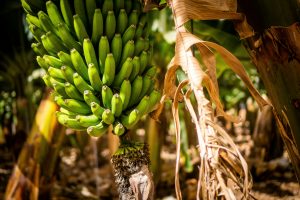
Today, the economy combines agriculture, services, and tourism. For many years, banana cultivation was one of the country’s main economic activities and an important source of export income, although changes in international trade conditions reduced its importance. Fishing also plays a role in the economy and everyday diet, while tourism has become increasingly important thanks to the country’s beaches, natural landscapes, and water-based activities.
One of the main natural attractions is La Soufrière volcano, located in the northern part of Saint Vincent. Standing approximately 1,234 meters high, it is an active volcano that has erupted several times throughout history, including in 2021. Its surroundings offer hiking trails and opportunities to explore the island’s tropical forests. Other highlights include Dark View Falls and Falls of Baleine, surrounded by rock formations and lush vegetation. In Kingstown, visitors can explore the Botanical Gardens, established in the 18th century and considered among the oldest in the Western Hemisphere.
The capital also preserves historic buildings connected to its colonial past. One of the best-known landmarks is Fort Charlotte, a British fortification completed in 1806, which offers views of the city and part of the archipelago. Other interesting places include Owia Salt Pond, a natural pool formed among volcanic rocks, and Wallilabou Heritage Park, which is connected to the island’s historical and cultural heritage.
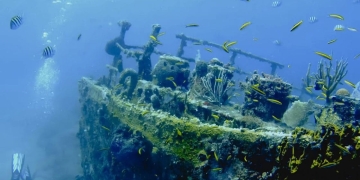
The Grenadines are home to some of the country’s best-known tourist destinations. Bequia stands out for its maritime traditions, beaches, and small coastal communities. Mustique is known for its tourist accommodations and exclusive atmosphere, while Canouan and Union Island attract visitors interested in beaches and water sports. One of the archipelago’s most remarkable places is Tobago Cays Marine Park, made up of five small islands surrounded by coral reefs, protected lagoons, and clear waters. It is an ideal destination for snorkeling, diving, and sailing, as well as observing sea turtles in their natural habitat.
The cuisine reflects the combination of African, Indigenous, and European traditions that have shaped the country’s culture. Fish and seafood play an important role in the local diet, along with locally grown agricultural products. One of the most representative dishes is *fried jackfish and roasted breadfruit*, which consists of fried jackfish served with roasted breadfruit, an ingredient widely used in local cooking. Tropical fruits and vegetables are also commonly eaten, while popular drinks include rum and Hairoun beer, which is brewed in the country.
San Vicente y las Granadinas es un país insular del Caribe que forma parte de las Antillas Menores, entre Santa Lucía y Granada. Está compuesto por 32 islas, islotes y cayos, de los cuales San Vicente es la isla más grande y septentrional. Su capital es Kingstown, situada en la costa suroeste de la isla principal. El territorio se caracteriza por sus paisajes volcánicos, montañas cubiertas de vegetación tropical, playas de arena blanca y aguas cristalinas.
Antes de la llegada de los europeos, el territorio estaba habitado por distintos pueblos indígenas, entre ellos los arawak y los kalinago, conocidos también como caribes. Estos últimos ofrecieron una fuerte resistencia a los intentos de colonización europea. A finales del siglo XVII, la población indígena comenzó a mezclarse con africanos que llegaron a la isla, algunos de ellos procedentes de un naufragio de un barco neerlandés que transportaba personas esclavizadas. De esta unión surgió una comunidad afroindígena conocida como garífuna o caribes negros, que desarrolló una identidad cultural propia.
Durante el siglo XVIII, franceses y británicos disputaron el control de la isla. Los franceses establecieron plantaciones agrícolas trabajadas por personas africanas esclavizadas, mientras que los británicos intentaron extender su dominio. En 1763, San Vicente pasó formalmente a manos británicas mediante el Tratado de París, aunque Francia volvió a ocuparla temporalmente en 1779. Finalmente, el dominio británico quedó establecido en 1783. La resistencia garífuna continuó durante estos enfrentamientos y tuvo uno de sus momentos más importantes bajo el liderazgo de Joseph Chatoyer, quien encabezó la lucha contra los británicos y murió en 1795. Tras la derrota, miles de garífunas fueron deportados, primero a Balliceaux y posteriormente a Roatán, frente a las costas de Honduras. Desde allí, sus descendientes se extendieron por distintas regiones de Centroamérica.

San Vicente y las Granadinas permaneció bajo dominio británico durante casi dos siglos y obtuvo su independencia el 27 de octubre de 1979. Su economía colonial estuvo marcada por las plantaciones de azúcar, algodón, café, tabaco y cacao. Después de la abolición de la esclavitud en las colonias británicas, llegaron trabajadores contratados procedentes de Madeira y de la India, quienes contribuyeron a la diversidad cultural del país.
En la actualidad, la economía combina la agricultura, los servicios y el turismo. Durante mucho tiempo, el cultivo del plátano fue una de sus principales actividades y una fuente importante de ingresos por exportación, aunque los cambios en las condiciones comerciales internacionales redujeron su importancia. La pesca también forma parte de la economía y de la alimentación cotidiana, mientras que el turismo ha adquirido mayor relevancia gracias a sus playas, paisajes naturales y actividades marítimas.
Uno de los principales atractivos naturales es el volcán La Soufrière, situado al norte de San Vicente. Con aproximadamente 1,234 metros de altura, es un volcán activo que ha tenido diversas erupciones, incluida la de 2021. Sus alrededores ofrecen rutas para practicar senderismo y conocer los bosques tropicales. También destacan las cascadas Dark View Falls y Falls of Baleine, rodeadas de formaciones rocosas y vegetación abundante. En Kingstown se encuentra el Jardín Botánico, establecido en el siglo XVIII y considerado uno de los más antiguos del hemisferio occidental.
La capital conserva edificios históricos relacionados con su pasado colonial. Entre ellos destaca Fort Charlotte, una fortificación construida por los británicos y terminada en 1806, desde donde se puede observar la ciudad y parte del archipiélago. Otros sitios interesantes son Owia Salt Pond, una piscina natural formada entre rocas volcánicas, y Wallilabou Heritage Park, relacionado con el patrimonio histórico y cultural de la isla.
En las Granadinas se encuentran algunos de los destinos turísticos más conocidos. Bequia destaca por su tradición marítima, sus playas y pequeñas comunidades costeras. Mustique es conocida por sus alojamientos turísticos y su ambiente exclusivo, mientras que Canouan y Union Island atraen visitantes interesados en las playas y los deportes acuáticos. Uno de los lugares más representativos es el Parque Marino Tobago Cays, formado por cinco pequeños islotes rodeados de arrecifes de coral, lagunas protegidas y aguas transparentes. Es un sitio ideal para practicar esnórquel, buceo y navegación, además de observar tortugas marinas en su entorno natural.
La gastronomía refleja la combinación de tradiciones africanas, indígenas y europeas. El pescado y los mariscos ocupan un lugar importante en la alimentación, junto con productos agrícolas locales. Uno de los platillos más representativos es el fried jackfish and roasted breadfruit, que consiste en pescado jackfish frito acompañado de fruta del pan asada, un ingrediente muy utilizado en la cocina local. También se consumen frutas tropicales y vegetales, mientras que entre las bebidas populares se encuentran el ron y la cerveza Hairoun, elaborada en el país.