















Venezuela is a country in South America, with coastlines along the Caribbean Sea and the Atlantic Ocean, as well as territory within the Amazon region.

Its capital is Caracas, and its landscapes are incredibly diverse, ranging from beaches and islands to mountains, rainforests, vast plains, and mighty rivers. This natural diversity is also. an important part of the country’s cultural identity.
Before the arrival of the Spanish, the region was home to numerous Indigenous peoples. Among them are the Wayuu, who mainly live in the state of Zulia; the Warao, associated with the Orinoco Delta; the Pemón, from the Gran Sabana region; and the Yanomami, who live in the Amazon area. Their knowledge of the natural environment, languages, and cultural traditions continue to be an important part of Venezuelan life.
In 1498, during his third voyage, Christopher Columbus exploredpart of the Venezuelan coastline. Spanish colonization lasted for several centuries, and on July 5, 1811, a congress declared Venezuela’s independence. The war continued until the patriot victor y at the Battle of Carabobo in 1821 secured the independence movement. Venezuela later became part of Gran Colombia before separating from it in 1830 and establishing itself as an independent republic. Venezuelan culture is the result of a blend of Indigenous, African, and European roots. One of its best-known traditions is joropo, a musical and dance style featuring the harp, cuatro (a small four-string guitar), and maracas, although instruments and styles vary from one region to another.
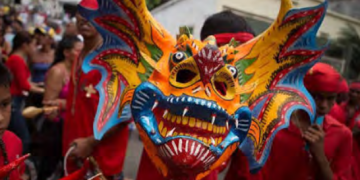
Its songs often tell stories of love, nature, and everyday life. Along the central coast, communities celebrate the festivities honoring Saint John the Baptist with drums, singing, dancing, and religious processions. Another internationally recognized tradition is the Dancing Devils of Corpus Christi, whose participants wear colorful costumes and masks during religious celebrations. In the state of Bolívar, the El Callao Carnival stands out for its lively parades, traditional characters, and calypso music, which reflects the region’s Afro-Caribbean heritage.
Among Venezuela’s top tourist destinations is Canaima National Park, in the southeast of the country, famous for its tepuis (flat-topped mountains) and Angel Falls, one of the tallest waterfalls in the world. The Los Roques archipelago draws visitors with its beautiful beaches, small islands, and crystal-clear waters, while the Venezuelan Andes offer impressive mountain scenery around Mérida. Visitors can also explore Coro and its port, a historic area known for its colonial architecture and recognized by UNESCO.
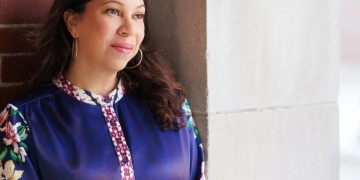
Carmen Verde Arocha (Caracas, (Caracas, May 11, 1967) is a Venezuelan writer, poet, researcher, editor, cultural manager, and educator.

Magdalene in Geneva
I
I danced in Geneva,
a city
of gardens
with the scent of the sea, the whistles of trains, and mountain landscapes, seemingly painted, with tales of death.
In the distance, an orchestra from another time played just for me.
My feet
danced upon the damp earth.
The eucalyptus trees moved toward the barren place.
The wind loved me fiercely.
The birds
came weary from the depths.
And within me, the echo of footsteps lingered on,
like a monastery bell ringing lazily.
II
I knew nothing
of life’s sorrows.
I believed myself eternal, wicked, untouchable.
Amid the fountains,
I dipped my feet in the waters
of parks adorned with bandstands.
Wines and delicacies stretched my destiny beyond the forests.
The irony of the lakes shaped a life in tatters.
I fell.
I came to know the glass in Paradise.
III
Silence closed my wounds, though all I longed for
was to wake before dawn,
to find a quiet corner of a church with its interwoven walls,
or a stretch of grass
where I could sleep in peace.
Yet beneath those clouds that seem to shelter us, there is no dream waiting for me.
Venezuela es un país de América del Sur, con costas en el mar Caribe y el océano Atlántico, así como territorio en el Amazonas.
Su capital es Caracas y su territorio reúne paisajes diversos, desde playas e islas hasta montañas, selvas, llanuras y grandes ríos. Esta variedad natural también forma parte de su identidad cultural.
Antes de la llegada de los españoles, el territorio estaba habitado por numerosos pueblos indígenas. Entre ellos se encuentran los wayuu, principalmente en el estado Zulia; los warao, vinculados con el delta del Orinoco; los pemón, en la región de la Gran Sabana; y los yanomami, en la zona amazónica. Sus conocimientos sobre el entorno, sus idiomas y sus expresiones culturales continúan formando parte de la vida venezolana.
En 1498, durante su tercer viaje, Cristóbal Colón recorrió parte de la costa venezolana. La colonización española se extendió durante varios siglos y, el 5 de julio de 1811, un Congreso declaró
la independencia. La guerra continuó hasta que la victoria patriota en la batalla de Carabobo, en 1821, aseguró el proceso. Después, Venezuela formó parte de la Gran Colombia y se separó de ella en 1830 para constituirse como república independiente.
La cultura venezolana es resultado del encuentro de raíces indígenas, africanas y europeas. Una de sus tradiciones más conocidas es el joropo, una expresión musical y dancística que combina arpa, cuatro y maracas, aunque los instrumentos y estilos cambian según la región. Sus canciones suelen hablar del amor, la naturaleza y la vida cotidiana. En las comunidades de la costa central se celebra el ciclo festivo de San Juan Bautista, con tambores, cantos, bailes y procesiones. Otra manifestación reconocida internacionalmente son los Diablos Danzantes de Corpus Christi, cuyos participantes usan máscaras y trajes durante las celebraciones religiosas. En el estado Bolívar, el Carnaval de El Callao destaca por sus comparsas, personajes tradicionales y música calipso, relacionada con la herencia afroantillana de la región.
Entre los destinos turísticos sobresale el Parque Nacional Canaima, en el sureste del país, conocido por sus tepuyes y por el Salto Ángel, una de las cascadas más altas del mundo. El archipiélago de Los Roques atrae por sus playas, cayos y aguas transparentes, mientras que los Andes venezolanos ofrecen montañas y paisajes alrededor de Mérida. También se puede conocer Coro y su puerto, conjunto histórico de arquitectura colonial declarado Patrimonio Mundial por la UNESCO. Estos lugares muestran la diversidad geográfica e histórica de Venezuela.
Carmen Verde Arocha (Caracas, 11 mayo de 1967) es una escritora, poeta, investigadora editora, gerente cultural y docente venezolana.
Magdalena en ginebra
I
Bailé en Ginebra ciudad
de jardines
con olor a mar silbidos de trenes
y simulados parajes montañosos con anécdotas de muerte
A lo lejos una orquesta de otros tiempos ha tocado para mí
Mis pies
danzaban en la tierra húmeda
Los eucaliptos
iban hacia el lugar desnudo
El viento
me amaba con violencia
Los pájaros
venían cansados de lo profundo
Y en mi interior
el eco de los pasos
se prolongaba
como una campana de monasterio que suena con pereza
II Ignoraba
que en la vida había pesadumbre Creíame eterna Perversa Intocable
Entre surtidores humedecía los pies en las fuentes de parques con glorietas
Vinos y manjares extendían mi destino más allá de los bosques
La ironía de los lagos diseñaba una vida andrajosa
Caí
Conocí vidrios en el Paraíso
III
El silencio cerró las heridas aunque el anhelo era
un temprano despertar hallar el rincón de una iglesia con muros entramados
o una extensión de césped
y dormir tranquila aunque debajo de esas nubes que parecen protegernos no existe un sueño para mí