






















Eighty-six percent.
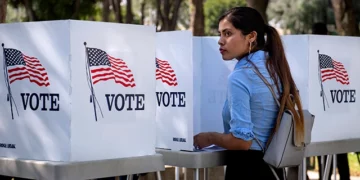
That was the support for Massachusetts Question 1 in early returns reported in the midterm election — an overwhelming vote to open most records of the governor’s office and legislature to public scrutiny. At a time when Americans seem divided over nearly everything, Massachusetts voters delivered a remarkably clear message: The public deserves to know what its government is doing.
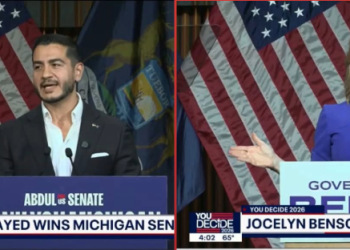
Michigan’s incoming leaders have already expressed their commitment to that principle. Gov.-elect Jocelyn Benson deserves credit for pledging to voluntarily comply with FOIA beginning Jan. 1 when she takes office. Opening the governor’s office to public records requests from her first day is a welcome commitment to accountability and sets a positive example for other elected officials.
Lt. Gov.-elect Winnie Brinks also deserves recognition for her ongoing support for expanding FOIA. As Senate majority leader, she helped make opening the governor’s office and Legislature public scrutiny a legislative priority. Her continued advocacy will be valuable in bringing these long-sought changes across the finish line.
Massachusetts’ decision leaves Michigan poised to stand alone as the only state maintaining blanket public-records exemptions for both its governor’s office and legislature. Other states’ laws vary, and exemptions still apply, but Michigan’s broad exclusions leave a significant gap in public accountability.
The people who write our laws and approve billions of dollars in public spending should meet the same basic transparency standards as the local governments and state agencies operating under those laws.
With a new administration and Legislature preparing to take office, Michigan has an opportunity to close that gap and undertake a comprehensive overhaul of its Freedom of Information Act.
Benson and Brinks can help turn their commitment into lasting reform. Voluntary disclosure is a meaningful step, and putting those protections into law would ensure that the public’s right to know endures regardless of who holds office. Collaborating with lawmakers from both parties, they can help build a lasting foundation for more open government.
Extending the law’s reach is an essential first step. Making it work better for everyone who requests records must also be part of the effort.
Michigan law generally requires an initial response within five business days, with a possible extension of 10 additional business days. But a response does not necessarily mean receiving the records. A requester can receive approval and still wait months for the information itself.
A parent seeking information about school safety, a resident questioning a development deal or a reporter examining public spending needs answers while those decisions can still be influenced. Records delivered after the vote, after the contract or after the controversy has faded cannot provide the same accountability.
Cost presents another barrier–Michigan permits public bodies to charge for several parts of processing a records request, including searching and reviewing documents and separating exempt information. Those charges can put access beyond the reach of ordinary residents.
A comprehensive overhaul should establish enforceable deadlines for producing records, with narrowly defined extensions for genuinely complex requests. It should curb excessive fees, require clear and defensible cost estimates, and provide an affordable way to challenge delays, denials and charges. It should also encourage routine online publication of frequently requested records, reducing work for public employees and costs for everyone.
These changes would help public employees fulfill their responsibilities while giving residents greater confidence that their government is accessible and accountable.
Newly elected lawmakers of both parties should join Benson and Brinks in making reform a priority. Every legislator represents constituents who deserve timely, affordable access to their government, regardless of who holds power.
Massachusetts voters have shown how overwhelming the demand for transparency can be. Michigan’s incoming leaders have an opportunity to build on that momentum and their own commitments to openness.
We look forward to working with Gov.-elect Benson, Lt. Gov.-elect Brinks and the incoming Legislature to make timely, affordable access to public records a lasting promise to the people of Michigan.
The MPA Public Policy Committee is made up of a diverse group of members from across Michigan including Co-Chairs Jim Schaefer-Detroit Free Press, Bradley Thompson-Detroit Legal News Publishing, John Hiner-MLive, Lonnie Scott-Buried Lede Media, Jeremy McBain-Hearst, Gary Miles-Detroit News, Joel Kurth-Bridge Michigan, and Eric Hamp-Houghton Lake Resorter.