















Looking Ahead to Election Day
With midterm elections fast approaching November 3, 2026, some Southwest Detroit residents feel anxious about what to expect at the polls, while others view the election with excitement and optimism about the change their votes can bring. For Dalila Valdovinos, a Latina voter and mother of two young children, education funding and the future of community programs are among the issues motivating her to vote. “Voting is our right,” Valdovinos said. “Through our vote, we can build a community and a country where we can have a fuller life, not only now for ourselves, but also for the generations to come.” Whether residents are feeling uncertainty or hope, access to reliable voting information can help them prepare. Detroit officials and community organizations are providing voter education, Spanish-language assistance, and outreach to help residents cast their ballots with confidence.
Preparing for Election Day
As Detroit voters prepare for the upcoming election, city officials are emphasizing efforts to make voting more accessible, particularly in communities where transportation, language barriers, and misinformation can complicate participation.
For Latino voters in Southwest Detroit, those efforts include Spanish-language election materials and translators at polling locations. At the same time, research on Latino political participation suggests that access at the polls is only one piece of a larger challenge: Latino voters continue to participate at lower rates than several other major demographic groups, particularly during midterm elections.
Andre Gilbert, Deputy City Clerk for the City of Detroit, said the city’s priority is making sure barriers do not prevent eligible Detroiters from casting a ballot.
“The number one thing they should know before this upcoming election is that we’ve done all we can to make sure the election is accessible for all Detroit residents,” Gilbert said. “So no voter will be turned away or left behind on election day.”
Making voting accessible in Detroit
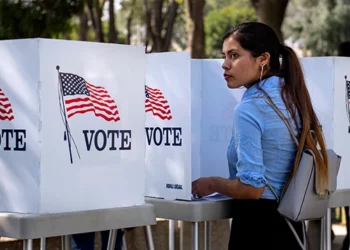
Detroit voters have several options for casting their ballots, including voting on Election Day, absentee voting, and early voting. The city has also taken steps to address transportation barriers. Gilbert said city buses will be free on Election Day so that transportation does not prevent residents from reaching the polls.
Voters are encouraged to bring identification, which can include a driver’s license, state ID, Detroit ID, military ID, or passport. However, Gilbert emphasized that voters who do not have identification should not assume that they cannot vote. They can sign an affidavit on the back of the voter application and still cast their ballot.
Residents who are unsure about their registration or polling location can contact the Detroit City Clerk’s Office or use the City of Detroit and State of Michigan voter information websites to check where they are registered to vote. The city also provides ballot tracking for absentee voters.
For Southwest Detroit’s Spanish-speaking population, the Clerk’s Office has also expanded language access. Gilbert said election materials, including voter registration applications, have been translated into Spanish, and multiple translators will be available at polling locations in Southwest Detroit. The office is also coordinating with Council Member Gabriela Santiago-Romero’s office to identify and address problems that arise in the community on Election Day.
Barriers extend beyond the polling place
Even when voting itself is made more accessible, broader challenges can influence whether Latino voters participate at all.
Roberto Carlos, a professor of political science at the University of Michigan whose research focuses on Latino politics and political participation, said Latino turnout has historically lagged behind that of other major racial and ethnic groups, with the gap becoming particularly pronounced during midterm elections.
Part of the challenge, Carlos said, is that Latino political participation cannot be explained by one issue. Immigration has often been treated as the defining political concern for Latino voters, but economic pressures such as the cost of food, housing, gas, and other everyday expenses can be more immediate priorities. Research also indicates that partisanship and ideology shape Latino voting behavior in many of the same ways they shape the rest of the electorate.
Carlos also pointed to a less visible barrier: Many Latino families are immigrants or children of immigrants who are still learning how to navigate the American political system while simultaneously establishing their lives in the country. Political participation may therefore compete with more immediate concerns such as employment, housing, and supporting a family.
Another problem, Carlos said, is that political campaigns often concentrate their resources on people who already vote regularly rather than investing the additional time and money required to reach lower-propensity voters.
“A lot of the research suggests that’s one of the biggest issues, is just they’re not being asked to vote,” Carlos said. “If you ask people to vote, they tend to vote. If you don’t ask them, then they’re not going to be engaged in that process.”
For community organizations in Southwest Detroit, that outreach can happen outside of traditional campaigns. Jane Garcia, chair of the board of Latin Americans for Social and Economic Development, said organizations like LA SED can serve as a resource for residents who need help understanding election information.
Garcia said seniors sometimes bring absentee ballots to the organization for help understanding the materials, particularly when they have not requested them in Spanish. For Garcia, helping residents understand their rights and the choices available to them is part of the responsibility of organizations working within the community.
That connection, she said, should also extend to elected officials themselves.
“You should not come around every four years when you’re getting elected,” Garcia said. “You should stay engaged always … so that they know that you’re representing their issues.”
Carlos similarly said culturally relevant voter education alone will not eliminate disparities in turnout, but repeated engagement can help people who are already participating remain involved while gradually bringing more voters into the process.
Navigating misinformation
Misinformation presents another concern as Election Day approaches.
Carlos said misinformation is not unique to Latino communities, but information shared through social media and messaging platforms such as WhatsApp can spread rapidly within social networks. Researchers are still working to understand precisely how exposure to misinformation translates into voting behavior or decisions not to vote.
In Detroit, Gilbert encouraged residents who encounter conflicting information about the election to verify it directly with election officials.
“Don’t believe everything you hear in the news, online. Always try to verify your sources,” Gilbert said. “We don’t want any barriers, or misinformation to become a barrier for any of our residents.”
Gilbert said voters can verify information by contacting the Clerk’s Office, consulting Detroit’s official election resources, or using the State of Michigan’s voter information resources.
Garcia said she has not personally encountered significant election misinformation among the residents she works with so far. Instead, LA SED’s focus has been on making sure residents understand basic voting information, including where they are registered to vote and how to properly complete absentee ballot materials.
The concern about access has particular significance in Southwest Detroit. Gilbert said the Clerk’s Office has heard concerns about threats and the possibility of immigration enforcement activity at polling locations. He said the city has a security plan, is coordinating with other agencies, and is working to ensure Latino residents have access to translators and other assistance.
Latino voters are not a single voting bloc
Understanding Latino participation also requires recognizing the diversity within the community itself.
Carlos cautioned against treating Latinos as a single voting bloc simply because many share a language or consume some of the same media. Differences in national origin, political socialization, ideology, and experiences in countries of origin can influence how Latino voters understand American politics and which issues matter most to them.
Lower turnout, he added, should not automatically be interpreted as political apathy. About two-thirds of the U.S. Latino population consists of immigrants or children of immigrants, according to Carlos, meaning many families are navigating a political system that may be relatively new to them. Political engagement can also occur outside the voting booth through community involvement, conversations with others, and other forms of civic participation.
For Gilbert, the immediate goal is making sure residents who can vote know that the opportunity is available to them.
“We need people to get out and vote,” Gilbert said. “We want to make sure everyone is involved and engaged. We want to make sure everyone is prepared and has everything they need. And participate.”
Garcia echoed that message from the perspective of a community leader in Southwest Detroit, emphasizing the importance of residents recognizing their own role in the political process.
“Your vote is your voice,” Garcia said. “And that’s so important.”
CONTACT
Detroit Department of Elections
Registration, polling places and absentee-ballot questions. For information in Spanish, click the language icon in the upper righthand corner.
Statewide election information and questions about voting procedures.
Voter education and online resources in English and Spanish for registration, polling locations and absentee ballots.
Michigan Accessible Elections Ombudsperson
Assistance for voters with disabilities who encounter barriers to voting.
Detroit City Council District 6 Office
Constituent assistance and referrals to city offices for local concerns.
Ask about help understanding election materials and community referrals. Local nonprofit, not an election office.
NALEO Educational Fund Spanish / English
Call or text for free, nonpartisan voting information in Spanish or English.
Free, nonpartisan help with voting questions and problems at the polls.
Online voter tools: Michigan Voter Information Center lets you check registration, locate your polling place, view a sample ballot and track an absentee ballot.
For local registration and ballot questions, contact Detroit’s Department of Elections. The department also lists TTY assistance at 711.
Sources: City of Detroit; Michigan Department of State; LA SED; NALEO Educational Fund; Election Protection. Organization names above link to published contact information.
Máxima Oxholm Barraza contributes to EL CENTRAL Hispanic News and serves as an Arts & Culture Editor at The Oberlin Review. An Oberlin College student majoring in Law & Society and Hispanic Studies, she writes about law, social justice, and community life in Detroit and across the Midwest.
Llegan las cruciales elecciones de mitad de mandato: prepárate
De cara al día de las elecciones
Ante la proximidad de las elecciones de mitad de mandato del 3 de noviembre de 2026, algunos residentes del suroeste de Detroit sienten inquietud sobre qué esperar en las urnas, mientras que otros ven los comicios con entusiasmo y optimismo por el cambio que sus votos pueden generar. Para Dalila Valdovinos, votante latina y madre de dos hijos pequeños, la financiación de la educación y el futuro de los programas comunitarios son algunos de los temas que la motivan a votar. “Votar es nuestro derecho”, afirmó Valdovinos. “A través de nuestro voto, podemos construir una comunidad y un país donde tengamos una vida más plena, no solo para nosotros ahora, sino también para las generaciones venideras”. Ya sea que los residentes sientan incertidumbre o esperanza, contar con información electoral fiable puede ayudarles a prepararse. Las autoridades de Detroit y las organizaciones comunitarias están ofreciendo educación para el votante, asistencia en español y labores de difusión para ayudar a los residentes a emitir su voto con confianza.
Preparativos para el día de las elecciones
Mientras los votantes de Detroit se preparan para las próximas elecciones, los funcionarios municipales están intensificando sus esfuerzos para hacer que el voto sea más accesible, especialmente en comunidades donde el transporte, las barreras idiomáticas y la desinformación pueden dificultar la participación.
Para los votantes latinos del suroeste de Detroit, estas iniciativas incluyen materiales electorales en español y la presencia de traductores en los centros de votación. Al mismo tiempo, los estudios sobre la participación política latina sugieren que el acceso a las urnas es solo una parte de un desafío mayor: los votantes latinos siguen participando en menor proporción que otros grupos demográficos importantes, sobre todo en las elecciones de mitad de mandato.
Andre Gilbert, subsecretario municipal de Detroit, afirmó que la prioridad de la ciudad es garantizar que ninguna barrera impida a los residentes elegibles ejercer su derecho al voto.
“Lo más importante que deben saber antes de estas elecciones es que hemos hecho todo lo posible para asegurar que el proceso sea accesible para todos los residentes de Detroit”, dijo Gilbert. “Así, ningún votante será rechazado ni quedará excluido el día de las elecciones”.
Cómo facilitar el acceso al voto en Detroit
Los votantes de Detroit disponen de varias opciones para emitir su voto, entre ellas acudir a las urnas el día de las elecciones, votar por correo (ausente) o votar por adelantado. La ciudad también ha tomado medidas para superar los obstáculos relacionados con el transporte. Gilbert anunció que el servicio de autobuses municipales será gratuito el día de las elecciones para evitar que la falta de transporte impida a los residentes llegar a los centros de votación.
Se recomienda a los votantes llevar una identificación, como licencia de conducir, identificación estatal, identificación de Detroit, identificación militar o pasaporte. No obstante, Gilbert subrayó que aquellos votantes que no dispongan de identificación no deben asumir que no pueden votar; pueden firmar una declaración jurada al dorso de la solicitud de votante y emitir su voto de todos modos. Los residentes que tengan dudas sobre su registro o su centro de votación pueden comunicarse con la Oficina del Secretario Municipal de Detroit o consultar los sitios web de información para votantes de la ciudad de Detroit y del estado de Michigan para verificar dónde están registrados. La ciudad también ofrece un servicio de seguimiento de boletas para quienes votan por correo.
Para la población hispanohablante del suroeste de Detroit, la Oficina del Secretario también ha ampliado las opciones de acceso lingüístico. Gilbert señaló que los materiales electorales, incluidas las solicitudes de registro de votantes, se han traducido al español y que habrá varios traductores disponibles en los centros de votación de esa zona. Asimismo, la oficina está coordinando acciones con el despacho de la concejal Gabriela Santiago-Romero para identificar y resolver los problemas que puedan surgir en la comunidad el día de las elecciones.
Las barreras van más allá del centro de votación
Aunque se facilite el acto de votar, existen desafíos más amplios que pueden influir en si los votantes latinos deciden participar o no.
Roberto Carlos, profesor de ciencias políticas en la Universidad de Michigan, cuya investigación se centra en la política latina y la participación política, afirmó que la participación electoral de los latinos ha sido históricamente inferior a la de otros grupos raciales y étnicos importantes, una brecha que se acentúa especialmente durante las elecciones de mitad de mandato.
Parte del desafío, según Carlos, radica en que la participación política latina no puede explicarse mediante un único tema. A menudo se ha considerado la inmigración como la principal preocupación política de los votantes latinos; sin embargo, las presiones económicas, como el costo de los alimentos, la vivienda, el combustible y otros gastos cotidianos, pueden representar prioridades más inmediatas. Las investigaciones también indican que la afiliación partidista y la ideología moldean el comportamiento electoral de los latinos de manera muy similar a como lo hacen con el resto del electorado.
Carlos también señaló una barrera menos visible: muchas familias latinas son inmigrantes o hijas de inmigrantes que aún están aprendiendo a desenvolverse en el sistema político estadounidense mientras, simultáneamente, establecen sus vidas en el país. Por ello, la participación política puede entrar en conflicto con preocupaciones más apremiantes, como el empleo, la vivienda y el sustento de la familia.
Otro problema, indicó Carlos, es que las campañas políticas suelen concentrar sus recursos en personas que ya votan con regularidad, en lugar de invertir el tiempo y el dinero adicionales necesarios para llegar a los votantes con menor probabilidad de participar.
“Gran parte de las investigaciones sugieren que uno de los mayores problemas es, sencillamente, que no se les invita a votar”, afirmó Carlos. “Si les pides a las personas que voten, tienden a votar. Si no se lo pides, no se involucrarán en ese proceso”.
Cómo lidiar con la desinformación
La desinformación plantea otra preocupación a medida que se acerca el día de las elecciones.
Carlos señaló que la desinformación no es exclusiva de las comunidades latinas, pero que la información compartida a través de redes sociales y plataformas de mensajería como WhatsApp puede propagarse rápidamente dentro de los círculos sociales. Los investigadores aún trabajan para comprender con exactitud cómo la exposición a la desinformación se traduce en el comportamiento electoral o en la decisión de no votar.
En Detroit, Gilbert instó a los residentes que encuentren información contradictoria sobre las elecciones a verificarla directamente con los funcionarios electorales.
“No crean todo lo que escuchan en las noticias o en internet. Intenten siempre verificar sus fuentes”, dijo Gilbert. “No queremos que existan barreras, ni que la desinformación se convierta en un obstáculo para ninguno de nuestros residentes”.
Gilbert indicó que los votantes pueden verificar la información poniéndose en contacto con la Oficina del Secretario Municipal (Clerk’s Office), consultando los recursos electorales oficiales de Detroit o utilizando los recursos de información para votantes del estado de Michigan.
Garcia comentó que, hasta el momento, no se ha encontrado personalmente con casos significativos de desinformación electoral entre los residentes con los que trabaja. En cambio, LA SED se ha centrado en asegurar que los residentes comprendan la información básica sobre la votación, incluyendo dónde están registrados para votar y cómo completar correctamente los materiales para el voto en ausencia.
La preocupación por el acceso cobra especial relevancia en el suroeste de Detroit. Gilbert mencionó que la Oficina del Secretario Municipal ha recibido inquietudes sobre amenazas y la posibilidad de operaciones de control migratorio en los centros de votación. Señaló que la ciudad cuenta con un plan de seguridad, coordina acciones con otras agencias y trabaja para garantizar que los residentes latinos tengan acceso a intérpretes y otro tipo de asistencia.
Los votantes latinos no constituyen un bloque único
Comprender la participación latina también requiere reconocer la diversidad existente dentro de la propia comunidad.
Carlos advirtió que no se debe tratar a los latinos como un bloque electoral único simplemente porque muchos comparten el idioma o consumen los mismos medios de comunicación. Las diferencias en cuanto a origen nacional, socialización política, ideología y experiencias en los países de origen pueden influir en cómo los votantes latinos perciben la política estadounidense y en qué temas consideran prioritarios.
Una menor participación electoral, añadió, no debe interpretarse automáticamente como apatía política. Alrededor de dos tercios de la población latina de EE. UU. está compuesta por inmigrantes o hijos de inmigrantes, según Carlos; esto significa que muchas familias se desenvuelven en un sistema político que puede resultarles relativamente nuevo. La participación política también puede darse fuera de las urnas mediante la implicación comunitaria, las conversaciones con otras personas y otras formas de participación cívica.
Para Gilbert, el objetivo inmediato es asegurarse de que los residentes con derecho a voto sepan que disponen de esa oportunidad.
“Necesitamos que la gente salga a votar”, afirmó Gilbert. “Queremos asegurarnos de que todos se involucren y participen. Queremos garantizar que todos estén preparados y cuenten con lo necesario para hacerlo”.
García respaldó este mensaje desde su perspectiva como líder comunitario del suroeste de Detroit, subrayando la importancia de que los residentes reconozcan el papel que desempeñan en el proceso político.
“Tu voto es tu voz”, dijo García. “Y eso es fundamental”.
CONTACT
Departamento de Elecciones de Detroit
Registro, centros de votación y preguntas sobre el voto en ausencia. Para obtener información en español, haga clic en el icono de idioma en la esquina superior derecha.
Oficina de Elecciones de Michigan
Información electoral a nivel estatal y preguntas sobre procedimientos de votación.
Educación electoral y recursos en línea en inglés y español sobre registro electoral, centros de votación y voto en ausencia.
Defensoría de Elecciones Accesibles de Michigan
Asistencia para votantes con discapacidades que enfrentan barreras para votar.
Oficina del Distrito 6 del Concejo Municipal de Detroit
Asistencia a los residentes y derivación a oficinas municipales para asuntos locales.
Pregunte sobre ayuda para entender materiales electorales y referencias comunitarias. Organización local sin fines de lucro; no es una oficina electoral.
NALEO Educational Fund Spanish / English
Llame o envíe un mensaje de texto para obtener información electoral gratuita y apartidista en español o inglés.
Ayuda gratuita y apartidista con preguntas sobre votación y problemas en los centros de votación.
El Centro de Información para Votantes de Michigan (Michigan Voter Information Center) le permite verificar su registro, localizar su centro de votación, ver una boleta de muestra y rastrear una boleta de voto en ausencia.
Para preguntas sobre registro local y boletas, comuníquese con el Departamento de Elecciones de Detroit. El departamento también ofrece asistencia TTY a través del número 711.