











Five years ago, Alejandro Emilio Visbal Mendoza arrived in the United States with his wife and little daughter in search of the American dream. But America shackled him, put him on a plane with more than 140 other Venezuelans, and sent him back to his native country. Without notice, that country, the homeland that had welcomed them with open arms outside the plane and boasted about them on social media, would shake under their feet as if it were a biblical apocalypse. The Bolivarian National Intelligence Service (SEBIN) sent them all to the Hotel Santuario La Llanada in the state of La Guaira, and, above them all, the building collapsed. From there, only dust and bodies remained.
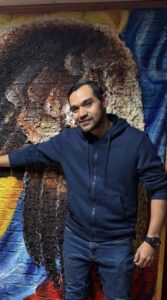
Visbal Mendoza’s family entered the U.S. as an asylum seeker in 2021. Escaping political persecution by the Maduro government for belonging to opposition political parties, they fled their country in 2017. First they lived in Peru for just over three years.
Visbal Mendoza was arrested on April 27, 2026 during an ICE citation. His wife says he was sent to Calhoun County Correctional Center in Battle Creek, MI, that same day. He spent a month and half there, and then was transferred to Louisiana. “I’m already in Texas,” were the last words Visbal Mendoza told his wife, Juneitcy Areimano Colmenares, on June 19 before being taken to Miami. “I’m waiting for them to take me to the flight; they’re going to deport me.”
In Michigan, Visbal Mendoza worked delivering cakes and as a laborer in a warehouse. Since his arrest, his wife has lived in fear that she too could be arrested and their daughter left alone; the little girl accompanies her everywhere, to her house-cleaning jobs and when she makes deliveries.
On June 24, Visbal Mendoza called his mother and told her he had arrived in La Guaira, almost half an hour from his hometown of Caracas. Areimano Colmenares was hoping to hear from him again once he was with his parents, “But then the earthquakes happened, and we haven’t heard from him since,” she said.
Flight 164 arrived during the morning and brought 146 Venezuelans, 120 men, 19 women, and seven children, from Miami to Simón Bolívar International Airport, according to ICE Flight Monitor, a Human Rights First initiative that tracks deportation flights from the U.S. “Everyone is ready to begin a new chapter in their beloved homeland,” the Return to Homeland account wrote with the video.
Today we received Flight 164 of the Great Mission Return to the Homeland with 146 Venezuelans, from the USA,” wrote in social media Melvin Maldonado, who is in charge of managing the repatriation mission. A social program that resulted from a political agreement earlier this year between President Trump and the Venezuelan government to receive planes full of deported Venezuelans. Accusing them of being criminals, the U.S government rendered some 650,000 Venezuelans undocumented, stripping them of any legal protection and placing them in detention centers around the country.
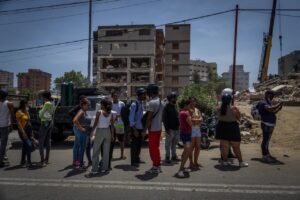
At the Santuario La Llanada Hotel, where deportees arrive before returning with their families, the 146 were to receive medical checkups, vaccinations, and assistance with obtaining identity cards. According to Visbal Mendoza’s family, they were expected to arrive home the next day.
Since then, that video of the deportees arriving back home has been met with a flood of comments from their families looking for them however they could. Missing person alerts with their faces started to pop up in social media seeking for more information where they are.
La Guaira was the city hardest hit by the “doublet” earthquake that shook the north-central part of the country. According to the Venezuelan government, 158 buildings (8 out of 10) collapsed in that area. From the concrete and beams of the four floor hotel, at least a dozen deportees managed to escape, according to unofficial reports. Along with some officers who had also managed to get out, they tried to help others escape.
Families of the deportees told various media outlets that the Venezuelan government has provided them with very little or inaccurate information and has restricted access to the facilities, in addition to limiting the entry of specialized rescue equipment and machinery. They remain outside the collapsed building seeking for some information of their loved ones, while the place is cordoned off by intelligence forces.
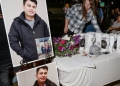
Visbal Mendoza’s family in Venezuela found his body on July 1st, along with other bodies from Flight 164, more than a week after they lost communication with him. The body showed no signs of injury, and according to the family, he had only been dead for a few hours. His parents searched for the body in morgues and hospitals; they were shown a photo of the bracelet with his number, but when they saw it, it wasn’t him. They were shown another body, but it wasn’t him either. Relatives of the deportees, in a WhatsApp group called Flight 163/164, allege that they died in the rubble because they weren’t helped to escape in time.
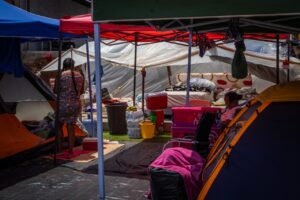
“The Military Intelligence Service has taken over the place,” said a cousin of Visbal Mendoza and a former government official, who asked to remain anonymous for fear of reprisals from the Venezuelan government. “They’re not letting anyone in at all. As of today, there are people inside the hotel, and they’re not letting anyone go in to remove rubble or do anything at all; they’re keeping the family members away
An ICE spokesperson told CNN they were no longer responsible for the deportees when the earthquakes occurred. “This flight arrived safely in Venezuela, and all the migrants on board were returned to their country. Once a person is no longer in ICE custody, the agency is no longer responsible for them,” the spokesperson said.
More than a week has passed since the earthquakes and the death toll has officially risen to over 2,500 and more than 11,000 injured; the UN will send 10,000 body bags at the request of the Venezuelan government. Venezuelan officials have not officially released the number of deportees in the building, nor the number of dead, wounded, or missing.
The interim Delcy Rodriguez government has been hit in the face with a catastrophe and is being put to the test. Allegations of inefficiency, lack of machinery, and disorganization during rescue operations have already surfaced, as well as harassment of international rescue groups, as in the case of Chilean rescuers.
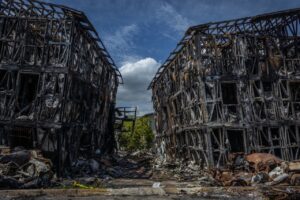
During a press conference on July second, Rodriguez defended government actions in the face of the catastrophe by arguing the deployment of thousands of public workers and airlifts of aid, against questions from international media regarding the lack of resources for rescue efforts, disorganization, and the slow deployment of aid. “The first decision that day was to militarize La Guaira, because we could not allow media laboratories and media narratives created to disrupt and generate chaos and hinder rescue efforts. That is miserable,” the President told a journalist from El País.
But Rodriguez’ words don’t fit with those among the rubble. For the deportees’ and Visbal Mendoza’s families, those days have been filled with unrest and anguish. They went from morgue to morgue, from hospital to hospital, searching for names on lists, looking through catalogs of corpses in search of the identification bracelets that were put on the deportees when they landed in Venezuela. Some have found their sons, siblings, and husbands and buried them as best they could, while they wonder why people weren’t rescued in time.
Others remain uncertain about where their family members are while the time to find them alive is running out. “This is a total mess by the government, a lot of information, a lot of leaked things that they don’t want to come to light and we really need help right now,” Visbal Mendoza’s cousin added. The family claims that people aren’t being allowed to search for bodies in depth, such as in the basement where there may still be survivors, but as the days go by, hopes are fading and distrust of the fractured Venezuelan government is growing.
In Michigan, Visbal Mendoza’s wife and daughter hoped for a miracle. So far from their homeland, where they no longer feel the political persecution of the Venezuelan government, the blackouts, or those two earthquakes but close enough feel afraid about deportations, Visbal Mendoza’s wife and daughter hoped to meet him in another country once he was freed, perhaps Colombia; they just needed to get passports, “to be all together,” Areimano Colmenares said. But now, plans are uncertain.
Hace cinco años, Alejandro Emilio Visbal Mendoza llegó a Estados Unidos junto a su esposa y su pequeña hija en busca del sueño americano. Pero América lo esposó de pies y manos, lo subió a un avión junto a más de 140 venezolanos y lo mandó de regreso a su país natal. Sin previo aviso, ese país, la patria que los recibía con los brazos abiertos al bajar del avión y que presumía su llegada en redes sociales, se sacudiría bajo sus pies como si se tratara de un apocalipsis bíblico. El Servicio Bolivariano de Inteligencia Nacional (SEBIN) los trasladó a todos al Hotel Santuario La Llanada, en el estado de La Guaira, y, sobre todos ellos, el edificio se vino abajo. De allí solo quedaron polvo y cuerpos.
La familia de Visbal Mendoza ingresó a Estados Unidos como solicitante de asilo en 2021. Huyendo de la persecución política del gobierno de Maduro por pertenecer a partidos políticos de oposición, abandonaron Venezuela en 2017. Primero vivieron en Perú durante poco más de tres años.
Visbal Mendoza fue arrestado el 27 de abril de 2026 durante una citación de ICE. Su esposa afirma que ese mismo día fue trasladado al Centro Correccional del Condado de Calhoun, en Battle Creek, Michigan. Permaneció allí un mes y medio antes de ser transferido a Luisiana.
“Ya estoy en Texas”, fueron las últimas palabras que Visbal Mendoza le dijo a su esposa, Juneitcy Areimano Colmenares, el 19 de junio, antes de ser llevado a Miami. “Estoy esperando que me lleven al vuelo; me van a deportar”.
En Michigan, Visbal Mendoza trabajaba repartiendo pasteles y como obrero en un almacén. Desde su arresto, su esposa ha vivido con el temor constante de que ella también pudiera ser detenida y su hija quedara sola; la niña la acompaña a todas partes, tanto a sus trabajos de limpieza de casas como cuando realiza entregas.
El 24 de junio, Visbal Mendoza llamó a su madre y le dijo que había llegado a La Guaira, a aproximadamente media hora de su ciudad natal, Caracas. Areimano Colmenares esperaba volver a saber de él una vez que estuviera con sus padres.
“Pero entonces ocurrieron los terremotos y desde entonces no hemos vuelto a saber de él”, dijo.
El vuelo 164 llegó durante la mañana con 146 venezolanos, 120 hombres, 19 mujeres y siete niños, procedentes de Miami al Aeropuerto Internacional Simón Bolívar, según ICE Flight Monitor, una iniciativa de Human Rights First que monitorea los vuelos de deportación desde Estados Unidos.
“Todos están listos para comenzar un nuevo capítulo en su amada patria”, escribió la cuenta Vuelta a la Patria al publicar el video de la llegada. “Hoy recibimos el vuelo 164 de la Gran Misión Vuelta a la Patria con 146 venezolanos provenientes de Estados Unidos”, escribió en redes sociales Melvin Maldonado, encargado de coordinar la misión de repatriación. Se trata de un programa social surgido de un acuerdo político alcanzado a principios de este año entre el presidente Trump y el gobierno venezolano para recibir vuelos cargados de venezolanos deportados. Tras acusarlos de ser criminales, el gobierno de Estados Unidos dejó a unos 650.000 venezolanos en condición migratoria irregular, despojándolos de toda protección legal y enviando a muchos de ellos a centros de detención en todo el país.
En el Hotel Santuario La Llanada, donde los deportados permanecen antes de reunirse con sus familias, los 146 pasajeros debían recibir exámenes médicos, vacunas y asistencia para tramitar sus documentos de identidad. Según la familia de Visbal Mendoza, estaba previsto que regresaran a sus hogares al día siguiente.
Desde entonces, el video de la llegada de los deportados a Venezuela se llenó de comentarios de familiares que intentaban localizarlos por cualquier medio. Avisos de personas desaparecidas con sus fotografías comenzaron a inundar en redes sociales en busca de información sobre su paradero.
La Guaira fue la ciudad más golpeada por el doblete de terremotos que sacudió la zona centro-norte del país. Según el gobierno venezolano, 158 edificios —ocho de cada diez en el área afectada— colapsaron. Entre el concreto y las vigas del hotel de cuatro pisos, al menos una docena de deportados logró escapar, de acuerdo con reportes no oficiales. Junto con algunos funcionarios que también consiguieron salir, intentaron ayudar a otras personas a escapar.
Familiares de los deportados dijeron a diversos medios de comunicación que el gobierno venezolano les ha proporcionado muy poca información, o información inexacta, y que además ha restringido el acceso al lugar, así como el ingreso de equipos y maquinaria especializados para las labores de rescate. Permanecen a las afueras del edificio colapsado tratando de obtener noticias de sus seres queridos, mientras el sitio continúa acordonado por fuerzas de inteligencia.
La familia de Visbal Mendoza en Venezuela encontró su cuerpo el 1 de julio, junto con otros cuerpos del vuelo 164, más de una semana después de perder contacto con él. El cuerpo no presentaba señales de lesiones y, según la familia, llevaba muerto apenas unas horas. Sus padres lo buscaron en morgues y hospitales. Primero les mostraron una fotografía de la pulsera con su número, pero cuando vieron el cuerpo, no era él. Después les mostraron otro cadáver, pero tampoco era él.
Familiares de los deportados, reunidos en un grupo de WhatsApp llamado Vuelo 163/164, sostienen que murieron entre los escombros porque no recibieron ayuda para escapar a tiempo.
“El Servicio de Inteligencia Militar tomó el control del lugar”, dijo un primo de Visbal Mendoza y exfuncionario del gobierno, quien pidió permanecer en el anonimato por temor a represalias del gobierno venezolano. “No están dejando entrar absolutamente a nadie. Hasta hoy todavía hay personas dentro del hotel y no permiten que nadie ingrese a remover escombros ni a hacer nada; mantienen alejados a los familiares”
Una portavoz de ICE dijo a CNN que la agencia ya no era responsable de los deportados cuando ocurrieron los terremotos. “Este vuelo llegó de manera segura a Venezuela y todos los migrantes a bordo fueron devueltos a su país. Una vez que una persona deja de estar bajo custodia de ICE, la agencia ya no es responsable de ella”, señaló la portavoz.
Ha pasado más de una semana desde los terremotos y el número oficial de fallecidos supera ya las 2.500 personas, mientras que los heridos sobrepasan los 11.000. A petición del gobierno venezolano, las Naciones Unidas enviarán 10.000 bolsas para cadáveres. Las autoridades venezolanas aún no han informado oficialmente cuántos deportados se encontraban en el edificio ni cuántos de ellos murieron, resultaron heridos o permanecen desaparecidos.
El gobierno interino encabezado por Delcy Rodríguez se ha estrellado de cara frente a la catástrofe. Ya han surgido denuncias por la supuesta ineficiencia, la falta de maquinaria y la desorganización en las labores de rescate, así como por el presunto hostigamiento a equipos internacionales de búsqueda y rescate, como ocurrió con rescatistas chilenos.
Durante una conferencia de prensa el 2 de julio, Rodríguez defendió la actuación del gobierno frente a la tragedia, argumentando que se desplegaron miles de trabajadores públicos y puentes aéreos con ayuda humanitaria. Lo hizo en respuesta a preguntas de medios internacionales sobre la falta de recursos para las tareas de rescate, la desorganización y la lenta llegada de la asistencia.
“La primera decisión ese día fue militarizar La Guaira, porque no podíamos permitir laboratorios mediáticos ni narrativas mediáticas creadas para perturbar, generar caos y obstaculizar las labores de rescate. Eso es miserable”, dijo la presidenta a un periodista de *El País.
Pero las palabras de Rodríguez contrastan con los testimonios de quienes permanecen entre los escombros. Para las familias de los deportados y de Visbal Mendoza, esos días han estado marcados por la incertidumbre y la angustia. Han recorrido morgues y hospitales, revisando listas de nombres y catálogos de cadáveres en busca de las pulseras de identificación que les colocaron a los deportados al llegar a Venezuela. Algunos han encontrado a sus hijos, hermanos y esposos y les han dado sepultura como han podido, mientras se preguntan por qué no fueron rescatados a tiempo.
Otras familias siguen sin saber dónde están sus seres queridos, mientras el tiempo para encontrarlos con vida se agota.
“Esto es un desastre total por parte del gobierno. Hay muchísima información, muchas cosas filtradas que no quieren que salgan a la luz y realmente necesitamos ayuda en este momento”, añadió el primo de Visbal Mendoza.
La familia sostiene que no se está permitiendo realizar búsquedas exhaustivas de cuerpos, por ejemplo en el sótano, donde aún podría haber sobrevivientes. Sin embargo, con el paso de los días, las esperanzas se desvanecen y aumenta la desconfianza hacia un gobierno venezolano profundamente fracturado.
En Michigan, la esposa y la hija de Visbal Mendoza esperaban un milagro. Aunque estaban lejos de su país ,donde ya no sufrían la persecución política del gobierno venezolano, los apagones ni los efectos de aquellos dos terremotos, seguían viviendo con el temor a las deportaciones. Su esposa y su hija soñaban con reencontrarse con él en otro país una vez que recuperara la libertad, quizá en Colombia. Solo necesitaban obtener sus pasaportes “para estar todos juntos”, dijo Areimano Colmenares. Ahora, esos planes han quedado en la incertidumbre.