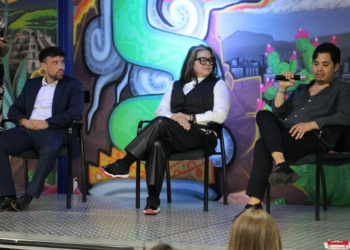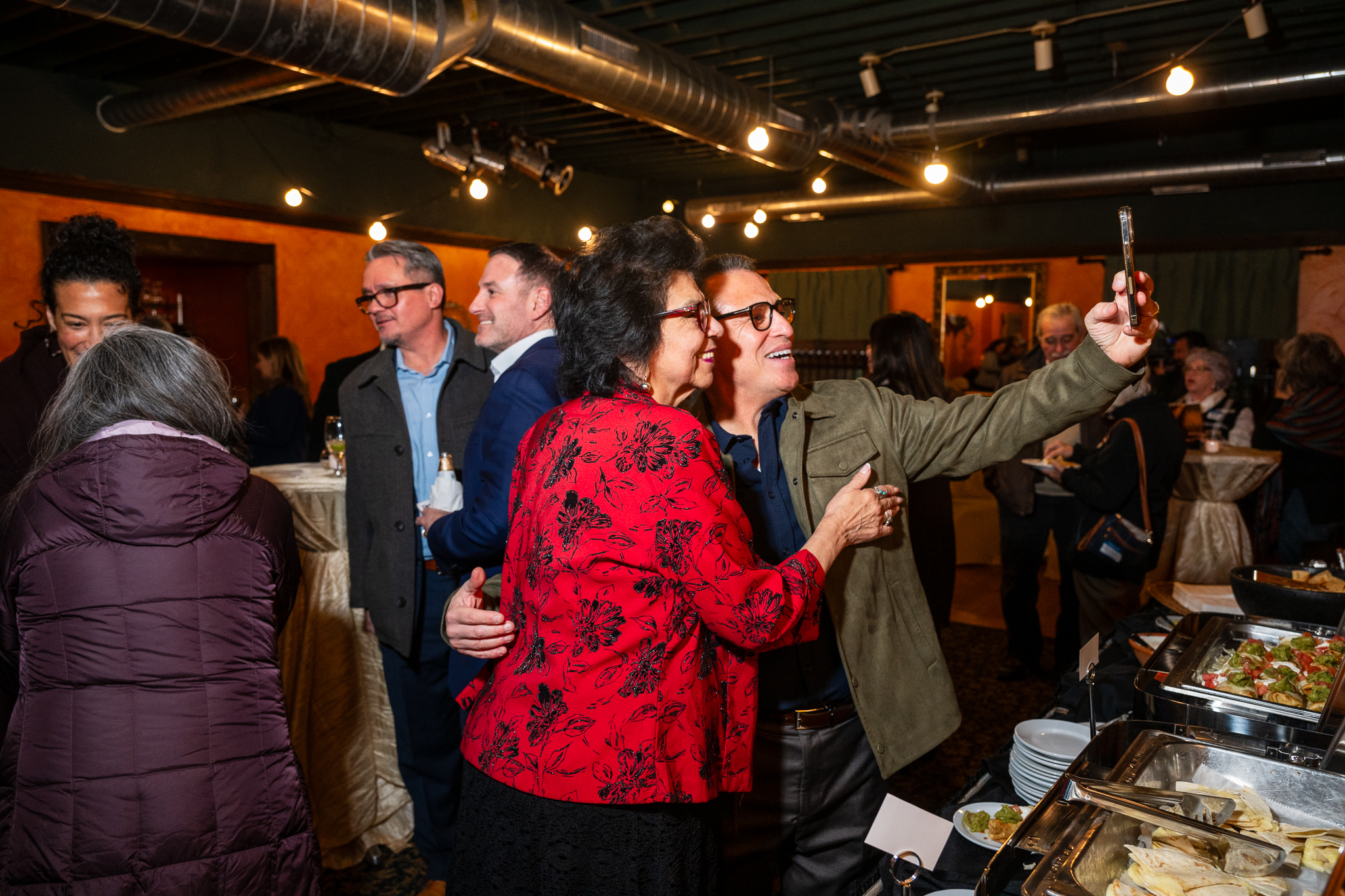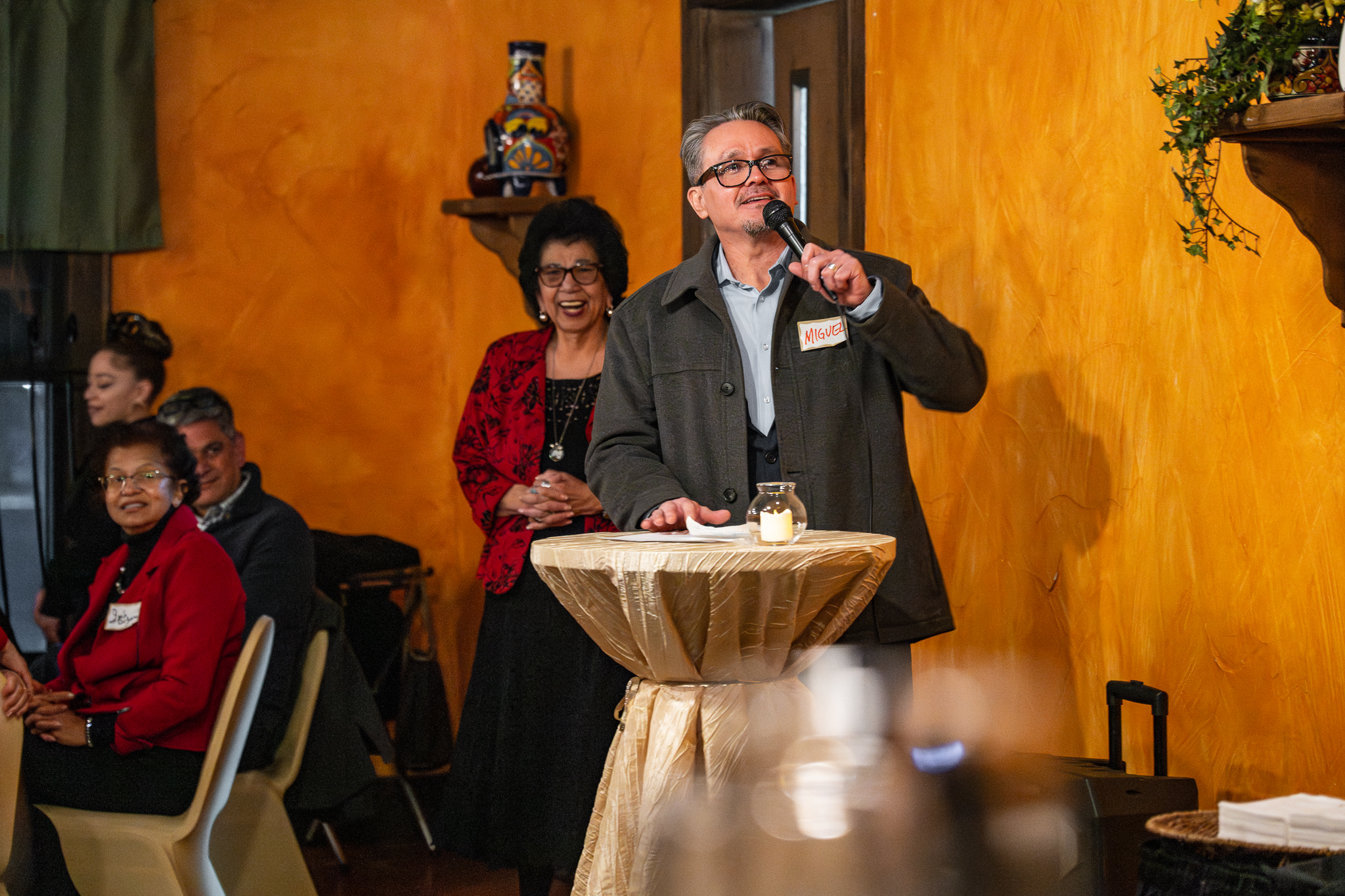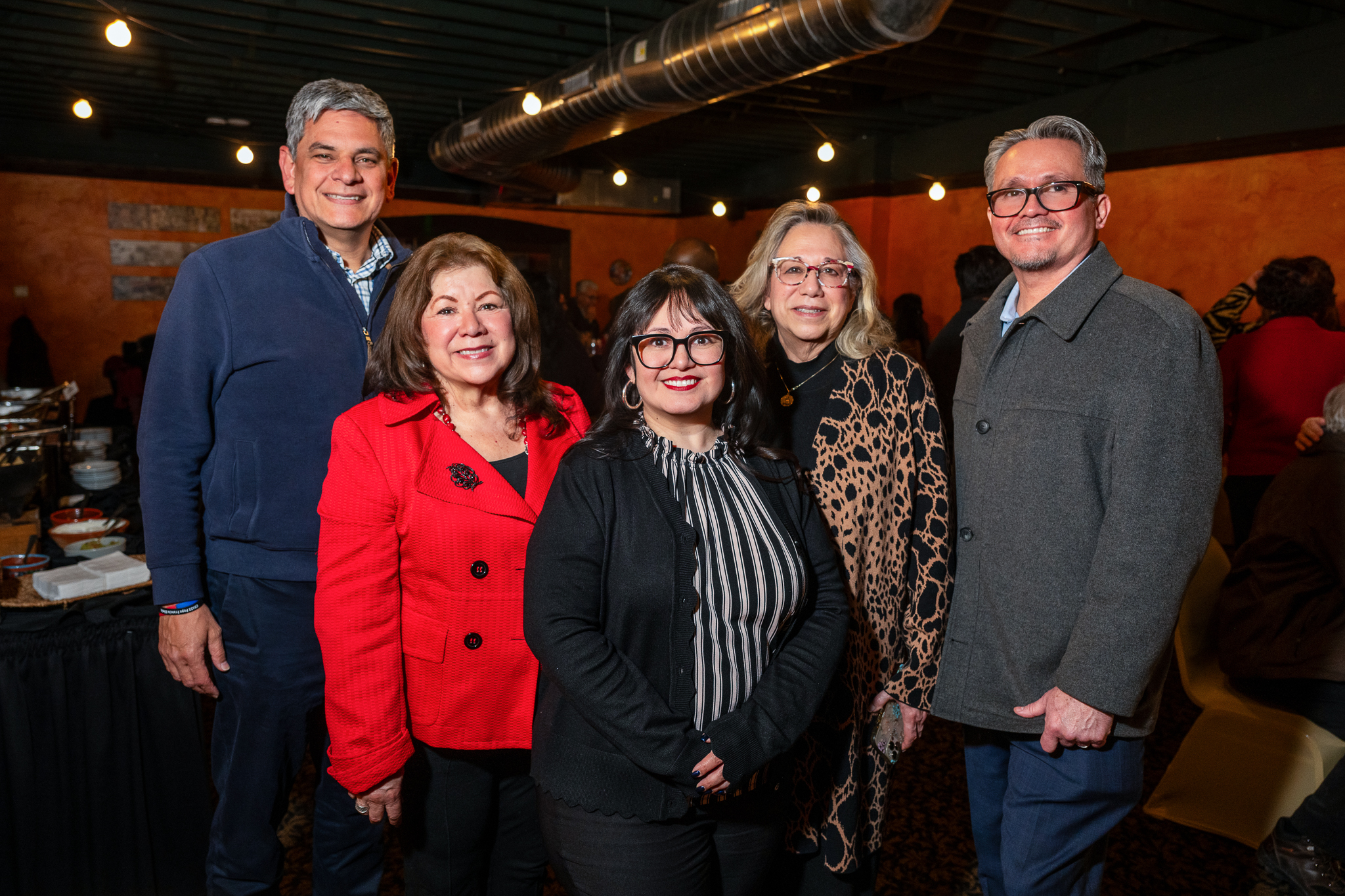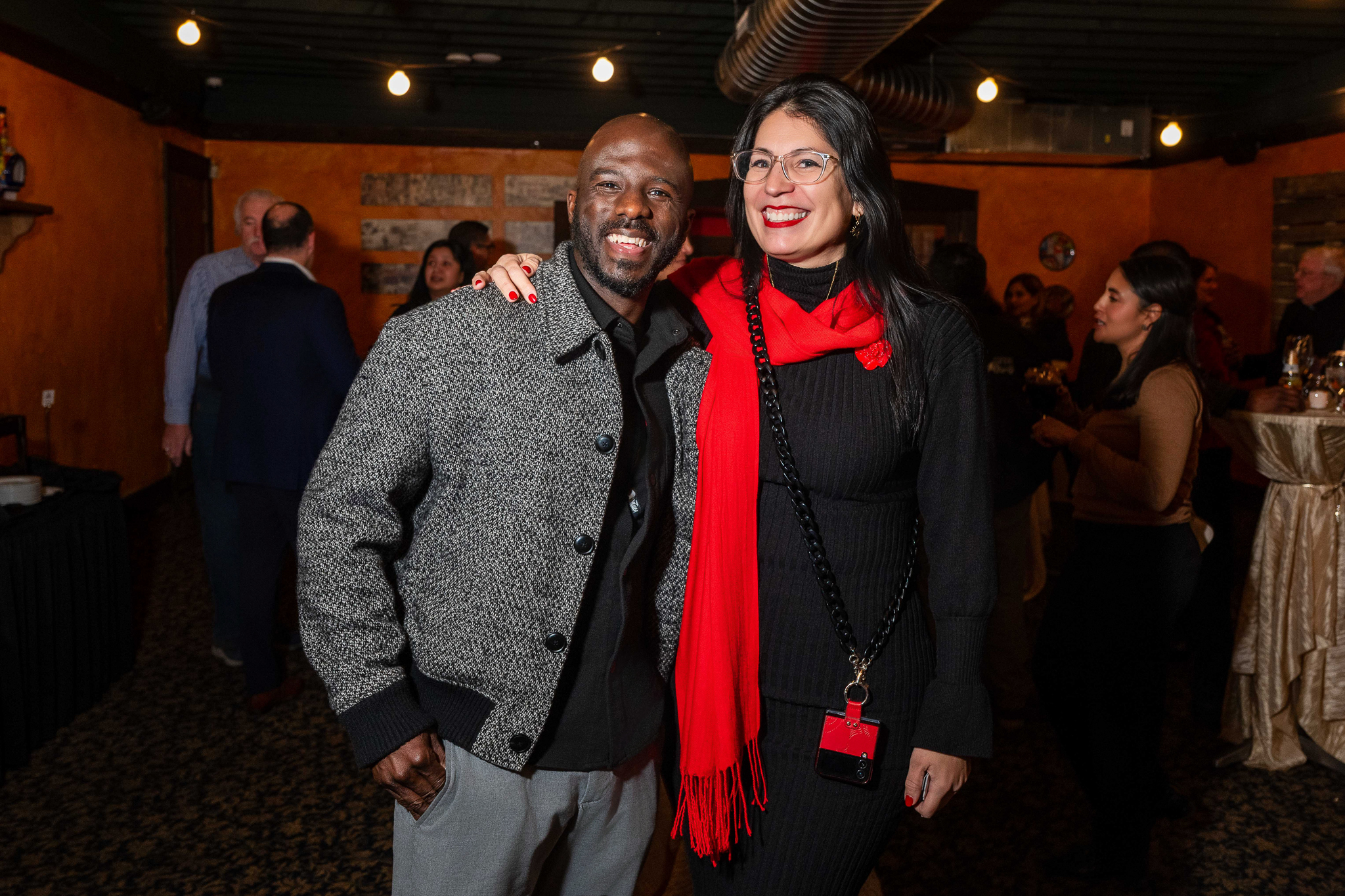




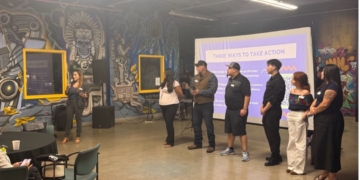




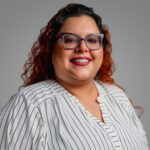
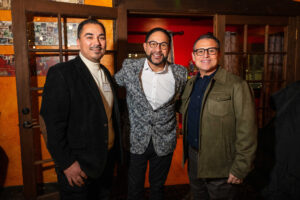
On Tuesday, January 20, at Armando’s Mexican Restaurant on W. Vernor, local Latino community leaders gathered to welcome Miguel Rodriguez as the new Executive Director of Detroit Hispanic Development Corporation (DHDC). The reception was well attended by representatives of local non-profits, businesses and community leaders. Ideal Group sponsored the event.
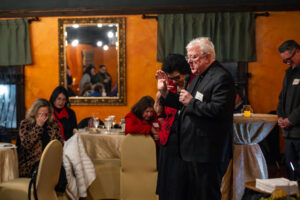
“He was selected because (the DHDC) board felt he was the best qualified,” said Jane Garcia, chairperson of LA SED’s board and one of the event organizers.
The reception was also held to push back against some public criticism and to openly demonstrate unity among Hispanic nonprofit organizations in a time when DHDC and, in fact, the broader Hispanic community is facing uncertainty in a variety of areas.
Rodriguez stepped into his new role at DHDC last fall amid financial challenges and public scrutiny. Some critics viewed his appointment as an outsider dismantling a community cornerstone. Another point of contention for some is that Rodriguez is not a Detroit native.
Rodriguez acknowledges the challenges but emphasized community buy-in as central to DHDC’s future.
“I look forward to learning more about Southwest Detroit and learning more about what makes it beautiful, learning more about the history and individuals,” Rodriguez said.
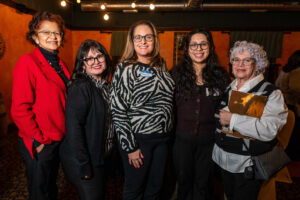
Supporters at the reception emphasized his track record of community-rooted leadership. Rodriguez brings over two decades of experience in grassroots organizing and youth development, as well as solidarity work with Indigenous communities in Mexico.
“I see a bright future for DHDC, one defined by a deep sense of ownership among the people we serve… they inform our organizational strategy as well as the design and continuous improvement of our programs and services,” he added.
More About the Consortium of Hispanic Agencies (CHA)
CHA is a partnership of Detroit Latino-led service organizations formed in the late 1980s as a response to chronic funding barriers and political exclusion. On their own, its individual member agencies struggled to gain support, but together they built leverage.
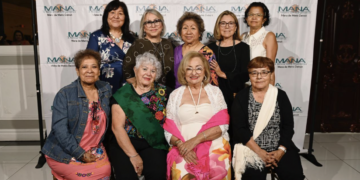
The five current CHA member nonprofits include CHASS Center, Latin Americans for Social and Economic Development (LA SED), SER Metro-Detroit, DHDC and MANA de Metro Detroit. The consortium was never designed to operate as a standalone nonprofit. It was designed to be an alliance among leaders to support one another and advocate collectively for the Hispanic community of Detroit.
“Whenever there was an issue, we would be a single voice and we would support our community,” said Eva Garza Dewaelsche, President and CEO of SER Metro.
Each organization had its clear lane of expertise. SER focused on workforce development, LA SED was civil rights advocacy and social services, DHDC was youth development, CHASS was health services, and MANA was mentorship and scholarships for young Latinas. With this approach, the member organizations have been able to strengthen their missions while amplifying their collective bargaining power.
Throughout the years, the Consortium’s activity saw moments of ebb and flow. In times when the community faced a crisis, the Consortium worked together. At the time of its conception, DHDC had not yet been established. Criteria for membership organizations had to be Hispanic-run nonprofits. Even now, MANA has only become a member after developing mentoring programs.
CHA has no staff, no website, and no physical office space. Each member organization is represented by two people – its executive director and the chair of its board.
Despite this, CHA’s influence remains a tangible force. Political candidates still seek its support. Foundations recognize its collective credibility. And when one organization is under pressure, whether it be financially, politically, or publicly, the others respond.
Over the years, CHA has issued letters supporting funding applications, non-profit sustainability efforts, immigration advocacy, and judicial appointments. When Judge Patricia Perez Fresard was up for a federal judgeship, the Consortium urged Michigan senators to support her nomination.
“We hadn’t had a Hispanic judge in over 30 years,” Garcia said.
Attendees at the reception event were encouraged not only to support DHDC, but to remain engaged through volunteer work and collaboration.
“We all need to help because we are a village and we all need each other,” said Garcia. “Even the ones that you don’t agree with.
El martes 20 de enero, en Armando’s Mexican Restaurant sobre W. Vernor, líderes locales de la comunidad latina se reunieron para dar la bienvenida a Miguel Rodriguez como nuevo director ejecutivo de Detroit Hispanic Development Corporation (DHDC). La recepción contó con una nutrida asistencia de representantes de organizaciones sin fines de lucro, negocios locales y líderes comunitarios. Ideal Group fue el patrocinador del evento.
“Fue seleccionado porque la junta de DHDC consideró que era la persona mejor calificada”, dijo Jane Garcia, presidenta de la junta de LA SED y una de las organizadoras del evento.
La recepción también se realizó como respuesta a algunas críticas públicas y como una muestra abierta de unidad entre las organizaciones latinas sin fines de lucro, en un momento en que DHDC —y en realidad toda la comunidad latina— enfrenta incertidumbre en varios frentes.
Rodriguez asumió su nuevo cargo en DHDC el otoño pasado, en medio de retos financieros y un fuerte escrutinio público. Algunos críticos vieron su nombramiento como el de un externo que llegaba a desmantelar una institución clave de la comunidad. Otro punto de inconformidad para algunos es que Rodriguez no es originario de Detroit.
Rodriguez reconoce los desafíos, pero subrayó que el respaldo de la comunidad es fundamental para el futuro de DHDC.
“Espero aprender más sobre Southwest Detroit y sobre lo que la hace tan especial, conocer más de su historia y de su gente”, dijo Rodriguez.
Quienes asistieron a la recepción destacaron su trayectoria de liderazgo con raíces comunitarias. Rodriguez aporta más de dos décadas de experiencia en organización comunitaria y desarrollo juvenil, así como trabajo de solidaridad con comunidades indígenas en México.
“Veo un futuro brillante para DHDC, uno definido por un profundo sentido de pertenencia entre las personas a quienes servimos… ellas informan nuestra estrategia organizacional, así como el diseño y la mejora continua de nuestros programas y servicios”, añadió.
Más sobre el Consortium of Hispanic Agencies (CHA)
CHA es una alianza de organizaciones de servicios lideradas por latinos en Detroit, formada a finales de la década de 1980 como respuesta a barreras crónicas de financiamiento y a la exclusión política. De manera individual, sus agencias miembros tenían dificultades para obtener apoyo, pero juntas lograron construir fuerza colectiva.
Las cinco organizaciones sin fines de lucro que actualmente integran CHA son CHASS Center, Latin Americans for Social and Economic Development (LA SED), SER Metro-Detroit, DHDC y MANA de Metro Detroit. El consorcio nunca fue concebido para operar como una organización independiente. Fue diseñado como una alianza entre líderes para apoyarse mutuamente y abogar de manera colectiva por la comunidad latina de Detroit.
“Siempre que había un problema, hablábamos con una sola voz y apoyábamos a nuestra comunidad”, dijo Eva Garza Dewaelsche, presidenta y directora ejecutiva de SER Metro.
Cada organización tenía un campo de especialización bien definido. SER se enfocaba en el desarrollo laboral; LA SED, en la defensa de derechos civiles y servicios sociales; DHDC, en el desarrollo juvenil; CHASS, en servicios de salud; y MANA, en mentoría y becas para jóvenes latinas. Con este enfoque, las organizaciones han fortalecido sus misiones y, al mismo tiempo, ampliado su poder colectivo de negociación.
A lo largo de los años, la actividad del Consorcio ha tenido momentos de mayor y menor intensidad. En tiempos de crisis comunitaria, el Consorcio ha trabajado de manera conjunta. Cuando se creó, DHDC aún no existía. Uno de los criterios para integrarse era ser una organización sin fines de lucro dirigida por latinos. Incluso hoy, MANA se incorporó solo después de desarrollar programas de mentoría.
CHA no tiene personal, ni website, ni oficinas físicas. Cada organización miembro está representada por dos personas: su director ejecutivo y el presidente o presidenta de su junta directiva.
A pesar de ello, la influencia de CHA sigue siendo muy real. Candidatos políticos continúan buscando su respaldo. Fundaciones reconocen su credibilidad colectiva. Y cuando una organización enfrenta presión —ya sea financiera, política o pública— las demás responden.
Con los años, CHA ha emitido cartas de apoyo para solicitudes de financiamiento, esfuerzos de sostenibilidad de organizaciones sin fines de lucro, defensa de los derechos de inmigrantes y nombramientos judiciales. Cuando la jueza Patricia Perez Fresard fue considerada para un cargo federal, el Consorcio exhortó a los senadores de Michigan a respaldar su nominación.
“No habíamos tenido una jueza hispana en más de 30 años”, dijo Garcia.
Durante la recepción, se animó a las y los asistentes no solo a apoyar a DHDC, sino a mantenerse involucrados a través del voluntariado y la colaboración.
“Todos tenemos que ayudar porque somos un pueblo, y nos necesitamos unos a otros”, dijo Garcia. “Incluso a quienes no siempre estamos de acuerdo.”