

















The lights went down in the theater at the Charles H. Wright Museum of African American History, and before the film started, a woman stepped to the front of the room and admitted she was nervous.

“I do better one-on-one than I ever do in front of a group of people,” Joyce Barrow Henderson told the crowd, “even though I’m the baby, and probably my siblings would say the loudest.”
She belonged there. Her father was Joe Louis, the Brown Bomber, the longest-reigning heavyweight champion in boxing history. And the film that played shortly after she spoke, “Etched in Pavement,” weaves his story through the lives of two young men from Southwest Detroit who decided the way to save their neighborhood was to fight.
Not with guns. With gloves.
The documentary, directed by Detroit filmmaker John Sippel, follows Dwane Taylor and Michael “D-Mike” Futrell, a boxer and a wrestler, and the street-fighting movement they built in Delray called Guns Down, Gloves Up.
It started in 2020. Sippel was out photographing the Black Lives Matter protests, “trying to hear peoples’ stories, share their stories, to find some common ground,” when he met Taylor. Months later, Taylor texted him: He was going to start fights in the Delray neighborhood of Southwest Detroit called “Pick Your Poison” as a way for people to let out aggression and settle scores without picking up a gun. Fighting, Taylor told him, had helped him relieve a lot of built-up tension. He figured it could help guys in his community do the same.
Sippel showed up with a camera. At first, maybe a dozen people stood around in the street. Then word of mouth and flyers spread; a few more people came, and then a few more. By the end of fall in the same year, close to 100 people were showing up, from all over the Metro area from the suburbs, the eastside, the westside, as far as Battle Creek. They fought in the shadow of 30-foot mounds of dirt that would later become home to the Gordie Howe International Bridge to Canada.
What Sippel thought would be a 15-minute short turned into a four-year documentary in the making.
“What I witnessed was something else,” Sippel writes in his director’s statement. Each Sunday, the crowd grew with families, neighbors, strangers standing shoulder to shoulder. “It wasn’t about violence. It was about release. It was about dignity.”
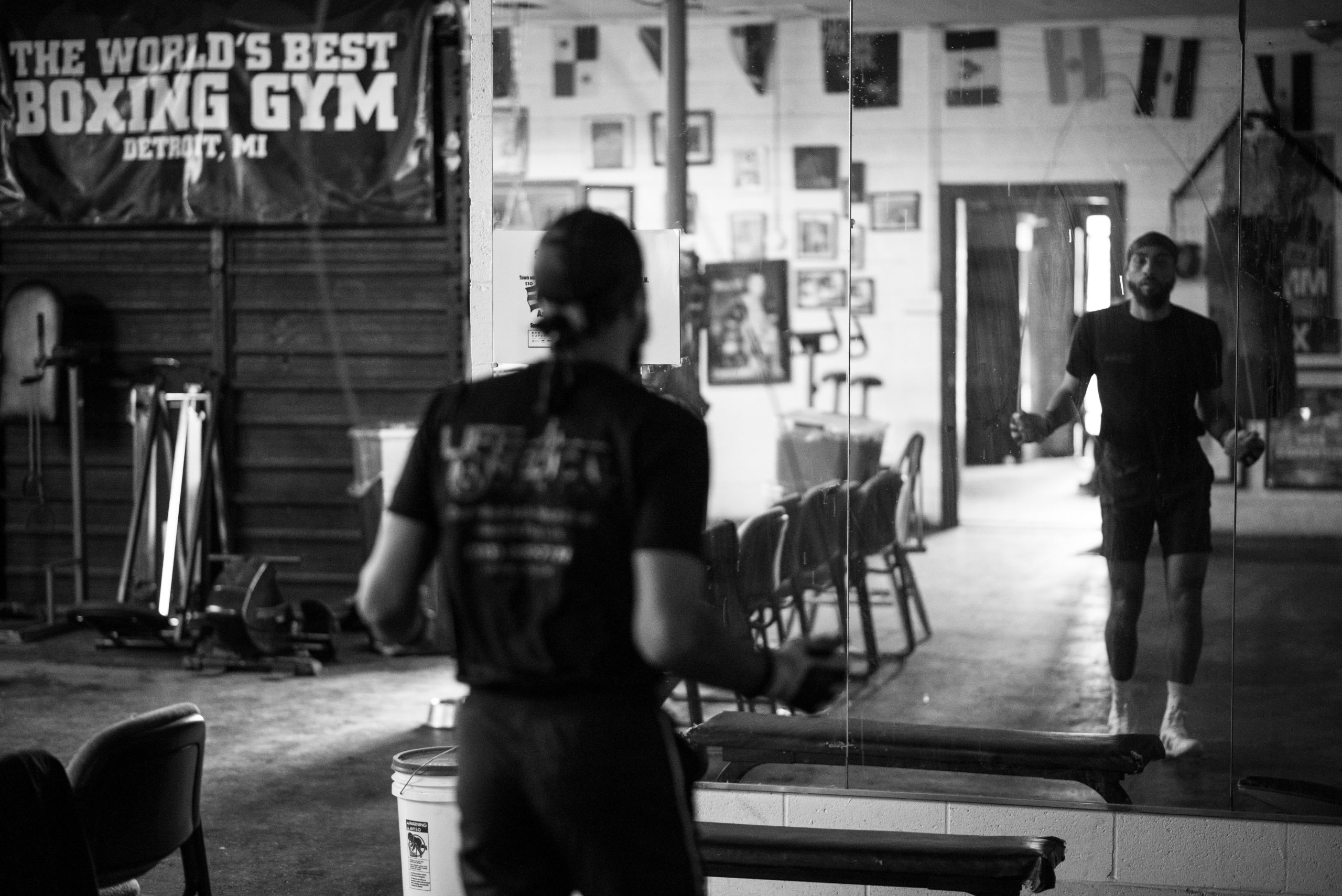
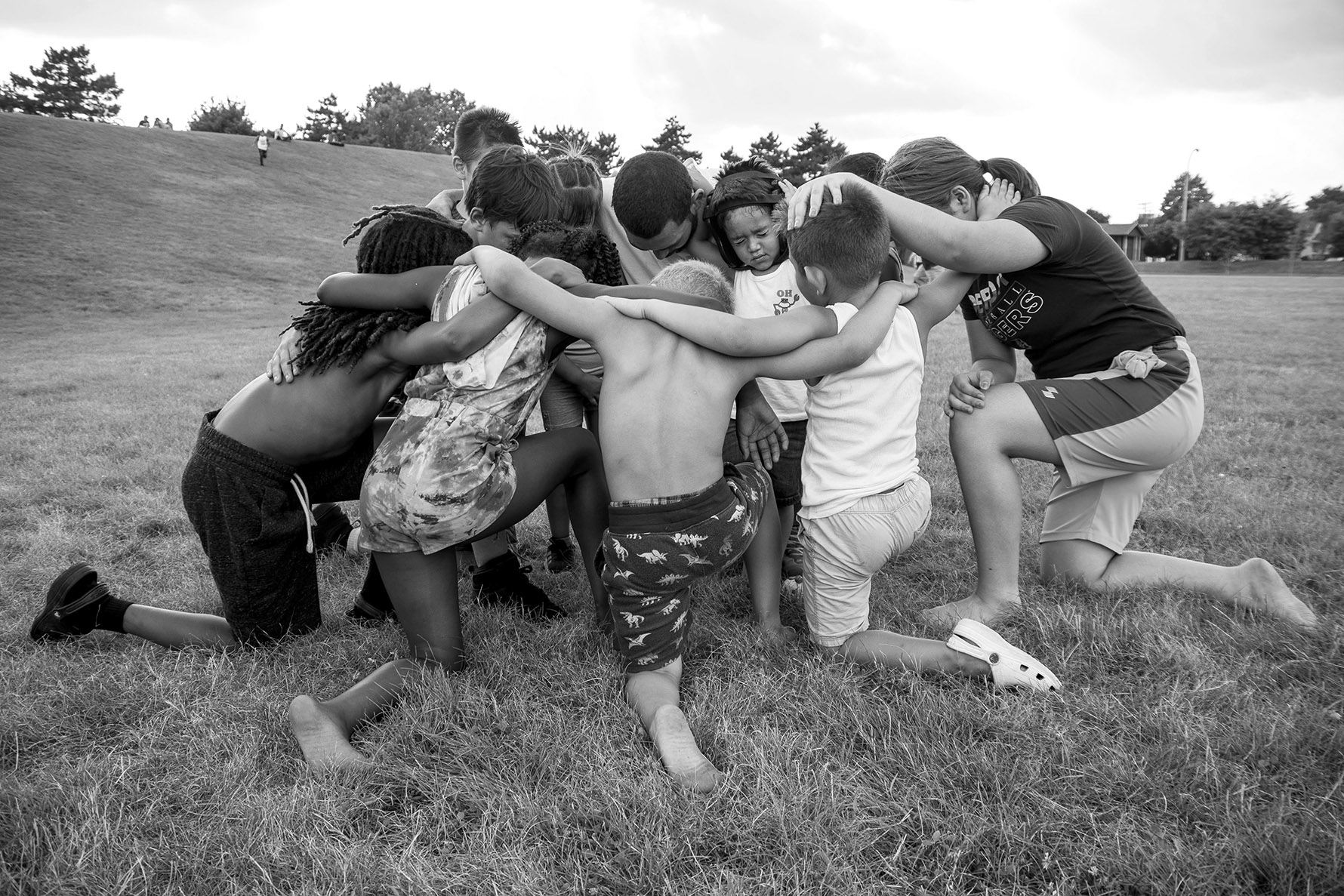
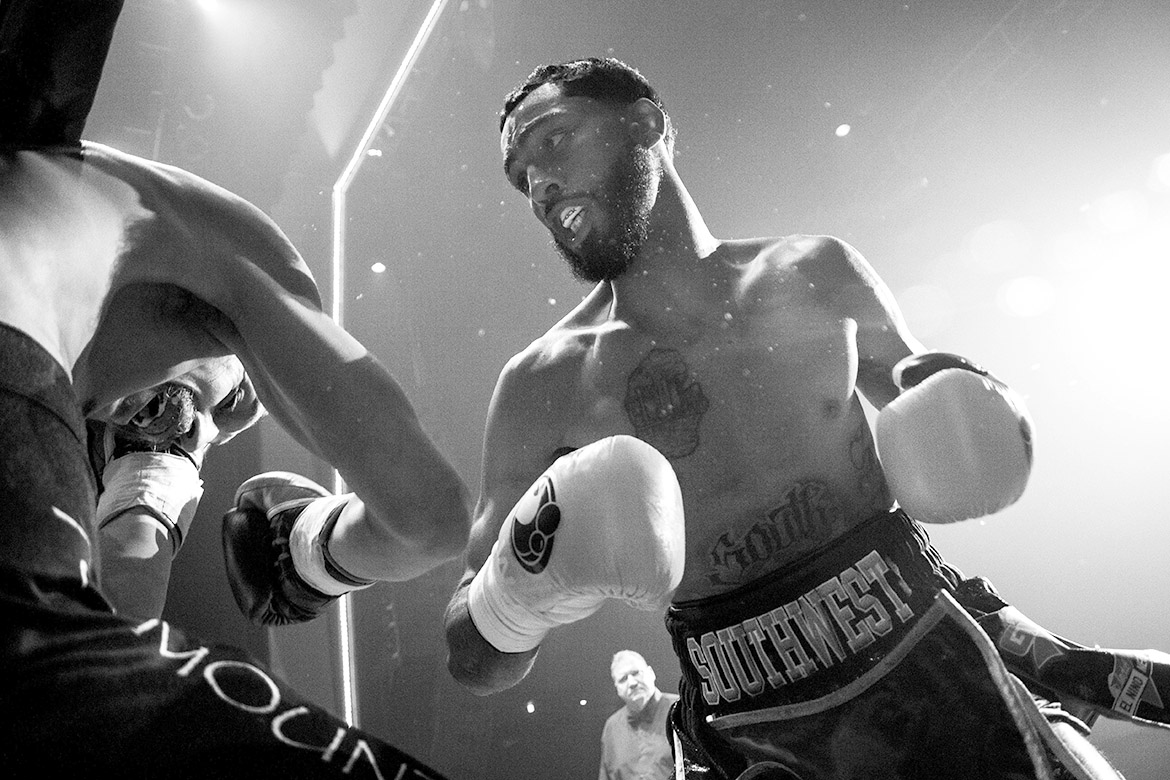
Taylor, a boxer, founded the movement. Futrell, a wrestler, coaches kids in wrestling and boxing on a donation basis so cost never keeps a youth from competing; his gym has produced state and national champions. During the COVID shutdowns, Futrell started putting fights together in a garage. He boxed a pro at one of the Pick Your Poison events, stopped him in the first round, and turned pro himself.
“I wanted to show my kids and other people that you can do whatever you put your mind to,” Futrell said before the premiere.
“As long as they put their mind to anything, and they’re positive, and they work hard , soon enough, and sure enough, it all pays off.”

The film drives home legacy. Not just what you leave behind, Sippel says, but what you inherit from your family the day you’re born, your block, your city, and what you choose to do with it. In Detroit, that conversation starts with Joe Louis.
“The Army years that helped push the military toward integration, the barrier broken in professional golf, and the numbers, 11 years and 252 days as heavyweight champion, 25 consecutive title defenses, records that still stand 75 years after Louis last stepped into the ring… I could go on,” Sippel ended jokingly.
But his daughter says the numbers were never the point.
“My dad loved people. He loved Detroit. He never met a stranger,” Barrow Henderson told the premiere crowd. “He was always humble and kind. He understood to whom much is given, much is required. He never walked through a door that he didn’t hold open for those to come behind him.”
In her family, she said, they call that sowing seeds. “He was the greatest gardener that ever lived.”
She sees the same work ethic in Taylor and Futrell.
“I also believe that D Mike and Dwayne are master gardeners, as they have sown seeds and the legacy right here that are changing lives one warrior at a time.”
Her father’s legacy, she said, lives on in the foundation work her family does with youth in foster care, youth sports programs, people with developmental disabilities, and a social-emotional curriculum for kids.

“My father left me and you more than a name or stats on a sheet. He left us the responsibility to remember who we are and where we come from.”
“Remember, the fight is not over,” she said.
The choice of venue for the premiere was intentional. Sippel calls the Wright Museum’s theater one of the most beautiful in the city, and he wanted the premiere in Detroit proper, “one of the Blackest cities in America,” for a film he describes as, in many ways, a Black and Hispanic story.
Joe Louis’s history and legacy were already in the room; For years, an over eight-foot-tall portrait of Joe Louis hung beside the theater’s projector in the Wright’s theater.
The film also nods to the longer lineage of Southwest Detroit’s street-level peacemakers. Historian, educator, musician, and community activist Ozzie Rivera, who appears in the film, has spent decades working with young people caught between the hard transition of adolescence and adulthood.
“To really do good gang work, you have to be in the middle of it,” Rivera said. “Not risking your life, but knowing the players and knowing how to reach them.”
That’s what “Etched in Pavement” is about, people who stayed in the middle of it.
Sippel is direct about what he wants the film to do.
“I want someone to watch this, and whatever their passion is whether it’s fighting, filmmaking, art, this film shows that if you harness that passion and you use it to uplift, you can move mountains,” he said.
“That’s what Joe Louis did with fighting. That’s what these two guys (D-Mike and Dwane) did with fighting and wrestling, and that’s what I hope to do with filmmaking. So I just hope it lights a fire in people’s ass to go after it.”
For more information and upcoming showings, visit: https://www.etchedinpavement.com/
Las luces se apagaron en el teatro del Charles H. Wright Museum of African American History, y antes de que la película comenzara, una mujer se dirigió al frente de la sala y admitió que estaba nerviosa.
“Me desempeño mejor uno-a-uno que nunca lo hago enfrente de un grupo de personas,” le dijo Joyce Barrow Henderson a la multitud, “aunque soy la menor, y probablemente mis hermanos dirían la más ruidosa.”
Ella pertenecía allí. Su padre fue Joe Louis, el Brown Bomber, el campeón de peso pesado con reinado más largo en la historia del boxeo. Y la película que se reprodujo poco después de que hablara, “Etched in Pavement,” teje su historia a través de las vidas de dos hombres jóvenes de Southwest Detroit quienes decidieron que la manera de salvar su barrio era pelear.
No con armas. Con guantes.
El documental, dirigido por el cineasta de Detroit John Sippel, sigue a Dwane Taylor y Michael “D-Mike” Futrell, un boxeador y un luchador, y el movimiento de pelea callejera que construyeron en Delray llamado Guns Down, Gloves Up.
Comenzó en 2020. Sippel estaba fotografiando las protestas de Black Lives Matter, “tratando de escuchar las historias de la gente, compartir sus historias, encontrar terreno común,” cuando conoció a Taylor. Meses después, Taylor le escribió un mensaje de texto: iba a comenzar peleas en el barrio de Delray de Southwest Detroit llamadas “Pick Your Poison” como una manera para que la gente dejara salir agresión y resolviera conflictos sin levantar un arma. La pelea, le dijo Taylor, lo había ayudado a aliviar mucha tensión acumulada. Imaginó que podría ayudar a chicos en su comunidad a hacer lo mismo.
Sippel apareció con una cámara. Al principio, quizá una docena de personas se pararon en la calle. Entonces el boca a boca y volantes se esparcieron; unos pocos más vinieron, y luego unos cuantos más. Para finales de otoño del mismo año, casi 100 personas estaban apareciendo, de toda el área Metro desde los suburbios, el eastside, el westside, tan lejos como Battle Creek. Peleaban en la sombra de montículos de tierra de 30 pies que más tarde se convertirían en hogar del Gordie Howe International Bridge a Canadá.
Lo que Sippel pensó sería un cortometraje de 15 minutos se convirtió en un documental en proceso de cuatro años.
“Lo que presencié fue otra cosa,” escribe Sippel en su declaración de director. Cada domingo, la multitud crecía con familias, vecinos, extraños parados hombro a hombro. “No se trataba de violencia. Se trataba de desahogo. Se trataba de dignidad.”
Taylor, un boxeador, fundó el movimiento. Futrell, un luchador, entrena a niños en lucha y boxeo en base de donación para que el costo nunca mantenga a un joven de competir; su gimnasio ha producido campeones estatales y nacionales. Durante los cierres de COVID, Futrell comenzó a poner peleas juntas en un garaje. Boxeó a un profesional en uno de los eventos de Pick Your Poison, lo detuvo en el primer round, y se convirtió en profesional él mismo.
“Quería mostrar a mis hijos y a otra gente que puedes hacer lo que pongas tu mente en,” dijo Futrell antes del estreno.
“Siempre y cuando pongan su mente en cualquier cosa, y sean positivos, y trabajen duro, pronto, y seguramente, todo se paga.”
La película enfatiza el legado. No solo lo que dejas atrás, dice Sippel, sino lo que heredas de tu familia el día que naces, tu cuadra, tu ciudad, y lo que eliges hacer con ello. En Detroit, esa conversación comienza con Joe Louis.
“Los años del Ejército que ayudaron a empujar al militar hacia la integración, la barrera rota en golf profesional, y los números, 11 años y 252 días como campeón de peso pesado, 25 defensas de título consecutivas, registros que aún se mantienen 75 años después de que Louis pisara por última vez el ring… podría continuar,” terminó Sippel en broma.
Pero su hija dice que los números nunca fueron el punto.
“Mi papá amaba a la gente. Amaba a Detroit. Nunca conoció un extraño,” le dijo Barrow Henderson a la multitud del estreno. “Siempre fue humilde y amable. Entendía que a quien mucho se le da, mucho se le requiere. Nunca caminó a través de una puerta que no sostuviera abierta para aquellos que vinieran detrás de él.”
En su familia, dijo, llaman a eso sembrar semillas. “Fue el jardinero más grande que jamás haya vivido.”
Ella ve el mismo ética de trabajo en Taylor y Futrell.
“También creo que D Mike y Dwayne son jardineros maestros, ya que han sembrado semillas y el legado aquí mismo que están cambiando vidas un guerrero a la vez.”
El legado de su padre, dijo, vive en el trabajo de fundación que su familia hace con jóvenes en cuidado de acogida, programas de deportes de jóvenes, personas con discapacidades del desarrollo, y un currículo socio-emocional para niños.
“Mi padre me dejó y te dejó más que un nombre o estadísticas en una hoja. Nos dejó la responsabilidad de recordar quiénes somos y de dónde venimos.”
“Recuerda, la pelea no ha terminado,” dijo.
La elección de lugar para el estreno fue intencional. Sippel llama al teatro del Wright Museum uno de los más hermosos de la ciudad, y quería el estreno en Detroit propio, “una de las ciudades más negras de América,” para una película que describe como, de muchas maneras, una historia negra e hispana.
La historia y legado de Joe Louis ya estaban en la sala; Durante años, un retrato de Joe Louis de más de ocho pies de alto colgaba al lado del proyector del teatro del Wright.
La película también hace un guiño a la ascendencia más larga de los pacificadores a nivel de calle de Southwest Detroit. Historiador, educador, músico, y activista comunitario Ozzie Rivera, quien aparece en la película, ha gastado décadas trabajando con jóvenes atrapados entre la transición dura de la adolescencia a la edad adulta.
“Para realmente hacer buen trabajo de pandillas, tienes que estar en medio de ello,” dijo Rivera. “No arriesgando tu vida, pero conociendo a los jugadores y sabiendo cómo alcanzarlos.”
Eso es de lo que trata “Etched in Pavement,” personas que permanecieron en medio de ello.
Sippel es directo sobre lo que quiere que haga la película.
“Quiero que alguien vea esto, y cualquier sea su pasión, ya sea pelear, cinematografía, arte, esta película muestra que si aprovechas esa pasión y la usas para elevar, puedes mover montañas,” dijo.
“Eso es lo que Joe Louis hizo con la pelea. Eso es lo que estos dos chicos (D-Mike y Dwane) hicieron con la pelea y la lucha, y eso es lo que espero hacer con la cinematografía. Así que solo espero que encienda un fuego en el trasero de la gente para ir por ello.”
Para más información y próximas proyecciones, visita: https://www.etchedinpavement.com/