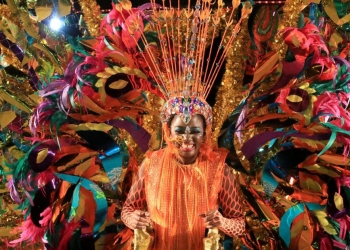













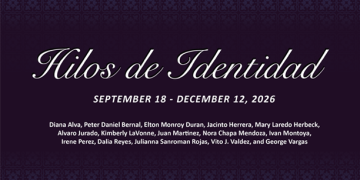



Commemorating Hispanic heritage goes beyond celebrating. It means talking about the common identity among Latin Americans, which does not mean saying that all the peoples of Latin America are the same. On the contrary, one of the main characteristics of our region is its enormous cultural, linguistic, historical, and social diversity. From Mexico to Argentina and Chile, passing through Central America, the Caribbean, and the countries of South America, there are different ways of expressing culture, manifested in the ways people speak, cook, celebrate, and, above all, understand society based on the particular characteristics of each place that distinguish it from the rest of the world.
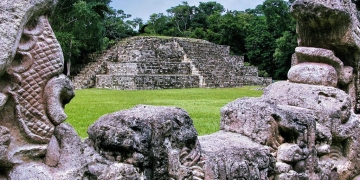
 An important part of this common identity has to do with a history that, although it developed differently in each territory, was marked by the presence of Indigenous peoples, European colonization, African populations, and the subsequent processes of independence. Latin America was born from the encounter, often violent and unequal, between different peoples and cultures. From this process emerged deeply mixed and diverse societies, in which Indigenous, European, and African traditions came together and gave rise to new ways of speaking, eating, believing, making music, and relating to the environment.
Language has also played a fundamental role in the construction of this identity. Spanish is the majority language in much of the Americas, while Portuguese has a fundamental presence in Brazil, and French, English, and numerous Indigenous languages are part of the linguistic landscape of other territories. But even within Spanish there are enormous differences. Words, accents, expressions, and ways of communicating change from one country to another and even from one region to another. They may seem like major differences, but they only show the richness that exists within the same Latin American culture.
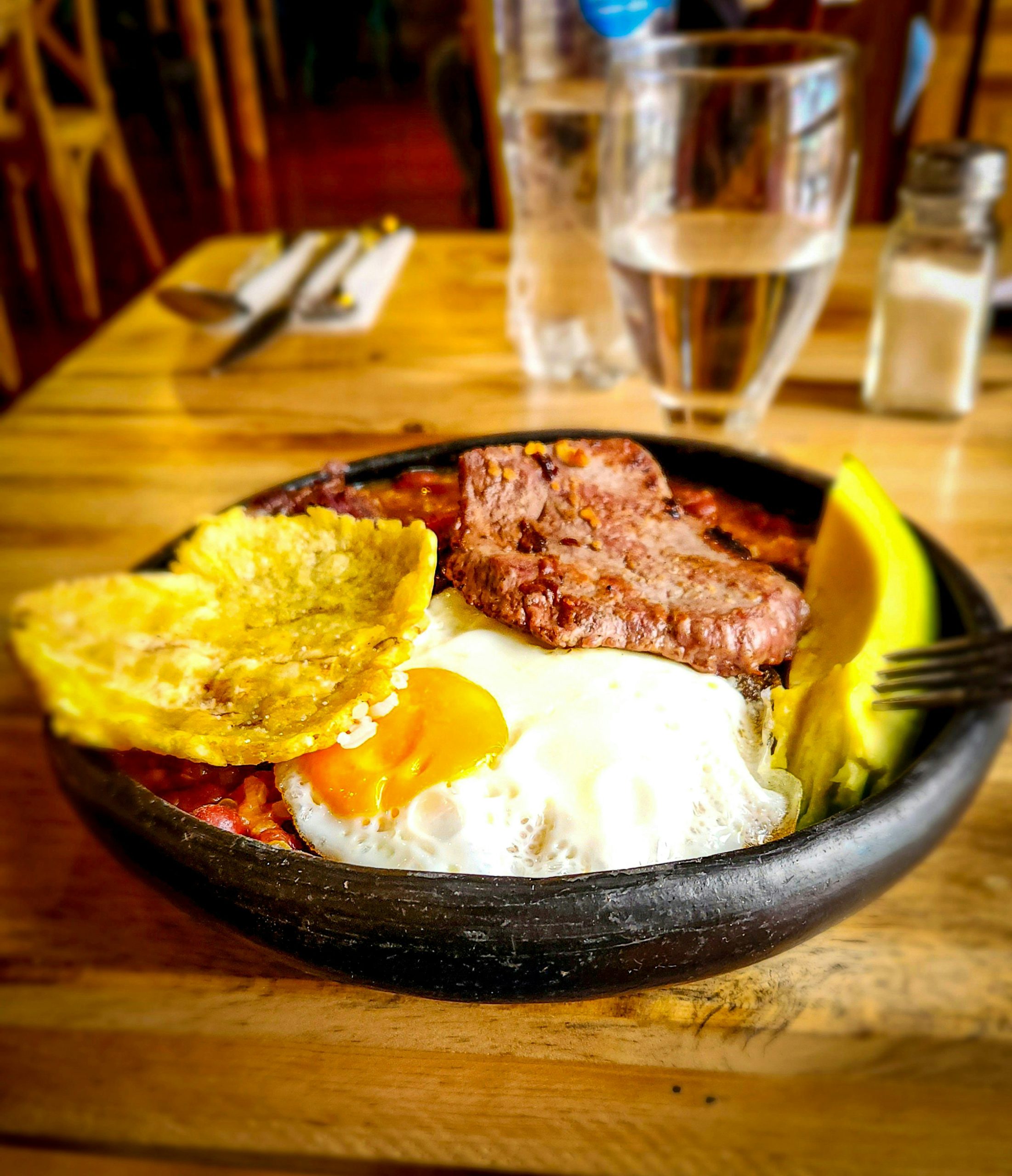
It is important not to leave gastronomy aside, because it allows us to recognize a Latin American identity built from the diversity that exists even in the same ingredients: corn, cassava, beans, rice, chili peppers, potatoes, plantains, and avocados give flavor to so many dishes. Just to name a few, red rice with peas, arroz con gandules, rice and beans, or morisqueta. In this way, we can see that each society developed its own recipes and ways of preparing food. Gastronomic diversity demonstrates the creativity that surrounds each culture, the way of interpreting the world, flavor, and reality, the ability to appreciate and make use of what we have, what is left over, what remains, because where do chilaquiles come from if not yesterday’s tortillas, the hard tortillas?
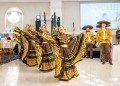
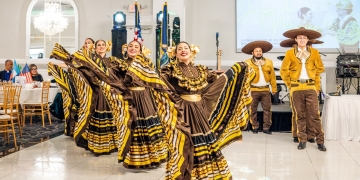
Today, music and, along with it, dance maintain these bonds, on the one hand between cumbia and cumbia, and on the other between son jarocho, son cubano, Peruvian waltz, Puerto Rican salsa, Colombian cumbia, Central American merengue, Caribbean bachata, southern tango, samba, and many other genres that were born from historical contexts that reinterpret Indigenous, African, and European influences. Music crosses borders; it does not only stay at home, but reaches ears we do not know, even thousands of miles from its place of origin, creating shared cultural references.
There is also a historical memory that has helped bring Latin Americans closer together. The struggles for independence, the formation of the new republics, social inequalities, migrations, and different political processes have left experiences that, although they are not identical, share certain points of connection. At different moments in history, Latin Americans have also shared problems related to the defense of natural resources, and the search for better opportunities.

Migration has strengthened these ties even further. Millions of Latin Americans currently live outside the countries where they were born and carry with them their customs, words, flavors, celebrations, and ways of understanding life. In cities across the United States, Spain, and other parts of the world, it is possible to find Mexican, Colombian, Argentine, Peruvian, Venezuelan, Dominican, Cuban, and many other Latin American communities. This presence has helped create spaces where different Latin American cultures live together and recognize one another.
For this reason, perhaps the common identity among Latin Americans should not be understood as a single and uniform identity, but rather as a kind of great mosaic. Each country, each region, and each people contribute a different piece. In this mosaic, there is room for Indigenous languages and Spanish, African and European traditions, modern cities and rural communities, major popular celebrations and the simplest family customs.
Being Latin American, then, can mean recognizing ourselves within a shared history while continuing to value our differences. It means knowing that there are experiences, words, flavors, music, and ways of relating to one another that can feel familiar even when we cross borders. Latin American identity does not eliminate national, Indigenous, regional, or local identities; it coexists with them. Its greatest richness lies precisely in its ability to bring together multiple cultures and turn diversity into an element of common recognition.
Conmemorar la hispanidad va más allá de festejar, es hablar de la identidad común entre los latinoamericanos no significa decir que todos los pueblos de América Latina somos iguales. Al contrario, una de las principales características de nuestra región es la enorme diversidad cultural, lingüística, histórica y social. Desde México hasta Argentina y Chile, pasando por Centroamérica, el Caribe y los países de Sudamérica, existen distintas formas de expresar la cultura manifestada en las formas hablar, cocinar, festejar y, sobre todo, entender la sociedad con base en las características particulares de cada lugar y que lo distinguen del resto del mundo.
Una parte importante de esta identidad común tiene que ver con una historia que, aunque se desarrolló de manera diferente en cada territorio, estuvo marcada por la presencia de los pueblos originarios, la colonización europea, la población africana y los posteriores procesos de independencia. América Latina nació del encuentro, muchas veces violento y desigual, entre diferentes pueblos y culturas. De ese proceso surgieron sociedades profundamente mestizas y diversas, en las que las tradiciones indígenas, europeas y africanas se mezclaron y dieron lugar a nuevas formas de hablar, de comer, de creer, de hacer música y de relacionarse con el entorno.
El idioma también ha desempeñado un papel fundamental en la construcción de esta identidad. El español es la lengua mayoritaria de gran parte de las Américas, mientras que el portugués tiene una presencia fundamental en Brasil y el francés, el inglés y numerosas lenguas indígenas forman parte del paisaje lingüístico de otros territorios. Pero incluso dentro del español existen enormes diferencias. Las palabras, los acentos, las expresiones y las maneras de comunicarse cambian de un país a otro e incluso de una región a otra, que parecen grandes diferencias, pero que sólo muestran la riqueza que existe dentro de la misma cultura latinoamericana.
Es importante no dejar de lado la gastronomía, que nos permite reconocer una identidad latinoamericana construida a partir de la diversidad que existe incluso en los mismos ingredientes: el maíz, la yuca, el frijol, el arroz, el chile, la papa, el plátano, el aguacate que dan sabor a tantos platillos, para no ir lejos, el arroz rojo con chícharos, arroz con gandules, arroz con frijoles o morisqueta; así vemos que cada sociedad desarrolló sus propias recetas y formas de preparar los alimentos. La diversidad gastronómica demuestra la creatividad que rodea a cada cultura, la forma de interpretar el mundo, el sabor, la realidad, la capacidad de apreciar y aprovechar lo que se tiene, lo que sobra, lo que se queda, porque, ¿de dónde vienen los chilaquiles sino de las tortillas de ayer, las tortillas duras?
Actualmente la música y con ella el baile sostienen los lazos, por un lado entre cumbia y cumbia, por otro entre un son jarocho, un son cubano, un vals peruano, la salsa puertorriqueña, una cumbia colombiana, un merengue de Centroamérica, una bachata del caribe, un tango sureño, la samba y muchos otros géneros nacieron de contextos históricos que reinterpretan las influencias indígenas, africanas y europeas. La música cruza las fronteras, no sólo se queda en casa, sino que llega a oídos que no conocemos incluso a miles de kilómetros de su lugar de origen, creando referencias culturales compartidas.
También existe una memoria histórica que ha contribuido a acercar a los latinoamericanos. Las luchas por la independencia, la formación de las nuevas repúblicas, las desigualdades sociales, las migraciones y los diferentes procesos políticos han dejado experiencias que, aunque no son idénticas, presentan ciertos puntos de contacto. En distintos momentos de la historia, los latinoamericanos también han compartido problemas relacionados con la desigualdad, la pobreza, la discriminación, la defensa de los recursos naturales y la búsqueda de mejores oportunidades.
La migración ha reforzado todavía más estos vínculos. Millones de latinoamericanos viven actualmente fuera de sus países de nacimiento y llevan consigo sus costumbres, palabras, sabores, celebraciones y formas de entender la vida. En ciudades de Estados Unidos, España y otros lugares del mundo es posible encontrar comunidades mexicanas, colombianas, argentinas, peruanas, venezolanas, dominicanas, cubanas y de muchos otros países. Esta presencia ha contribuido a crear espacios donde diferentes culturas latinoamericanas conviven y se reconocen mutuamente.
Por eso, quizá la identidad común entre los latinoamericanos no debería entenderse como una identidad única y uniforme, sino como una especie de gran mosaico. Cada país, cada región y cada pueblo aporta una pieza diferente. En ese mosaico caben las lenguas indígenas y el español, las tradiciones africanas y europeas, las ciudades modernas y las comunidades rurales, las grandes celebraciones populares y las costumbres familiares más sencillas.
Ser latinoamericano, entonces, puede significar reconocerse dentro de una historia compartida sin dejar de valorar las diferencias. Es saber que existen experiencias, palabras, sabores, músicas y formas de relacionarse que pueden resultar familiares incluso cuando se cruzan fronteras. La identidad latinoamericana no elimina las identidades nacionales, indígenas, regionales o locales; convive con ellas. Su mayor riqueza está precisamente en esa capacidad de reunir múltiples culturas y convertir la diversidad en un elemento de reconocimiento común.