ADVERTISEMENT
51.42 °f
Detroit
EL CENTRAL Hispanic News
  • Home
  • About
    • Resources
  • Community

    A bridge to adventure: Gordie Howe International Bridge creates international recreation opportunities

    Broderick Manor Comes Back to Life

    Oldest Free Clinic in America is Here in Detroit and Still Serving a Critical Need

    Family portrait of four people outdoors smiling together. Man in center wears a green and red Mexican flag-inspired baseball cap and casual shirt, with his arm around a woman in a dark navy "FIESTA TIGRES" shirt. Two young boys in front wear matching green Detroit Tigers logo t-shirts. All four are smiling warmly at the camera. White siding of house visible in background. Casual outdoor family moment captured in daylight.

    Rooted in Southwest Detroit: For Bianca Cuevas, Community Begins with Family

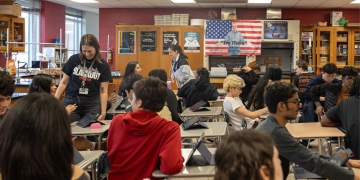
    Classroom scene with a teacher in a black shirt standing among students seated at desks with tablets. Burgundy walls display a US flag and educational posters in the background.

    Michigan Aumentó Financiamiento para Estudiantes del Idioma Inglés por $12.5 Millones. Defensores Dicen que Persiste una Brecha Grande

    Nighttime protest scene with participants holding signs, including messages in Spanish about police abolition and signs reading "WALKOUT! NATIONWIDE SHUTDOWN JAN 20" and "FROM DETROIT TO MINNEAPOLIS STOP ICE TERROR." Participants bundled in winter clothing.

    LatinX Youth Council Recruitment

    Programas de Reparación de Vivienda de Detroit Se Reabrieron: Quién Califica, Cómo Aplicar

    Three women seated at a table branded "MI PODER" during an event or conference, with colorful striped table runners and informational materials, with event attendees visible in the background.

    La Participación Latina Salta en Michigan Primary Conforme el Poder Político de la Comunidad Crece

    Hotel Yorba’s Next Chapter Is Still Unwritten — And Detroiters Want a Say

  • Featured
    Joyas de Mexico

    Talentos Latinos Celebrates Eight Years of Recognizing Michigan’s Latino Community

    SER Metro-Detroit Celebrates its 55th Anniversary of the Annual Amigos de SER Business Recognition Luncheon

    100 Years of Film and Music: Detroit’s Senate Theater Marks Milestone With October Event

    Oldest Free Clinic in America is Here in Detroit and Still Serving a Critical Need

    Latinos Downriver Are Gaining Political Clout

    Dr. Nathalia Jaramillo Receives Warm Community Welcome 

    Two men in dark suits, one holding a framed award certificate labeled "RECONOCIMIENTO." Man on left wearing a maroon tie and medal on ribbon. Formal office setting with windows.

    Mexican Consul Celebrates El Grito Alongside Community Leaders

    Woman with long brown hair in a top bun indoors, wearing a black v-neck top and blue jeans with brown braided belt. She's smiling brightly at the camera with both hands raised playfully near her head. Gold chain necklaces and rings visible. Warm golden lighting illuminates the space, with shelving and home décor items blurred in the background

    Mama Coo’s Boutique Celebrates 10 Years of Style and Community

    DIA Announces Ofrenda Artists Celebrating el Día de Muertos

  • Opinion
  • Culture & Arts
    • All
    • World Cultures

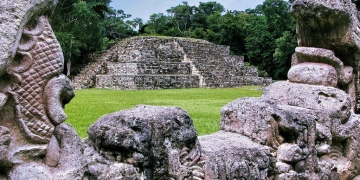
    The Mayan Ruins of Copán

    100 Years of Film and Music: Detroit’s Senate Theater Marks Milestone With October Event

    Saint Barthélemy

    Saint Kitt’s and Nives

    Talentos Latinos Awards Announces 2026 Honorees Ahead of Oct. 2 Ceremony

    DIA Announces Ofrenda Artists Celebrating el Día de Muertos

    Independence in Spanish America

    Group portrait of seven women on stage wearing elaborate costumes including traditional embroidered Mexican dresses, ornate headdresses with floral and decorative elements, all in formal attire

    “Bajo las Estrellas de Guerrero” Celebrates Mexican Art and Luly del Real’s Legacy

    WSU’s College of Fine, Performing and Communication Arts Celebrates Latino Artists 

    • World Cultures
  • Latest Issue
  • Past Issues
    • Throwbacks
  • Events
  • Newsletter
  • Contact
    • Advertise
  • en English
    • en English
    • es Spanish
No Result
View All Result
EL CENTRAL Hispanic News
No Result
View All Result

Día de los Muertos traditions

Día de los Muertos: November 1–2 traditions, from Mexican altars to pan de muerto and calaveritas literarias. Learn how Mexico honors its ancestors through ofrendas, marigolds, and papel picado

Mariana Ayón RV by Mariana Ayón RV
November 1, 2026
in Culture & Arts, Español, World Cultures
Home Culture & Arts
ShareShareTweetEmail to a friend
Español Abajo

Mexico’s relationship with death has a precolonial history that is reflected in various ritual practices of Mesoamerican peoples. One example is the Huey Tzompantli of Mexico-Tenochtitlan, a structure associated with the Templo Mayor, where the skulls of sacrificed individuals were displayed. Its purpose had religious and political significance related to the Mexica worldview, in which sacrifice was part of the relationship between human beings and the gods.
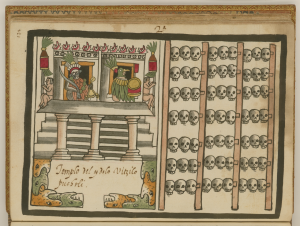
In 2015, archaeologists from Mexico’s National Institute of Anthropology and History (INAH) discovered the remains of this structure in Mexico City’s Historic Center. Subsequent research has made it possible to study its features and learn more about the people whose remains became part of this monument.

ADVERTISEMENT

Today, Day of the Dead is one of Mexico’s most representative traditions. It is celebrated on November 1 and 2, when families remember their loved ones through offerings and visits to cemeteries, where they clean and decorate graves with flowers and candles. The celebration has roots in the beliefs of Indigenous peoples such as the Mexica (Aztecs), Mixtecs, Zapotecs, Tlaxcalans, and Totonacs. After the arrival of the Spanish, their practices blended with the Catholic celebrations of All Saints’ Day and All Souls’ Day.

In the Mexica (Aztec) tradition, Mictlan was the world of the dead. According to custom, the first day is dedicated mainly to children who have passed away, while the second honors adults, as it is believed that the souls return to visit their families.

One of the central elements of this celebration is the Day of the Dead altar, whose arrangement varies according to the region and family customs. It usually includes photographs, candles, marigolds, red ribbon flowers, papel picado (decorative cut-paper banners), food, and objects that the deceased enjoyed during their lifetime. The water, soap, towel, and mirror found in some offerings symbolize the items the souls need to wash up before enjoying the food. Salt and ash may be arranged in the shape of a cross associated with purification, while candles and flowers symbolically illuminate and guide the souls on their way back. Papel picado, made from thin, colorful sheets of paper, adds a festive touch to the altar. It is decorated with skulls, flowers, and other designs that bring movement and color to the offerings.

The levels of the altars also have different meanings. Three-level altars are commonly associated with heaven, earth, and purgatory, while those with nine levels are linked to the nine levels of Mictlan, and thirteen-level altars represent the heavens in the pre-Hispanic worldview. The offerings also include dishes that the person being honored enjoyed during their lifetime, often including mole, tamales, and the deceased’s favorite drinks. Sharing these flavors is a way to remember their tastes and keep their stories alive.

In northern Mexico, some Indigenous peoples, such as the Mayo, Yaqui, and Seri, prepare an offering known as a Tapanco. It consists of a raised platform made from mesquite branches and supported by four wooden posts, on which they place candles, flowers, fruit, food, and a cross. This type of offering does not necessarily include photographs, personal belongings, or papel picado. This creates a notable contrast between the more austere offerings of the north and the abundance of colors found in the south, highlighting the diversity of practices through which different communities remember their deceased loved ones.
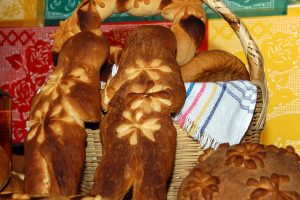
Food also plays an important role in the celebration. Pan de muerto, or Day of the Dead bread, is one of its best-known symbols, although its preparation varies from region to region. In some parts of central Mexico, it is sprinkled with pink sugar, while in Michoacán, breads shaped like human figures and animals are made. In Guanajuato, certain varieties include anise bread topped with a sweet spread made primarily from sweet potato and guava or sweet potato and walnuts.

Other traditional elements include sugar skulls, which usually bear the name of the person receiving them as a gesture of affection, and Calaveritas Literarias, short rhyming poems that play with the idea of death. In these poems, death appears as a character trying to take someone away, usually through humorous situations related to that person’s personality, occupation, or everyday activities. These compositions offer a clever and humorous way of approaching death as part of the popular expressions associated with Day of the Dead.

It is important to remember that references to death during Day of the Dead are not intended as insults, but rather as a way of expressing affection within Mexican culture.

Tradiciones de Día de Muertos

La relación de México con la muerte tiene una historia precolonial que se refleja en distintas prácticas rituales de los pueblos mesoamericanos. Un ejemplo es el Huey Tzompantli de México-Tenochtitlan, una estructura vinculada con el Templo Mayor, en la que se exhibían cráneos humanos de personas sacrificadas. Su función tenía significados religiosos y políticos relacionados con la cosmovisión mexica, en la que el sacrificio formaba parte de la relación entre los seres humanos y los dioses.

En 2015, arqueólogos del Instituto Nacional de Antropología e Historia (INAH) descubrieron restos de esta estructura en el Centro Histórico de la Ciudad de México. Las investigaciones posteriores han permitido estudiar sus características y conocer más sobre las personas cuyos restos formaron parte del monumento.

Actualmente, el Día de Muertos es una de las tradiciones más representativas de México, se celebra los días 1 y 2 de noviembre en los que las familias recuerdan a sus seres queridos mediante ofrendas y visitas a los panteones, donde limpian y adornan las tumbas con flores y velas. La celebración tiene raíces en las creencias de pueblos originarios como los mexicas-aztecas, mixtecas, zapotecas, tlaxcaltecas y totonacas, cuyas prácticas se combinaron tras la llegada de los españoles con las celebraciones católicas de Todos los Santos y los Fieles Difuntos. 

En la tradición mexica-azteca, el Mictlán era el mundo de los muertos. Según la costumbre, el primer día se dedica principalmente a los niños fallecidos y el segundo a los adultos, pues se cree que las almas regresan para visitar a sus familiares.

Uno de los elementos centrales de esta festividad es el altar de muertos, cuya composición varía según la región y las costumbres familiares. Suele incluir fotografías, velas, flores de cempasúchil y flores de listón rojo, papel picado, alimentos y objetos que los difuntos disfrutaban en vida. El agua, el jabón, la toalla y el espejo que aparecen en algunas ofrendas simbolizan los elementos necesarios para que las almas puedan asearse antes de disfrutar los alimentos. La sal y la ceniza pueden colocarse formando una cruz asociada con la purificación, mientras que las velas y las flores ayudan simbólicamente a iluminar y orientar el camino de regreso. El papel picado, elaborado con hojas delgadas y de colores abandera el altar; mismo que también se decora con calaveras, flores y otros motivos que aportan movimiento y color a los altares.

Los niveles también tienen distintos significados. Los altares de tres niveles suelen relacionarse con el cielo, la tierra y el purgatorio, mientras que los de nueve niveles se vinculan con los nueve niveles del Mictlán y los de trece con los cielos de la cosmovisión prehispánica. En las ofrendas también se colocan platillos que disfrutó a quien se dedica el altar, entre los que suele incluirse el mole, tamales, o también bebidas favoritas de los difuntos, pues compartir sus sabores es una manera de recordar sus gustos y mantener presente su historia.

En el norte de México, algunos pueblos indígenas, como los mayos, yaquis y seris, preparan una ofrenda conocida como Tapanco. Se trata de una plataforma elevada construida con varas de mezquite y sostenida por cuatro troncos, sobre la que colocan velas, flores, frutas, alimentos y una cruz. Esta forma de ofrenda no necesariamente incluye fotografías, pertenencias personales o papel picado, lo que marca una gran diferencia entre la austeridad del norte y vastedad de colores del sur, dejando en claro la diversidad de prácticas con las que distintas comunidades recuerdan a sus difuntos.

La gastronomía también ocupa un lugar importante. El pan de muerto es uno de los símbolos más conocidos de la celebración, aunque su preparación cambia de una región a otra. En algunas zonas del centro del país se espolvorea con azúcar rosa, mientras que en Michoacán se elaboran panes con figuras humanas y animales. En Guanajuato, ciertas preparaciones incluyen pan de anís al que se le cubre con una cajeta de camote con guayaba o con nuez, principalmente.

Entre los elementos tradicionales también destacan las calaveritas de azúcar, que suelen llevar el nombre de la persona a quien se regalan como muestra de afecto, y las calaveritas literarias, pequeñas composiciones rimadas que juegan con la idea de la muerte. En ellas, la muerte aparece como un personaje que intenta llevarse a alguien, generalmente mediante situaciones humorísticas relacionadas con su personalidad, su oficio o sus actividades cotidianas. Estas composiciones permiten abordar la muerte con ingenio y humor, como parte de las expresiones populares vinculadas con el Día de Muertos.

Recordemos que las alegorías a la muerte en el contexto del día de muertos no es un insulto, sino una forma de expresar cariño dentro de la cultura mexicana. 

Tags: Dia de MuertosMexico
Previous Post

Trump and his Sycophants Exposed: The Real Meaning of the Midterm Election

Next Post

Vigilia interreligiosa por el voto pide proteger a los trabajadores electorales y a los votantes antes de las elecciones del 3 de noviembre

Mariana Ayón RV

Mariana Ayón RV

Mexican poet and writer. Interested in hispanic-latinamerican cultures. Settled in Mexico, she is currently studying a Master's Degree in History.

Related Posts

Español

Trump and his Sycophants Exposed: The Real Meaning of the Midterm Election

by EL CENTRAL
November 1, 2026
0

Trump’s approval hits record lows as Americans see democracy at stake. National Guard deployments, ICE raids, DOJ pressure. Midterms Nov....

Read moreDetails
Español

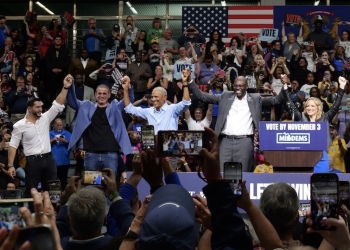
National Leaders Converge on Michigan for Midterm Closing Arguments

by EL CENTRAL
October 29, 2026
0

Obama rallies 4,000 at Cass Tech; Trump, Vance, AOC, Sanders join Michigan closing push before November 3. El-Sayed, Benson, Rogers...

Read moreDetails
Community

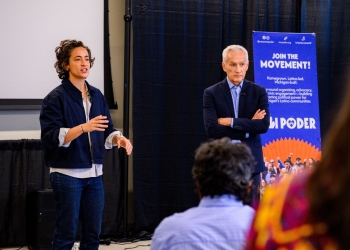
Jorge and Paola Ramos Bring National Platform to Michigan Highlighting Pivotal Election

by Juanita Zuniga
October 29, 2026
0

Jorge and Paola Ramos bring “The Moment” podcast to Holland, Michigan. Abdul El-Sayed answers Latino voters’ questions on ICE, immigration,...

Read moreDetails
Español

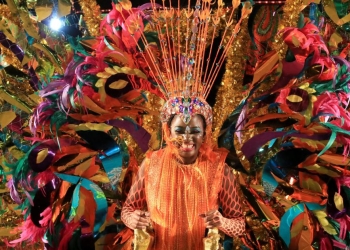
Trinidad and Tobago

by Mariana Ayón RV
October 27, 2026
0

Trinidad and Tobago: independence in 1976, 80,000+ years of history. Beaches, oil, gas, and a fusion of African, Indian, and...

Read moreDetails
Community

No Kings Rallies Encourage Early Voting to Protect the Vote 

by EL CENTRAL
October 25, 2026
0

No Kings held nearly 3,000 events nationwide for early voting. Meta suspended @nokingscoalition. Join the Oct. 29 election defense call...

Read moreDetails
Español

The Tragic Death of the Republican Party

by EL CENTRAL
October 25, 2026
0

The Republican Party is dead, tied to Trump’s authoritarianism while 66% of Americans disapprove. Democracy requires two governing parties. Vote...

Read moreDetails
Leave Comment
ADVERTISEMENT
  • Trending
  • Comments
  • Latest
Keith Baldwin, owner of Regal Eagle Soccer Pub, stands outside the pub at 3537 Vernor Highway in Southwest Detroit. Photo by Andrés Ospina. 
Keith Baldwin, propietario de Regal Eagle Soccer Pub, frente al establecimiento en 3537 Vernor Highway, en el suroeste de Detroit. Foto de Andrés Ospina.

A Bet on Southwest Detroit: Where Soccer Feels at Home

August 13, 2026

Remembering Humberto Ruben Oriel

August 6, 2026
MANA de Metro Detroit chapter founders. Ines de Jesus pictured in the back row, far right. Photo courtesy MANA de Metro Detroit.

From ESL Student to Systemic Change Agent: Ines de Jesus

August 13, 2026
Multiple panelists stand in discussion in front of a projection screen reading "THREE WAYS TO TAKE ACTION" at an event space with distinctive yellow-framed windows and decorative skull murals on the walls

Latino Leaders Gather in Detroit for Statewide ‘No Se Puede, Sin Nosotros’ Convening

July 30, 2026

How ‘Etched In Pavement’ Unpacks Legacy, Fatherhood, and Southwest Detroit

0
Joyas de Mexico

Talentos Latinos Celebrates Eight Years of Recognizing Michigan’s Latino Community

0

El arzobispo Weisenburger pide un cambio de corazón y mentalidad con respecto a la inmigración

0

SER Metro-Detroit Celebrates its 55th Anniversary of the Annual Amigos de SER Business Recognition Luncheon

0

How ‘Etched In Pavement’ Unpacks Legacy, Fatherhood, and Southwest Detroit

October 13, 2026

The Mayan Ruins of Copán

October 13, 2026

El arzobispo Weisenburger pide un cambio de corazón y mentalidad con respecto a la inmigración

October 11, 2026

The Central Question of Power in America

October 11, 2026
ADVERTISEMENT

How ‘Etched In Pavement’ Unpacks Legacy, Fatherhood, and Southwest Detroit

October 13, 2026

The Mayan Ruins of Copán

October 13, 2026

El arzobispo Weisenburger pide un cambio de corazón y mentalidad con respecto a la inmigración

October 11, 2026

The Central Question of Power in America

October 11, 2026
Joyas de Mexico

Talentos Latinos Celebrates Eight Years of Recognizing Michigan’s Latino Community

October 8, 2026

SER Metro-Detroit Celebrates its 55th Anniversary of the Annual Amigos de SER Business Recognition Luncheon

October 8, 2026
  • Trending
  • Comments
  • Latest

Volunteers Needed for Refugee Resettlement in Michigan

February 14, 2024

Why We Celebrate “CINCO DE MAYO, THE 5TH OF MAY”

May 2, 2024
Steve Nagi Vanessa and Joanna Velazquez

Infamous Highwaymen Motorcycle Club Leader Pursues a Second Chance at Life

February 1, 2024

MSHDA Opens $60 Million MI Neighborhood Applications

April 4, 2024

Community and RuboFest 2022 

0

“Vemos a México como un socio igualitario”

0

Ford Hispanic and Latino Network Beautifies Clark Park

0

Editorial Opinion “The Fifth, I take the Fifth”

0

How ‘Etched In Pavement’ Unpacks Legacy, Fatherhood, and Southwest Detroit

October 13, 2026

The Mayan Ruins of Copán

October 13, 2026

El arzobispo Weisenburger pide un cambio de corazón y mentalidad con respecto a la inmigración

October 11, 2026

The Central Question of Power in America

October 11, 2026
Joyas de Mexico

Talentos Latinos Celebrates Eight Years of Recognizing Michigan’s Latino Community

October 8, 2026

SER Metro-Detroit Celebrates its 55th Anniversary of the Annual Amigos de SER Business Recognition Luncheon

October 8, 2026
ADVERTISEMENT
EL CENTRAL Hispanic News

Local News. Latin Pride. Real Stories.
Contamos lo que otros no cuentan
Be part of the conversation

Follow Us

Browse by Category

  • Business
  • Classifieds
  • Community
  • Culture & Arts
  • Education
  • Entrepreneurs
  • Español
  • Events
  • Featured
  • Finance
  • Food
  • Latest News
  • Local News
  • Local Small Business
  • Music
  • National News
  • Opinion
  • Others
  • People
  • Politics
  • Resources
  • Restaurants
  • Sports
  • Throwbacks
  • World
  • World Cultures

Republishing Guidelines

Our stories may be republished online or in print under Creative Commons license CC BY-NC-ND 4.0. We ask that you edit only for style or to shorten, provide proper attribution and link to our website.

  • Latest Issue
  • Newsletter
  • Advertise
  • About
  • Contact
  • Privacy & Cookie Policy
  • Terms
  • Created with EyeBreatheDesign

© 2026 EL CENTRAL HISPANIC NEWS

No Result
View All Result
  • Home
  • Sections
    • Featured
    • Local News
    • Community
    • Culture & Arts
    • Español
    • Music
    • Sports
  • Events
  • Latest Issue
  • Past Issues
  • Contact
  • Advertise
  • Privacy & Cookie Policy
  • Terms of Service

© 2026 EL CENTRAL HISPANIC NEWS