





56 °f
Detroit
EL CENTRAL Hispanic News
  • Home
  • About
    • Introducing the partnership with the Race and Justice reporting Initiative
    • Resources
  • Español
    ​​Bad Bunny Makes Grammy History With Album of the Year Win

    ​​Bad Bunny Makes Grammy History With Album of the Year Win

    The Bagley-West Vernor Historic District Is Now Listed in the National Register of Historic Places

    The Bagley-West Vernor Historic District Is Now Listed in the National Register of Historic Places

    MANA de Metro Detroit 2026 Scholarship Applications are Now Open

    MANA de Metro Detroit 2026 Scholarship Applications are Now Open

    “In the Cold, We Chose to Be Heard”

    “In the Cold, We Chose to Be Heard”

    Journalism Camp 2026

    Journalism Camp 2026

    The 2025-26 “No Kings” Movement: The Fourth American Revolution

    The 2025-26 “No Kings” Movement: The Fourth American Revolution

    Chile and its textil art

    Chile and its textil art

    The Brutal Cold Siege in the Midwest

    The Brutal Cold Siege in the Midwest

    Announcing National Commemoration of Mexican American Heritage Day 

    Announcing National Commemoration of Mexican American Heritage Day 

  • Community
    The “Real Fear” Driving People into the Streets

    The “Real Fear” Driving People into the Streets

    Super Bowl XL – 2006 – Detroit – Unforgettable after 20 Years

    Super Bowl XL – 2006 – Detroit – Unforgettable after 20 Years

    The Bagley-West Vernor Historic District Is Now Listed in the National Register of Historic Places

    The Bagley-West Vernor Historic District Is Now Listed in the National Register of Historic Places

    MANA de Metro Detroit 2026 Scholarship Applications are Now Open

    MANA de Metro Detroit 2026 Scholarship Applications are Now Open

    “In the Cold, We Chose to Be Heard”

    “In the Cold, We Chose to Be Heard”

    Journalism Camp 2026

    Journalism Camp 2026

    The Brutal Cold Siege in the Midwest

    The Brutal Cold Siege in the Midwest

    Announcing National Commemoration of Mexican American Heritage Day 

    Announcing National Commemoration of Mexican American Heritage Day 

    EL CENTRAL Launches Weekly News Podcast “El Pulso”

  • Featured
    The “Real Fear” Driving People into the Streets

    The “Real Fear” Driving People into the Streets

    Super Bowl XL – 2006 – Detroit – Unforgettable after 20 Years

    Super Bowl XL – 2006 – Detroit – Unforgettable after 20 Years

    ​​Bad Bunny Makes Grammy History With Album of the Year Win

    ​​Bad Bunny Makes Grammy History With Album of the Year Win

    The Brutal Cold Siege in the Midwest

    The Brutal Cold Siege in the Midwest

    Announcing National Commemoration of Mexican American Heritage Day 

    Announcing National Commemoration of Mexican American Heritage Day 

    Local Leaders Unite in Welcoming Miguel Rodriguez as New DHDC Executive Director

    Local Leaders Unite in Welcoming Miguel Rodriguez as New DHDC Executive Director

    Fighting for the Right to Live in Peace

    Fighting for the Right to Live in Peace

    Detroit Auto Manufacturers Win Top Awards at 2026 Detroit Auto Show

    Detroit Auto Manufacturers Win Top Awards at 2026 Detroit Auto Show

    The Sun Shined Brightly on this Year’s Clark Park Winter Carnival!

    The Sun Shined Brightly on this Year’s Clark Park Winter Carnival!

  • Opinion
  • Culture & Arts
    • All
    • World Cultures
    Chile and its textil art

    Chile and its textil art

    Día de la Candelaria

    Día de la Candelaria

    Dunes of Jericoara and Nélida Piñón

    Dunes of Jericoara and Nélida Piñón

    Explore Michigan connections, Latino history of black velvet paintings at new museum exhibit

    Explore Michigan connections, Latino history of black velvet paintings at new museum exhibit

    The Grief of Remembering the Absent One, the Deported One

    The Grief of Remembering the Absent One, the Deported One

    Teaching Artist Dr. Saraí Aboites accompanying students during ensemble rehearsal at the Cesar Chavez Academy Upper Elementary Classroom on December 5, 2025

    Southwest Detroit Violin Ensemble to Perform on National Stage

    Argentina

    Argentina

    Antigua and Barbuda

    Antigua and Barbuda

    From Guns to Paintbrushes

    From Guns to Paintbrushes

    • World Cultures
  • Latest Issue
  • Past Issues
    • Throwbacks
  • Events
  • Contact
  • Advertise
  • en English
    • en English
    • es Spanish
No Result
View All Result
EL CENTRAL Hispanic News
  • Home
  • About
    • Introducing the partnership with the Race and Justice reporting Initiative
    • Resources
  • Español
    ​​Bad Bunny Makes Grammy History With Album of the Year Win

    ​​Bad Bunny Makes Grammy History With Album of the Year Win

    The Bagley-West Vernor Historic District Is Now Listed in the National Register of Historic Places

    The Bagley-West Vernor Historic District Is Now Listed in the National Register of Historic Places

    MANA de Metro Detroit 2026 Scholarship Applications are Now Open

    MANA de Metro Detroit 2026 Scholarship Applications are Now Open

    “In the Cold, We Chose to Be Heard”

    “In the Cold, We Chose to Be Heard”

    Journalism Camp 2026

    Journalism Camp 2026

    The 2025-26 “No Kings” Movement: The Fourth American Revolution

    The 2025-26 “No Kings” Movement: The Fourth American Revolution

    Chile and its textil art

    Chile and its textil art

    The Brutal Cold Siege in the Midwest

    The Brutal Cold Siege in the Midwest

    Announcing National Commemoration of Mexican American Heritage Day 

    Announcing National Commemoration of Mexican American Heritage Day 

  • Community
    The “Real Fear” Driving People into the Streets

    The “Real Fear” Driving People into the Streets

    Super Bowl XL – 2006 – Detroit – Unforgettable after 20 Years

    Super Bowl XL – 2006 – Detroit – Unforgettable after 20 Years

    The Bagley-West Vernor Historic District Is Now Listed in the National Register of Historic Places

    The Bagley-West Vernor Historic District Is Now Listed in the National Register of Historic Places

    MANA de Metro Detroit 2026 Scholarship Applications are Now Open

    MANA de Metro Detroit 2026 Scholarship Applications are Now Open

    “In the Cold, We Chose to Be Heard”

    “In the Cold, We Chose to Be Heard”

    Journalism Camp 2026

    Journalism Camp 2026

    The Brutal Cold Siege in the Midwest

    The Brutal Cold Siege in the Midwest

    Announcing National Commemoration of Mexican American Heritage Day 

    Announcing National Commemoration of Mexican American Heritage Day 

    EL CENTRAL Launches Weekly News Podcast “El Pulso”

  • Featured
    The “Real Fear” Driving People into the Streets

    The “Real Fear” Driving People into the Streets

    Super Bowl XL – 2006 – Detroit – Unforgettable after 20 Years

    Super Bowl XL – 2006 – Detroit – Unforgettable after 20 Years

    ​​Bad Bunny Makes Grammy History With Album of the Year Win

    ​​Bad Bunny Makes Grammy History With Album of the Year Win

    The Brutal Cold Siege in the Midwest

    The Brutal Cold Siege in the Midwest

    Announcing National Commemoration of Mexican American Heritage Day 

    Announcing National Commemoration of Mexican American Heritage Day 

    Local Leaders Unite in Welcoming Miguel Rodriguez as New DHDC Executive Director

    Local Leaders Unite in Welcoming Miguel Rodriguez as New DHDC Executive Director

    Fighting for the Right to Live in Peace

    Fighting for the Right to Live in Peace

    Detroit Auto Manufacturers Win Top Awards at 2026 Detroit Auto Show

    Detroit Auto Manufacturers Win Top Awards at 2026 Detroit Auto Show

    The Sun Shined Brightly on this Year’s Clark Park Winter Carnival!

    The Sun Shined Brightly on this Year’s Clark Park Winter Carnival!

  • Opinion
  • Culture & Arts
    • All
    • World Cultures
    Chile and its textil art

    Chile and its textil art

    Día de la Candelaria

    Día de la Candelaria

    Dunes of Jericoara and Nélida Piñón

    Dunes of Jericoara and Nélida Piñón

    Explore Michigan connections, Latino history of black velvet paintings at new museum exhibit

    Explore Michigan connections, Latino history of black velvet paintings at new museum exhibit

    The Grief of Remembering the Absent One, the Deported One

    The Grief of Remembering the Absent One, the Deported One

    Teaching Artist Dr. Saraí Aboites accompanying students during ensemble rehearsal at the Cesar Chavez Academy Upper Elementary Classroom on December 5, 2025

    Southwest Detroit Violin Ensemble to Perform on National Stage

    Argentina

    Argentina

    Antigua and Barbuda

    Antigua and Barbuda

    From Guns to Paintbrushes

    From Guns to Paintbrushes

    • World Cultures
  • Latest Issue
  • Past Issues
    • Throwbacks
  • Events
  • Contact
  • Advertise
  • en English
    • en English
    • es Spanish
No Result
View All Result
EL CENTRAL Hispanic News
No Result
View All Result

Apaches Jicarilla

Mariana Ayón RV by Mariana Ayón RV
July 17, 2025
in Español, World Cultures
Reading Time: 9 mins read
Home Español
ShareShareTweetEmail to a friend
Español Abajo

The “Dine,” “Haisndayin,” or “Dinde,” which in their language means “The People Who Came from Below,” “The People,” or “Those Who Emerge,” also known as the Jicarilla Apache nation, are one of the semi-nomadic Indigenous peoples of North America. They practiced seasonal agriculture, as well as fishing and hunting deer, buffalo, and other animals in the region that make up the Apache people.

The Apache people formerly migrated from Canada to the northern regions of Mexico, crossing mountains, plains, valleys, canyons, and rivers following the seasons, as well as the migrations of game.

The Jicarilla Apache currently live in New Mexico and have been designated territories or reservations, with the Dulce Reservation being home to more than 90% of their population. The Jicarilla language is part of the Athabascan Apache language family, which also includes other Apache peoples such as the Navajo, Chiricahua, Lipan, Mescalero, Mimbreño, Salinero, Aravaipa, Pinaleño, and Coyotero, among other smaller groups. The Apache peoples are independent, meaning they each have their own autonomous governments and share some unshared traditions.
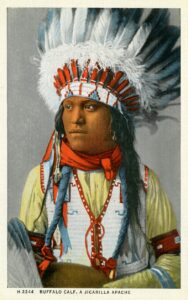
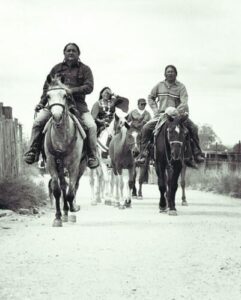
The Jicarilla have been known for their skill as horsemen and were also called Llaneros (Llaneros) for the regions they inhabited.

Their most important festivals are in July and September, when they welcome visitors not only from their community. The festivities are celebrated with dances, meals, rodeos, and other activities that showcase their traditions and enhance their identity. It is said that those who win during the games will be prosperous in the coming year.

The Spanish named them Jicarilla because of their skill in making baskets; However, their creations and crafts also include leather work and jewelry making.

Myth of When They Emerged

In the beginning, he created the mountains, which grew taller and taller. The people who were to climb from below gathered around the mountain, watching everything being created. Then he created the reeds, and they too grew and grew toward the sky. While the people weren’t looking, four girls climbed up and twisted the reeds. Then they climbed down without the others noticing, leaving the reeds like that.
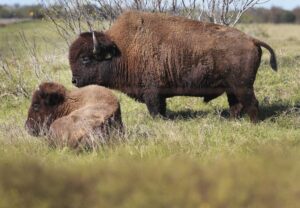
The Texas Lipan Apache community recently welcomed back buffalos to their lands as a part of an effort to reclaim culture and a connection to their ancestors. Buffalos are considered relatives to the Lipan Apache community. These buffalo will complete the first herd in more than 100 years. The Texas Tribal Buffalo Project – lead by founder and Lipan Apache member Lucille Contreras celebrated the return of a herd of buffalos in Waedler, Texas on Monday, Nov. 29, 2021.

The people saw that the reeds were no longer growing and tried to make them grow in vain. So they told someone, “Go on, go up and see what has happened.” That person climbed the mountain and found the reeds twisted, but didn’t see the girls. So he went down and told everyone, “The reeds are crooked.” The people then made four ladders: one black, one blue, one yellow, and one red. While they were doing this, a whirlwind passed by and rose to the upper world and observed everything that was happening. Upon returning, it reported that there was plenty of water there. The person in charge told the beaver to go and see what was there, what the conditions were like in that place above the whirlwind had mentioned. So, the beaver went up to see what was happening in the upper world and found that, although there was plenty of water, it was receding, so the beaver began gathering piles of earth around it to hold it back. The beaver wouldn’t come down because he was working so hard up above to keep the water from leaving.

The person in charge was surprised that it was taking so long and sent the badger to see what was happening, why he wasn’t coming back. The badger went up to find the beaver and found him building dams to hold back the water. The badger asked him why he did that, and the beaver replied: “When the people and children feel like they’re dying of thirst, they’ll find water here and they can drink from it,” the beaver said, explaining to the badger what he was doing. So, the badger went into the mud and left marks so they could find the dam. Then they went down.

Upon returning, they told those below that they could now come up, that the ground had been exposed and they could live there. The people prepared to go up and arranged the ladders so they could ascend. The black ladder was placed in a certain position, and people climbed up it until the ladder could no longer support them. Then others began to climb up the blue ladder, then the yellow one, and almost no one was left at the bottom. Then they put in the red ladder, and the remaining people climbed up it. However, some weak old people were left behind: an old man and an old woman. The people moved on, leaving the old people sitting there. The old people shouted to them, “Take us too,” but although the people stopped to look, they did not take them. So, one of the old people shouted to them, “You will come back to me.”
So, the people went east along four parallel paths, led by four chiefs. Those who took the first path had to fight. Those who took the second path were fortunate and returned without any problems or fights. The people who took the third path had to fight, but at least they made it back. Those who took the fourth path returned without any difficulties. The leadership of the first chief had been unfortunate; that of the second chief, fortunate; that of the third chief, unfortunate; and that of the fourth chief, also fortunate. So, they returned to their own land.

Los “Dine”, “Haisndayin” o “Dinde” que en su lengua significa “Las personas que vinieron desde abajo” o “La gente” o “Los que emergen”, también conocidos como la nación Apache Jicarilla, son uno de los pueblos indígenas de Norte América semi nómada, debido a que practicaban la agricultura de temporal, además de la pesca y caza de ciervos, búfalos y otros animales de la región que conforman los pueblos Apache.

Los pueblos Apache, migraban antiguamente desde Canadá hasta las regiones del norte de México, cruzando montañas, planicies, valles, llanuras, cañones y ríos siguiendo las temporadas del año, así como las migraciones de los animales para la caza.

Los Apache Jicarilla actualmente habitan en Nuevo México y se les han destinado territorios o reservas, siendo la reserva de Dulce donde habita más del 90% de su población. 

La lengua de los Jicarilla forma parte de la familia de lenguas Atabascanas Apache, de las que forman parte también otros pueblos Apache como los: Navajo, Chiricahua, Lipan, Mescalero, Mimbreño, Salinero, Aravaipa, Pinaleño, Coyotero, entre otros grupos más pequeños. Los pueblos Apache son independientes entre sí, es decir, cada uno tienen sus propios gobiernos autónomos y tienen algunas tradiciones no compartidad.

Los Jicarilla han sido conocidos por su destreza como jinetes y se les denominaba también Llaneros por las regiones en que habitaban. 

Sus fiestas más importantes son en Julio y en Septiembre, en las que reciben a visitantes no sólo de su comunidad. Las festividades se celebran con danzas, comidas, rodeos y otro tipo de actividades que muestran su tradición y realzan su identidad. Se dice que quienes ganan durante los juegos, serán quienes tendrán properidad el año entrante.

Los españoles les denominaron Jicarilla por su habilidad en la elaboración de canastillas; no obstante, sus creaciones y artesanías también incluyen el trabajo de pieles y la elaboración de joyería.

Mito de cuando emergieron

En el principio él creó las montañas que crecían y crecían cada vez más altas. La gente que debía subir desde abajo se reunió alrededor de la montaña observando cómo se creaba todo. Después creó los juncos y éstos también crecían y crecían hacia el cielo. En un momento en que las gentes no miraban, cuatro muchachas subieron y retorcieron los juncos, luego bajaron sin que los demás se dieran cuenta y dejaron así los juncos. 

The Texas Lipan Apache community recently welcomed back buffalos to their lands as a part of an effort to reclaim culture and a connection to their ancestors. Buffalos are considered relatives to the Lipan Apache community. These buffalo will complete the first herd in more than 100 years. The Texas Tribal Buffalo Project – lead by founder and Lipan Apache member Lucille Contreras celebrated the return of a herd of buffalos in Waedler, Texas on Monday, Nov. 29, 2021.

La gente vio que los juncos ya no crecían y trataron de hacerlos crecer en vano, así que le dijeron a alguien: “anda, sube a ver qué ha pasado”. Esa persona subió a la montaña y encontró los juncos retorcidos, pero no vio a las muchachas. Así que bajó y les dijo a todos: “los juncos están torcidos”.  Las personas hicieron entonces cuatro escaleras: una negra, una azul, una amarilla y una roja. 

Mientras hacían esto pasó un torbellino que subió al mundo de arriba y miró todo lo que pasaba, al regresar informó que había mucha agua allí. Quien estaba a cargo le dijo al castor que fuera y viera qué había, qué condiciones tenía aquel lugar de arriba del que hablaba el torbellino. Así, el castor subió a ver qué había en el mundo de arriba y encontró que, aunque había mucha agua, ésta retrocedía, así que el castor empezó a juntar pilas de tierra alrededor para retenerla. El castor no bajaba de tanto trabajo que tenía arriba evitando que el agua se fuera.  

Quien estaba a cargo se sorprendió que tardara tanto y mandó al tejón a ver qué pasaba, porqué no volvía. El tejón subió en busca del castor y lo encontró construyendo represas para contener el agua. El tejón le preguntó que porqué hacía eso, así el castor le contestó: “Cuando la gente y los niños sientan que mueren de sed, encontrarán aquí agua y podrán tomar de ella”, dijo el castor explicándole al tejón lo que hacía. Así, el tejón se fue hacía el lodo y dejó marcas para que pudieran encontrar la represa. Luego bajaron. 

Al volver, les dijeron a los de abajo que ya podían subir, que la tierra había quedado expuesta y que ahí podrían habitar. La gente se preparó para subir y acomodaron las escaleras para que pudieran ascender. La escalera negra fue colocada en cierta posición y la gente subió por ahí hasta que la escalera ya no aguantó más. Luego comenzaron a subir otros por la escalera azul, luego por la amarilla y ya casi no quedaba gente abajo. Luego pusieron la escalera roja y por ahí subieron las personas que quedaban. Sin embargo, quedaron atrás unos débiles ancianos: un hombre viejo y una mujer vieja. La gente siguió adelante y dejaron a los ancianos ahí sentados. Los ancianos les gritaron: “llévennos también”, pero, aunque las personas se detuvieron a mirar, no se los llevaron. Así, uno de los ancianos les gritó: “Ya volverán ustedes a mí”. 

Así, las personas se fueron hacia el este por cuatro senderos paralelos entre sí liderados por cuatro jefes. Quienes se fueron por el primer camino tuvieron que pelear. Los que se fueron por el segundo camino fueron afortunados y volvieron sin ningún problema o pelea. Las personas que se fueron por el tercer camino tuvieron que luchar, pero al menos lograron volver. Los que tomaron el cuarto camino volvieron sin ningún tipo de dificultad. El liderazgo del primer jefe había sido desafortunado; el del segundo jefe, afortunado; el del tercer jefe, desafortunado; y el del cuarto jefe, también afortunado. Así, regresaron a su propia tierra.
Tags: North America
Previous Post

Morena Sends Representatives Across US with Stop in Detroit

Next Post

From Latin Boogaloo to Electric Vibes, Latino Music Moves the Crowd at Concert of Colors

Mariana Ayón RV

Mariana Ayón RV

Mexican poet and writer. Interested in hispanic-latinamerican cultures. Settled in Mexico, she is currently studying a Master's Degree in History.

Related Posts

​​Bad Bunny Makes Grammy History With Album of the Year Win
Español

​​Bad Bunny Makes Grammy History With Album of the Year Win

by Juanita Zuniga
February 5, 2026
0

Bad Bunny makes GRAMMY history with first all-Spanish Album of the Year win, leading a landmark night for Latino artists...

Read moreDetails
The Bagley-West Vernor Historic District Is Now Listed in the National Register of Historic Places
Community

The Bagley-West Vernor Historic District Is Now Listed in the National Register of Historic Places

by EL CENTRAL
February 5, 2026
0

Detroit’s Bagley-West Vernor Historic District in Mexicantown earns National Register status, celebrating Latinx heritage, commerce, and community history.

Read moreDetails
MANA de Metro Detroit 2026 Scholarship Applications are Now Open
Community

MANA de Metro Detroit 2026 Scholarship Applications are Now Open

by EL CENTRAL
February 5, 2026
0

MANA de Metro Detroit opens 2026 scholarships for Latina students, offering $2,000 awards to support college, trade, and leadership opportunities.

Read moreDetails
“In the Cold, We Chose to Be Heard”
Community

“In the Cold, We Chose to Be Heard”

by EL CENTRAL
February 5, 2026
0

Detroit Cass Tech student walkout protests ICE enforcement, highlighting immigrant student fears, school safety, and youth activism in Michigan schools.

Read moreDetails
Journalism Camp 2026
Community

Journalism Camp 2026

by EL CENTRAL
February 5, 2026
0

Detroit Writing Room Journalism Camp 2026 trains high school students in reporting, media skills, and public interest journalism at Wayne...

Read moreDetails
The 2025-26 “No Kings” Movement: The Fourth American Revolution
Español

The 2025-26 “No Kings” Movement: The Fourth American Revolution

by Jose Cuello
February 5, 2026
0

Español Abajo Today's "No Kings" Movement is the fourth political revolution in the troubled history of democracy in the United...

Read moreDetails
Next Post
From Latin Boogaloo to Electric Vibes, Latino Music Moves the Crowd at Concert of Colors

From Latin Boogaloo to Electric Vibes, Latino Music Moves the Crowd at Concert of Colors

ADVERTISEMENT
  • Trending
  • Latest
The “Real Fear” Driving People into the Streets

The “Real Fear” Driving People into the Streets

February 5, 2026
“In the Cold, We Chose to Be Heard”

“In the Cold, We Chose to Be Heard”

February 5, 2026
​​Bad Bunny Makes Grammy History With Album of the Year Win

​​Bad Bunny Makes Grammy History With Album of the Year Win

February 5, 2026
The Bagley-West Vernor Historic District Is Now Listed in the National Register of Historic Places

The Bagley-West Vernor Historic District Is Now Listed in the National Register of Historic Places

February 5, 2026
The “Real Fear” Driving People into the Streets

The “Real Fear” Driving People into the Streets

February 5, 2026
Super Bowl XL – 2006 – Detroit – Unforgettable after 20 Years

Super Bowl XL – 2006 – Detroit – Unforgettable after 20 Years

February 5, 2026
​​Bad Bunny Makes Grammy History With Album of the Year Win

​​Bad Bunny Makes Grammy History With Album of the Year Win

February 5, 2026
The Bagley-West Vernor Historic District Is Now Listed in the National Register of Historic Places

The Bagley-West Vernor Historic District Is Now Listed in the National Register of Historic Places

February 5, 2026

Recent News

Super Bowl XL – 2006 – Detroit – Unforgettable after 20 Years

Super Bowl XL – 2006 – Detroit – Unforgettable after 20 Years

February 5, 2026
Early Signs of Spring

Early Signs of Spring

February 5, 2026
The 2025-26 “No Kings” Movement: The Fourth American Revolution

The 2025-26 “No Kings” Movement: The Fourth American Revolution

February 5, 2026
Chile and its textil art

Chile and its textil art

February 5, 2026
EL CENTRAL Hispanic News

Michigans #1. Oldest. Largest & Only
Bilingual Hispanic News for 33 Years.

Follow Us

Browse by Category

  • Business
  • Classifieds
  • Community
  • Culture & Arts
  • Education
  • Entrepreneurs
  • Español
  • Events
  • Featured
  • Finance
  • Food
  • Latest News
  • Local News
  • Local Small Business
  • Music
  • National News
  • Opinion
  • Others
  • People
  • Politics
  • Resources
  • Restaurants
  • Sports
  • Throwbacks
  • World
  • World Cultures

Recent News

The “Real Fear” Driving People into the Streets

The “Real Fear” Driving People into the Streets

February 5, 2026
Super Bowl XL – 2006 – Detroit – Unforgettable after 20 Years

Super Bowl XL – 2006 – Detroit – Unforgettable after 20 Years

February 5, 2026
  • Latest Issue
  • About
  • Newsletter
  • Advertise
  • Contact
  • Menu Item
  • Created with EyeBreatheDesign

© 2025 EL CENTRAL HISPANIC NEWS

No Result
View All Result
  • Home
  • Sections
    • Featured
    • Local News
    • Community
    • Culture & Arts
    • Español
    • Music
    • Sports
  • Events
  • Latest Issue
  • Past Issues
  • Contact
  • Advertise

© 2025 EL CENTRAL HISPANIC NEWS