



ADVERTISEMENT
82.78 °f
Detroit
EL CENTRAL Hispanic News
  • Home
  • About
    • Resources
  • Community
    Motorized tricycle taxis carrying passengers pass each other on a wide Havana street lined with weathered colonial-style buildings.

    Cubans Raise Their Voices Amidst the Darkness of Sanctions

    Frank Venegas and Ideal Steel Employee Francisco Orozco

    For 30 years, Frank Venegas Jr. has demonstrated that business success and community investment can grow together

    Assembly for Hope Ratifies Statewide Policy Platform to Support Immigrants

    Houston Welcomes the World 

    Detroit Health Department Releases Community Health Roadmap Informed by 6,000+ Detroiters 

    “With Heavy Hearts”: Venezuelans Living in Michigan React to the Earthquakes That Devastated Their Homeland

    Detroit Hometown Summit Offers Vision For Affordable Housing

    Mayor Sheffield Releases Rise Higher Community Survey Data and Resident-Driven Framework for Detroit’s Future

    Wayne County Treasurer Urges Homeowners with Delinquent Property Taxes to Enroll in Interest Reduction Payment Agreement Plan by June 30, 2026

  • Featured
    Emergency responder wearing a helmet and backpack walking across a large field of debris and rubble.

    Ann Arbor Asylum-seeker Deported Hours Before Venezuela Earthquakes Dies in Building Collapse

    Two women unveiling a green Michigan Historic Site marker reading "Dra. Lucile Gajec" by pulling away a red, green, and blue striped serape, with a young boy watching beside them.

    A Museum, A Memory, A Marker: Honoring Dr. Gajec’s Lifelong Mission

    Wide view of a crowd watching a band perform on an outdoor stage under a banner reading "We Tell These Truths: All Humans Are Created Equal," trees and buildings in the background.

    The Concert of Colors Neighborhood Series Presents “We Tell These Truths: All Humans Are Created Equal”

    “With Heavy Hearts”: Venezuelans Living in Michigan React to the Earthquakes That Devastated Their Homeland

    Medicina Scarlett Expands Bilingual Healthcare in Southwest Detroit with Help from Motor City Match

    Panelists speak during the State of Construction 2026 forum at The Edit in Detroit on Thursday, June 11, 2026. Co-hosted by READ and DFO313, the discussion provided developers, contractors, and industry professionals with practical insights on navigating today's construction market. (Photo by Brayan Gutierrez)

    Detroit’s Veteran Builders Pass Down Lessons That Cost Them

    USA and Mexico Advance in Thrilling World Cup Play 

    Oficialmente en marcha el proyecto de restauración de la Basílica de Santa Ana tras recibir la bendición

    E&L Supermercado reopening

  • Opinion
  • Culture & Arts
    • All
    • World Cultures

     United States of America

    French Guiana

    Qoyllur Rit’i: The Snow Star pilgrimage in the Peruvian Andes

    Guyana

    Why This Year’s Concert of Colors Is Different, Yet the Same

    Haiti

    Sacatepéquez, Guatemala

    Julianna Sanromán Wins Second Place in Art Exhibit

    From Metal to Monarchs: Detroit Sculptor Juan Martinez Creates Art Meant to Be Experienced

    • World Cultures
  • Latest Issue
  • Past Issues
    • Throwbacks
  • Events
  • Newsletter
  • Contact
    • Advertise
  • en English
    • en English
    • es Spanish
No Result
View All Result
EL CENTRAL Hispanic News
  • Home
  • About
    • Resources
  • Community
    Motorized tricycle taxis carrying passengers pass each other on a wide Havana street lined with weathered colonial-style buildings.

    Cubans Raise Their Voices Amidst the Darkness of Sanctions

    Frank Venegas and Ideal Steel Employee Francisco Orozco

    For 30 years, Frank Venegas Jr. has demonstrated that business success and community investment can grow together

    Assembly for Hope Ratifies Statewide Policy Platform to Support Immigrants

    Houston Welcomes the World 

    Detroit Health Department Releases Community Health Roadmap Informed by 6,000+ Detroiters 

    “With Heavy Hearts”: Venezuelans Living in Michigan React to the Earthquakes That Devastated Their Homeland

    Detroit Hometown Summit Offers Vision For Affordable Housing

    Mayor Sheffield Releases Rise Higher Community Survey Data and Resident-Driven Framework for Detroit’s Future

    Wayne County Treasurer Urges Homeowners with Delinquent Property Taxes to Enroll in Interest Reduction Payment Agreement Plan by June 30, 2026

  • Featured
    Emergency responder wearing a helmet and backpack walking across a large field of debris and rubble.

    Ann Arbor Asylum-seeker Deported Hours Before Venezuela Earthquakes Dies in Building Collapse

    Two women unveiling a green Michigan Historic Site marker reading "Dra. Lucile Gajec" by pulling away a red, green, and blue striped serape, with a young boy watching beside them.

    A Museum, A Memory, A Marker: Honoring Dr. Gajec’s Lifelong Mission

    Wide view of a crowd watching a band perform on an outdoor stage under a banner reading "We Tell These Truths: All Humans Are Created Equal," trees and buildings in the background.

    The Concert of Colors Neighborhood Series Presents “We Tell These Truths: All Humans Are Created Equal”

    “With Heavy Hearts”: Venezuelans Living in Michigan React to the Earthquakes That Devastated Their Homeland

    Medicina Scarlett Expands Bilingual Healthcare in Southwest Detroit with Help from Motor City Match

    Panelists speak during the State of Construction 2026 forum at The Edit in Detroit on Thursday, June 11, 2026. Co-hosted by READ and DFO313, the discussion provided developers, contractors, and industry professionals with practical insights on navigating today's construction market. (Photo by Brayan Gutierrez)

    Detroit’s Veteran Builders Pass Down Lessons That Cost Them

    USA and Mexico Advance in Thrilling World Cup Play 

    Oficialmente en marcha el proyecto de restauración de la Basílica de Santa Ana tras recibir la bendición

    E&L Supermercado reopening

  • Opinion
  • Culture & Arts
    • All
    • World Cultures

     United States of America

    French Guiana

    Qoyllur Rit’i: The Snow Star pilgrimage in the Peruvian Andes

    Guyana

    Why This Year’s Concert of Colors Is Different, Yet the Same

    Haiti

    Sacatepéquez, Guatemala

    Julianna Sanromán Wins Second Place in Art Exhibit

    From Metal to Monarchs: Detroit Sculptor Juan Martinez Creates Art Meant to Be Experienced

    • World Cultures
  • Latest Issue
  • Past Issues
    • Throwbacks
  • Events
  • Newsletter
  • Contact
    • Advertise
  • en English
    • en English
    • es Spanish
No Result
View All Result
EL CENTRAL Hispanic News
No Result
View All Result

Paraguay

Mariana Ayón RV by Mariana Ayón RV
June 26, 2025
in Español, World Cultures
Home Español
ShareShareTweetEmail to a friend
Español Abajo

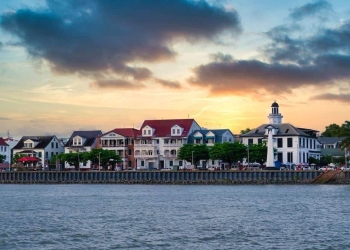
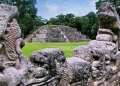
Paraguay is one of the central South American countries, located between Bolivia and the two giants: Brazil and Argentina. It is a landlocked country, however, with ports on the Paraná River and the Paraguay River, which crosses the country from north to south, dividing it between east and west. The Iguazu Falls form part of the border between Brazil, Argentina, and Paraguay. It boasts large expanses of swamps, subtropical forests, and Chaco, natural expanses that encompass savannas and scrublands.

Human presence in Paraguay dates back to the Neolithic period, around 3,200 BC. During the pre-Columbian period, it was inhabited by indigenous peoples of the Tupi-Guarani and Mataco-Guaicurú groups. The arrival of the Spanish marked the beginning of Hispanic rule over this territory until the 19th century, when Paraguay achieved its independence in 1811, the third in Latin America to do so. The Paraguayan Constitution declares it a multicultural and bilingual country and establishes Spanish and Guaraní as its official languages. The latter is spoken by 87% of its inhabitants, and its oral and written use is regulated by the Guaraní Language Academy.
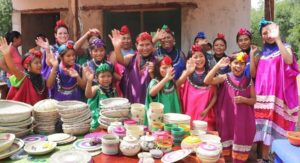
Guarani Myth About Of The Origin Of Earth

ADVERTISEMENT

At the beginning of time, the Creator God, Ñamandu, was alone, having slowly created himself. There were no trees, no mountains, no people, nothing. In his solitude, Ñamandu began to create.

First, the language of men, words.

And then he wanted someone else to be able to speak, and he created other gods, four pairs of gods who in turn would have children who were also gods.

Then, he made the tip of the staff he always carried in his hand grow thicker and thicker. From there, little by little, the Earth emerged. So that the Earth wouldn’t move, he created a palm tree. It was a palm tree that would last forever and was right in the middle of the Earth.

Then he created four more at each of the cardinal points. And so, with those five palm trees that would live forever, without ever drying up, the Earth remained firmly planted.

He supported the sky on four columns, four wooden poles identical to his staff.

It was then that he made the first animals and the first plants.

One of the first to fly was the hummingbird; the viper was the first to crawl. The first to sing was the grasshopper.

He had made the Earth completely covered in a lush jungle, so that there would be treeless fields, he created the locust. It went everywhere, sticking its tail in some places, where grass grew and the trees disappeared, and thus the plains were formed.
When they were ready, the partridge arrived and, singing happily, stayed there to live.

Then he invented the armadillo, which immediately began to dig the earth. The owl became the mistress of the darkness; that’s why it comes out only at night and sleeps during the day.

Then many other animals came, and also the first men and women. Then, Ñamandu returned to the sky and left the other gods in charge of taking good care of everything.

Time passed; Some people had become very good, but others had become very bad: not everything was going well, so the gods decided it was best to make amends. But to avoid leaving things half-done, they produced a flood: the entire Earth was inundated. The good people were able to ascend to heaven with Ñamandu, but the bad ones were transformed into animals: frogs, fish, and other creatures.

Later, Ñamandu asked another of the gods, named Jakaira, to be in charge of rebuilding the earth, and he, in turn, delegated the task to his son, Pa-pa Mirí. Pa-pa Mirí worked hard. He made new plants, new animals; he kneaded the new earth and filled it with trees and grass. He made rivers and streams. But it seems that before he finished, his mother called him, and Pa-pa Mirí abandoned his work. And the Guaraní say that this is why there are mountains that are nothing more than piles of earth and stones left over from the God and that are of no use to the people.

Paraguayan Soup

Ingredients:

  • 3 large onions
  • 3 cups water
  • 1 tablespoon coarse salt
  • 3/4 cup cold pork fat
  • 4 eggs
  • 350 grams fresh cheese
  • 650 grams corn flour
  • 1 cup curdled or natural milk
  • 1 heaping tablespoon cream (optional)

Preparation:

  1. Finely chop the onion. Boil it with the water and salt for 10 minutes in a covered saucepan. Let it cool.
  2. Whisk the fat. Add the eggs one by one, continuing to whisk. Add the crumbled cheese. Add the onion with the water in which it was boiled and gradually add the corn flour, alternating with the milk and cream. Mix gently. Pour into a large, greased and floured baking dish.
  3. Bake in a hot oven (200°C) for approximately 1 hour.
  4. Serve in small portions and place on the table.

Paraguay

Paraguay es uno de los países en el centro de Suramérica que se encuentra entre Bolivia y los dos gigantes: Brasil y Argentina. Es un país sin colindancia al océano, no obstante, cuenta con puertos sobre el río Paraná y el río Paraguay que cruza de norte a sur dividiendo el país entre oriente y occidente. Las cataratas de Iguazú forman parte de los linderos entre Brasil, Argentina y Paraguay. Cuenta con grandes extensiones de pantanos, bosques subtropicales y chaco, extensiones de naturaleza que abarcan sabanas y matorrales.

La presencia humana en Paraguay se remonta hacia el Neolítico, que data de unos 3200 años antes de Cristo. Durante el período precolombino estuvo habitado por pueblos indígenas de los grupos tupí-guaraní y mataco-guaicurú. La llegada de los españoles marcó el inicio del dominio hispánico de este territorio hasta el siglo XIX, cvuando en 1811 Paraguay consiguió su independencia, siendo el tercero de América Latina en lograrlo.

La Constitución paraguaya lo declara como un país multicultural y bilingüe, y establece como idiomas oficiales el español y guaraní. Esta última es hablada en el país por el 87 % de sus habitantes y su uso oral y escrito está regulado por la Academia de la Lengua Guaraní.

Mito Guaraní sobre el origen de la tierra

En el principio de los tiempos estaba solo el Dios Creador, Ñamandu, que de a poco se había creado a sí mismo. No había ni árboles ni montañas, ni gente, nada. En su soledad, Ñamandu empezó a crear. 

Primero el lenguaje de los hombres, las palabras.

Y entonces quiso que alguien más pudiera hablar y creó a otros dioses, cuatro parejas de dioses que a su vez iban a tener hijos también dioses.

Después, hizo que la punta del bastón que siempre llevaba en la mano empezara a engordar, más y más. De allí salió la Tierra, de a poquito. Para que la Tierra no se moviera, creó una palmera. Era una palmera que iba a durar para siempre y estaba justo en el medio de la Tierra. 

Después creó otras cuatro en cada uno de los puntos cardinales. Y así, con esas cinco palmeras que iban a vivir siempre, sin secarse nunca, la Tierra quedó bien firme.

Al cielo lo dejó apoyado sobre cuatro columnas, cuatro postes de madera iguales a su bastón. 

Fue entonces cuando hizo los primeros animales y las primeras plantas.

Uno de los primeros que voló por ahí fue el colibrí; la víbora fue la primera que se arrastró. La primera en cantar fue la cigarra.

Había hecho la Tierra toda cubierta de una selva frondosa, para que hubiera campos sin árboles creó la langosta, ella iba por todos lados, en algunos clavaba la cola en el suelo y allí crecía el pasto y desaparecían los árboles, así se formaron las llanuras. 

Cuando estuvieron listas, llegó la perdiz, que cantando contenta se quedó a vivir ahí.

Después inventó el tatú, que se puso enseguida a escarbar la tierra. La lechuza quedó como dueña de la oscuridad; por eso, sale nada más que de noche y duerme de día. 

Después vinieron otros muchos animales y también los primeros hombres y mujeres. Entonces, Ñamandu se volvió al cielo y les dejó encargado a los otros dioses que cuidaran bien de todo.

Pasó el tiempo; algunas personas se habían vuelto muy buenas, pero otras se habían vuelto muy malas: no todo andaba bien, así que los dioses decidieron que era mejor hacer arreglos. Pero para no dejar las cosas a medias, produjeron un diluvio: toda la Tierra se inundó. La gente buena pudo subir al cielo con Ñamandu pero los que eran malos se transformaron en animales: ranas, peces y otros bichos.

Después, Ñamandu le pidió a otro de los dioses, que se llamaba Jakaira, que se encargara de hacer de nuevo la tierra, éste a su vez delegó la tarea en su hijo Pa-pa Mirí. Pa-pa Mirí trabajó mucho. Hizo nuevas plantas, nuevos animales; fue amasando la tierra nueva y llenándola de árboles y pasto. Hizo ríos y arroyos. Pero parece que antes de que terminar lo llamó la madre, y Pa-pa Mirí abandonó su obra. Y dicen los Guaraníes que por eso hay montañas que no son sino montones de tierra y piedras que le sobraron al Dios y que a la gente no le sirven de nada.

Receta Sopa Paraguaya

Ingredientes para 12 personas:

  • 3 cebollas grandes
  • 3 tazas de agua
  • 1 cucharada de sal gruesa
  • 3/4 taza de grasa de cerdo (fría)
  • 4 huevos
  • 350 grs. de queso fresco
  • 650 grs. de harina de maíz
  • 1 taza de leche cuajada o natural
  • 1 cucharada colmada de nata de leche (optativo)

Preparación:

  1. Cortar finamente la cebolla. Hacerla hervir con el agua y sal durante 10 minutos, en cacerola tapada. Dejar enfriar.
  2. Batir la grasa. Agregar uno a uno los huevos, continuando el batido. Agregar el queso desmenuzado. Incorporar la cebolla con el agua en la cual se hirvió y poco a poco la harina de maíz, alternando con la leche y nata. Mezclar con suavidad. Verter sobre una asadera grande engrasada y enharinada.
  3. Cocinar en horno caliente (200°) durante 1 hora, más o menos.
  4. Servir en pequeñas porciones y poner en la mesa.
Tags: ParaguaySouth America
Previous Post

Joven de Detroit detenido por ICE ha sido deportado a Colombia

Next Post

Michigan Legislative Latino Caucus Honors Legislative Latino Advocacy Day

Mariana Ayón RV

Mariana Ayón RV

Mexican poet and writer. Interested in hispanic-latinamerican cultures. Settled in Mexico, she is currently studying a Master's Degree in History.

Related Posts

Education

The Morning After Graduation: What do 1,000 graduates mean for the future of Southwest Detroit?  

by EL CENTRAL
July 5, 2026
0

Southwest Detroit graduates are shaping the future of the community. Discover why graduation is only the beginning and what comes...

Read moreDetails
Emergency responder wearing a helmet and backpack walking across a large field of debris and rubble.
Español

Ann Arbor Asylum-seeker Deported Hours Before Venezuela Earthquakes Dies in Building Collapse

by Erick Díaz Veliz
July 5, 2026
0

A Michigan family's American dream ended in heartbreak after deportation and disaster in Venezuela

Read moreDetails
Two women unveiling a green Michigan Historic Site marker reading "Dra. Lucile Gajec" by pulling away a red, green, and blue striped serape, with a young boy watching beside them.
Español

A Museum, A Memory, A Marker: Honoring Dr. Gajec’s Lifelong Mission

by EL CENTRAL
July 2, 2026
0

Lucile Gajec historical marker honors the Southwest Detroit historian who preserved Latino heritage for generations

Read moreDetails
Wide view of a crowd watching a band perform on an outdoor stage under a banner reading "We Tell These Truths: All Humans Are Created Equal," trees and buildings in the background.
Español

The Concert of Colors Neighborhood Series Presents “We Tell These Truths: All Humans Are Created Equal”

by EL CENTRAL
July 2, 2026
0

Concert of Colors Detroit united Southwest Detroit with La Santa Cecilia, local artists and a celebration of culture

Read moreDetails
Español

 United States of America

by Mariana Ayón RV
July 2, 2026
0

Southwest Detroit graduates are shaping the community's future. Discover why graduation is only the beginning and what comes next

Read moreDetails
Education

¿Se está perdiendo el español en Estados Unidos?

by EL CENTRAL
June 30, 2026
0

Español en Estados Unidos se debilita entre generaciones latinas mientras crece el inglés. ¿Se está perdiendo el idioma?

Read moreDetails
Next Post

Michigan Legislative Latino Caucus Honors Legislative Latino Advocacy Day

ADVERTISEMENT
  • Trending
  • Comments
  • Latest

Volunteers Needed for Refugee Resettlement in Michigan

February 14, 2024

Why We Celebrate “CINCO DE MAYO, THE 5TH OF MAY”

May 2, 2024
Steve Nagi Vanessa and Joanna Velazquez

Infamous Highwaymen Motorcycle Club Leader Pursues a Second Chance at Life

February 1, 2024

MSHDA Opens $60 Million MI Neighborhood Applications

April 4, 2024

Community and RuboFest 2022 

0

“Vemos a México como un socio igualitario”

0

Ford Hispanic and Latino Network Beautifies Clark Park

0

Editorial Opinion “The Fifth, I take the Fifth”

0
Motorized tricycle taxis carrying passengers pass each other on a wide Havana street lined with weathered colonial-style buildings.

Cubans Raise Their Voices Amidst the Darkness of Sanctions

July 7, 2026

Southwest Detroit Business Association Honors Community Investment Leaders 

July 7, 2026
Frank Venegas and Ideal Steel Employee Francisco Orozco

For 30 years, Frank Venegas Jr. has demonstrated that business success and community investment can grow together

July 7, 2026

Assembly for Hope Ratifies Statewide Policy Platform to Support Immigrants

July 5, 2026
ADVERTISEMENT
Motorized tricycle taxis carrying passengers pass each other on a wide Havana street lined with weathered colonial-style buildings.

Cubans Raise Their Voices Amidst the Darkness of Sanctions

July 7, 2026

Southwest Detroit Business Association Honors Community Investment Leaders 

July 7, 2026
Frank Venegas and Ideal Steel Employee Francisco Orozco

For 30 years, Frank Venegas Jr. has demonstrated that business success and community investment can grow together

July 7, 2026

Assembly for Hope Ratifies Statewide Policy Platform to Support Immigrants

July 5, 2026

The Morning After Graduation: What do 1,000 graduates mean for the future of Southwest Detroit?  

July 5, 2026

Born in the U.S.A. : The Supreme Court did the right thing, but four are dangerously off their rockers

July 5, 2026
ADVERTISEMENT
ADVERTISEMENT
EL CENTRAL Hispanic News

Michigans #1. Oldest. Largest & Only
Bilingual Hispanic News for 33 Years.

Follow Us

Browse by Category

  • Business
  • Classifieds
  • Community
  • Culture & Arts
  • Education
  • Entrepreneurs
  • Español
  • Events
  • Featured
  • Finance
  • Food
  • Latest News
  • Local News
  • Local Small Business
  • Music
  • National News
  • Opinion
  • Others
  • People
  • Politics
  • Resources
  • Restaurants
  • Sports
  • Throwbacks
  • World
  • World Cultures

Recent News

Motorized tricycle taxis carrying passengers pass each other on a wide Havana street lined with weathered colonial-style buildings.

Cubans Raise Their Voices Amidst the Darkness of Sanctions

July 7, 2026

Southwest Detroit Business Association Honors Community Investment Leaders 

July 7, 2026
  • Latest Issue
  • Newsletter
  • Advertise
  • About
  • Contact
  • Privacy Policy
  • Terms
  • MHCC Member
  • Created with EyeBreatheDesign

© 2026 EL CENTRAL HISPANIC NEWS

No Result
View All Result
  • Home
  • Sections
    • Featured
    • Local News
    • Community
    • Culture & Arts
    • Español
    • Music
    • Sports
  • Events
  • Latest Issue
  • Past Issues
  • Contact
  • Advertise
  • Privacy & Cookie Policy
  • Terms of Service

© 2026 EL CENTRAL HISPANIC NEWS